



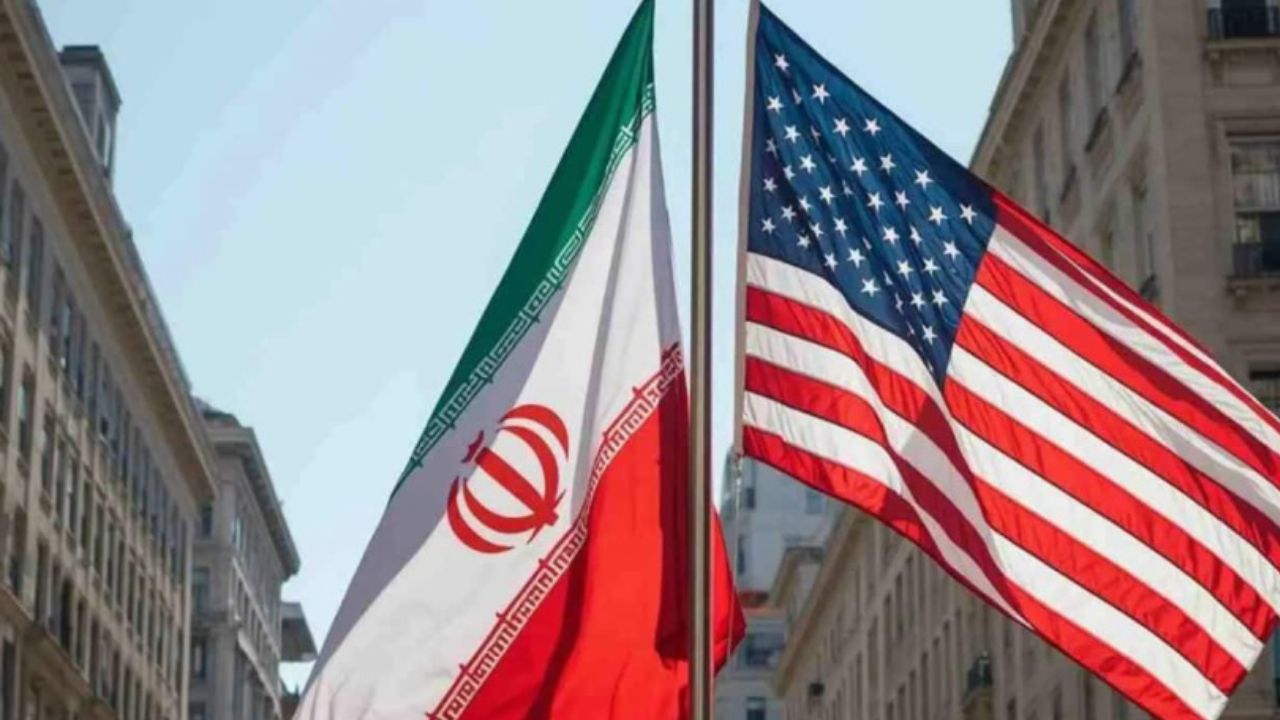
Iran is preparing to adopt a “fully offensive” military posture after efforts to negotiate a permanent end to its war with the United States stalled, a senior Iranian official told Reuters on Monday.
Washington, meanwhile, ruled out extending a temporary ceasefire agreement, reports Reuters.
Diplomatic efforts towards peace talks and the resumption of oil tanker traffic through the strategic Strait of Hormuz have also stalled, raising fears that the conflict, which began with US and Israeli attacks on Iran on 28 February, could continue.
“Iranian entities must be prepared to escalate tensions in the Strait of Hormuz and wider region, as Iran will be ready to make decisions and take action on difficult decisions,” the Iranian official said.
He added that Tehran would carry out a “timely and precise” military attack to break the US naval blockade if diplomacy failed.
A memorandum of understanding (MoU) signed on 17 June gave Iran and the US 60 days to reach a broader agreement covering Tehran’s nuclear programme and US sanctions. The deadline expired on Monday.
The agreement called for the “immediate and permanent termination of military operations on all fronts”, but it quickly unravelled over a dispute concerning control of the Strait of Hormuz, a key waterway through which one-fifth of global oil and liquefied natural gas flowed before the war.
Asked by reporters on Monday whether Washington was seeking to extend the interim agreement reached in June, US President Donald Trump said no.
Back channel to IRGC
A possible diplomatic opening emerged as media reports said Trump had initiated back-channel discussions with Iran’s Islamic Revolutionary Guard Corps (IRGC), which has gained greater influence during the war and controls significant parts of the country’s armed forces and economy.
Axios, citing two sources familiar with the matter, reported that former Director of National Intelligence Tulsi Gabbard spoke with an Iraqi Kurdish leader who has close links to the IRGC.
Through the intermediary, the US reportedly delivered a message to IRGC commander General Ahmad Vahidi.
Fox News later reported that Trump confirmed the contact in a telephone interview.
According to Axios, the Trump administration was concerned about whether Iranian negotiators involved in talks actually represented the IRGC, particularly as Reuters reported that Vahidi had emerged as a pivotal figure. Axios said Vahidi responded that he was aligned with the Iranian negotiating team.
“I can’t go into the details of it, but I will say that the conversations between the US government and different areas of the Iranian government at all areas is probably more robust than it’s maybe ever been,” Jared Kushner,
Trump’s son-in-law and special envoy, said in a separate interview with Fox News Channel’s Chief Foreign Correspondent Trey Yingst on Monday.


