





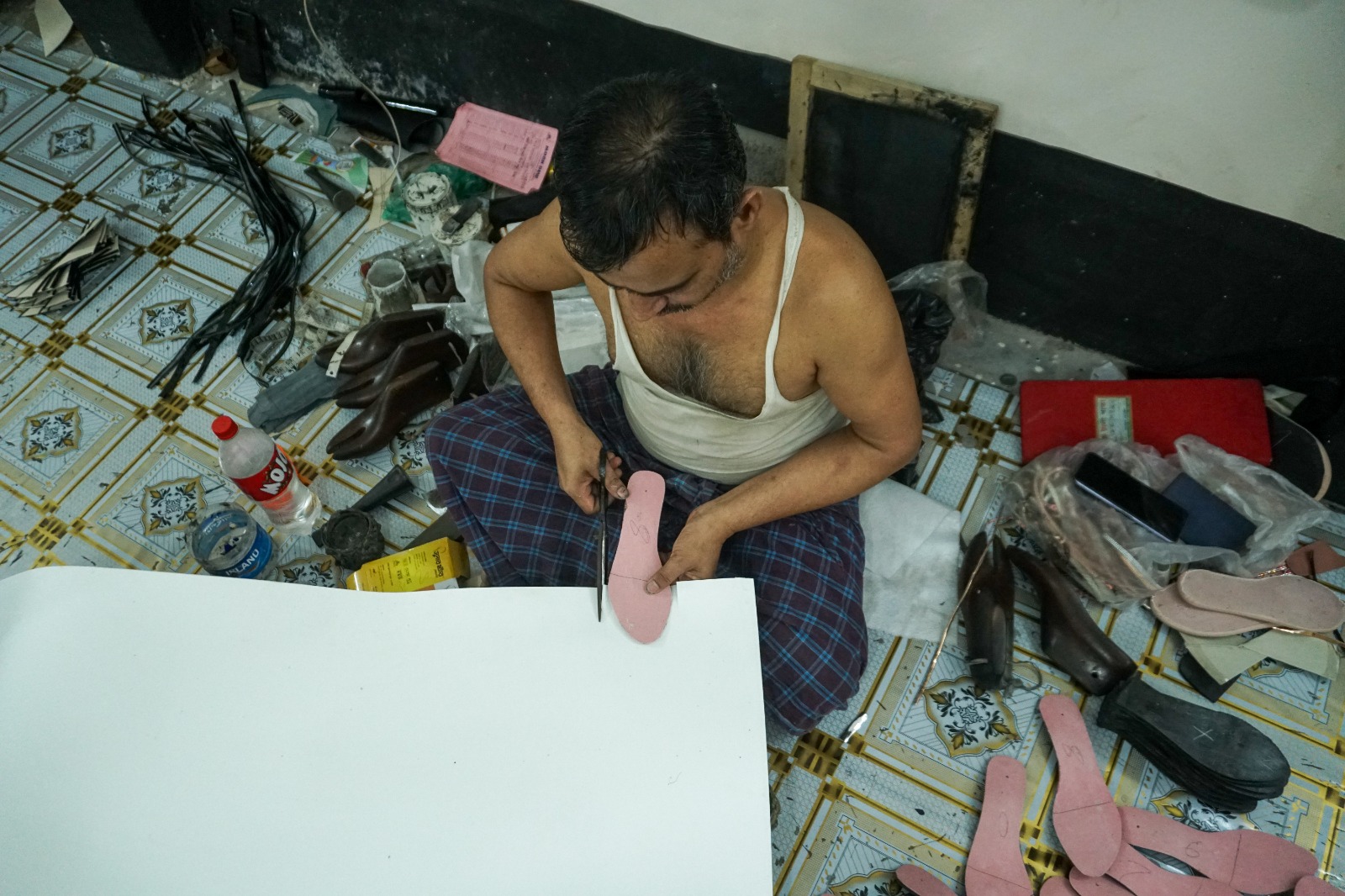
Inside the narrow lanes of Dhaka’s Bihari Camp at Mirpur 11, time moves to the rhythm of human hands. The steady hum of grinding wheels, the soft pull of thread through fabric, and the careful shaping of shoe soles form a quiet symphony of survival.
In cramped rooms with peeling walls and dim light, artisans continue to work with patience and precision, holding on to skills passed down through generations. Their craft speaks of resilience, yet their lives remain largely unseen beyond the camp’s boundaries.
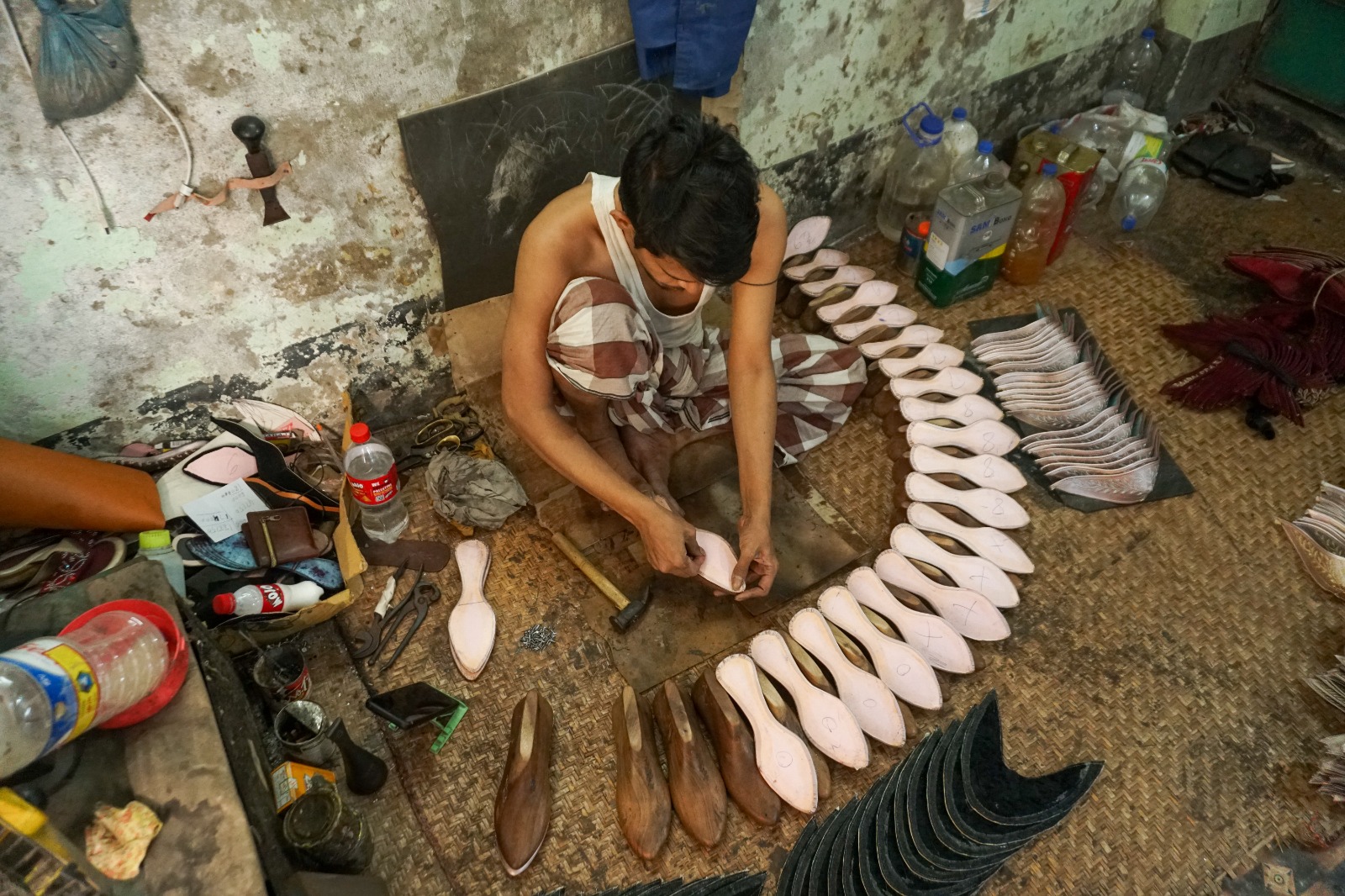
Mohammed Wasim sits, bent over his workbench, guiding delicate threads into intricate patterns, just as he has since 1987. His designs once travelled far, reaching buyers in Dubai, Pakistan and other parts of the Middle East.
Abroad, his craftsmanship earned admiration and value, but at home, recognition remained scarce. For Wasim, the contrast is painful. “Outside, they see the value, but here, our hands are invisible,” he said.
A few lanes away, Alamgir works tirelessly at his loom, weaving Benarasi sarees with the same dedication he learned as a young boy. There was a time when apprentices gathered around him, eager to learn the delicate art of Benarasi weaving.
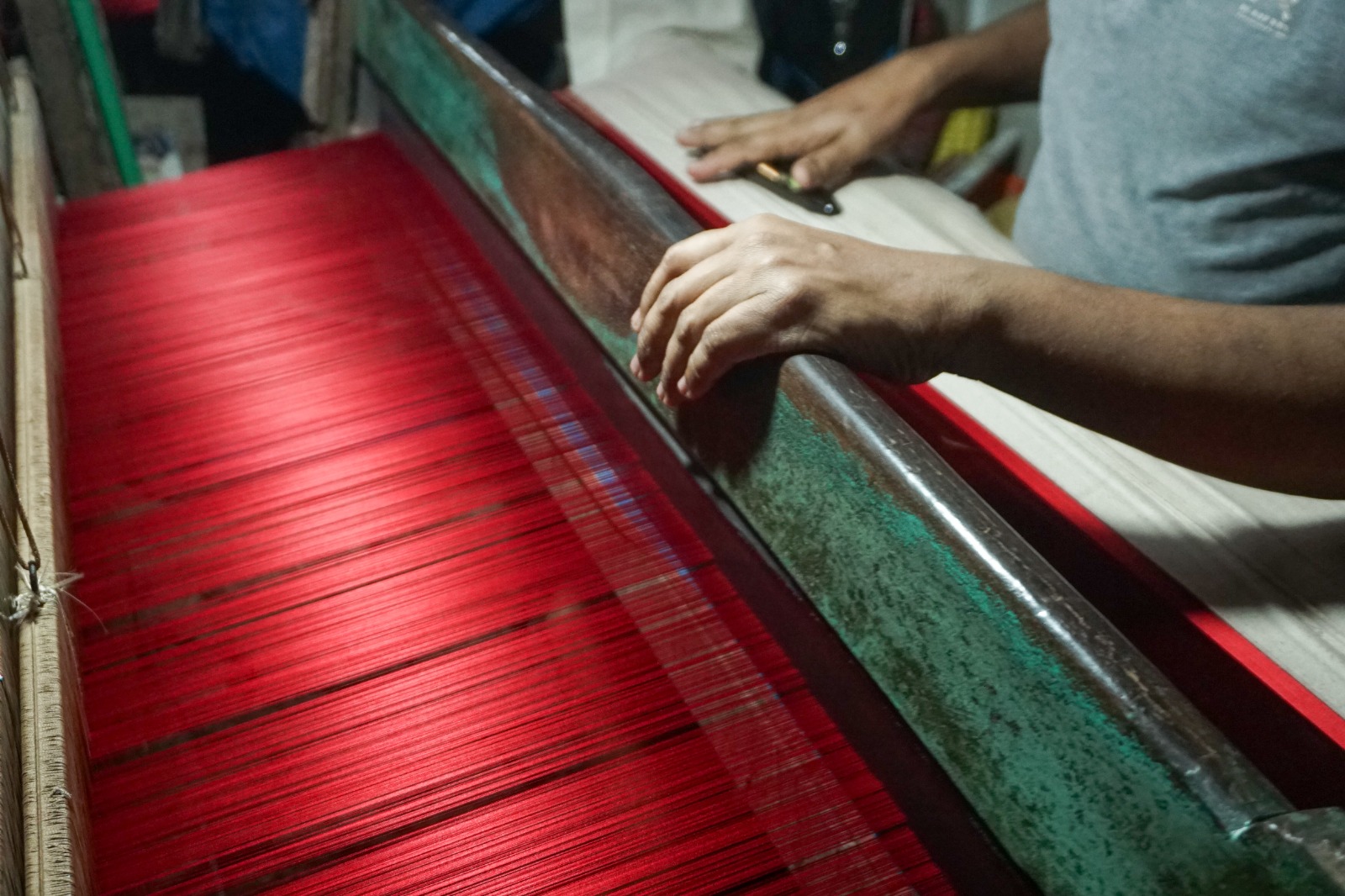
Today, the demand has dwindled, and the respect once afforded to his skill has faded. With no formal education or alternative training, Alamgir feels bound to his loom. “This is all I know, but the world no longer values it,” he painfully noted.
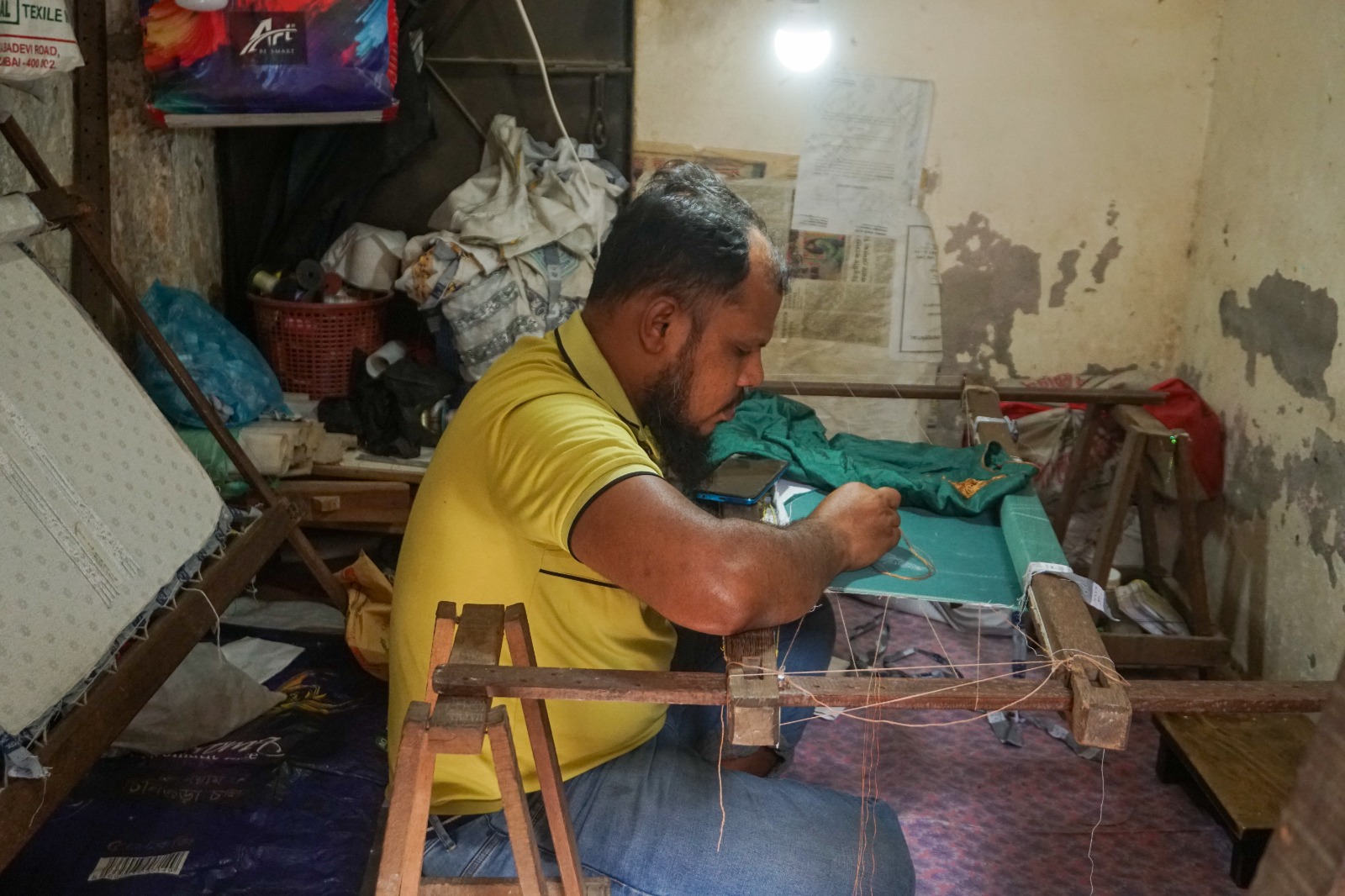
Mohammad Mostak’s small workspace tells a similar story. For sixteen years, he has designed Punjabis and crafted pagris, carefully stitching each piece with unwavering focus.
His days are long, his earnings uncertain, and his recognition minimal. Still, he continues, driven by the quiet hope that his work will find value somewhere beyond these crowded walls.

The artisans of Bihari Camp carry skills that once connected Bangladesh to international markets and cultural heritage.
Yet their contribution remains largely overlooked, their living conditions unchanged. Their hands continue to shape fabric, leather and thread into beauty, even as society looks away.
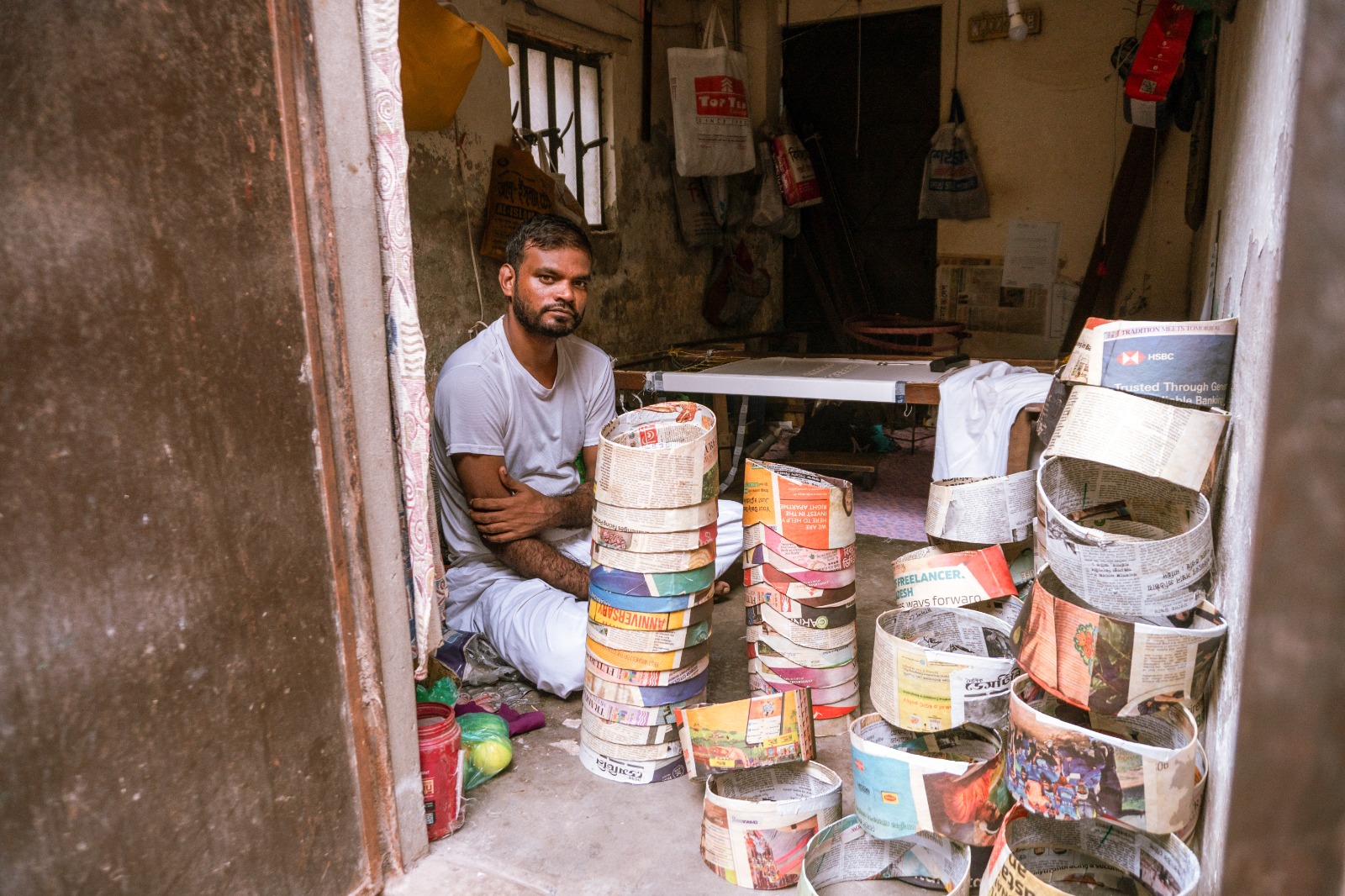
In the fading light of their workshops, these craftsmen keep working, preserving traditions that refuse to die, waiting for a future that finally sees them.


