
The war in Myanmar has once again forced the Rohingya to flee. Over the past year, an estimated 100,000 people have escaped the burning villages and heavy gunfire in Rakhine State. Entire families walked for days through forests, crossing the Naf River at night, only to discover that the refuge they sought in Bangladesh was no longer available.
The vast camps in Cox’s Bazar – already sheltering nearly a million Rohingya – are so overcrowded that thousands of new arrivals have been denied entry. Instead, many have ended up in makeshift settlements on the hills of Ukhiya, where some locals have turned their desperation into profit.
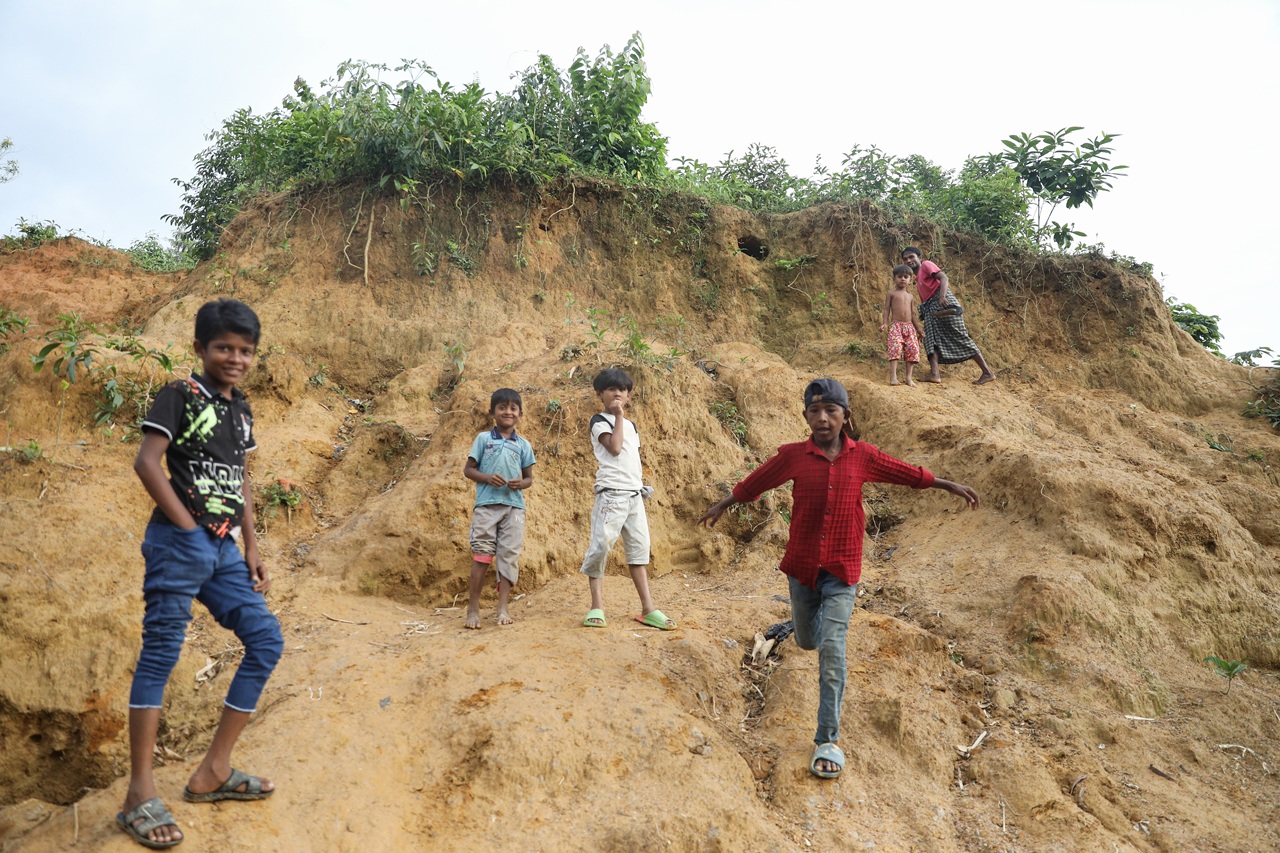
Rows of bamboo shacks now cling to deforested slopes, their roofs patched with plastic sheets, the ground eroding with each rainfall. To occupy one of these huts, Rohingya families must pay Tk 3,000 a month (about $27) to local brokers who have claimed the hillsides and rent them out as if they were real estate.

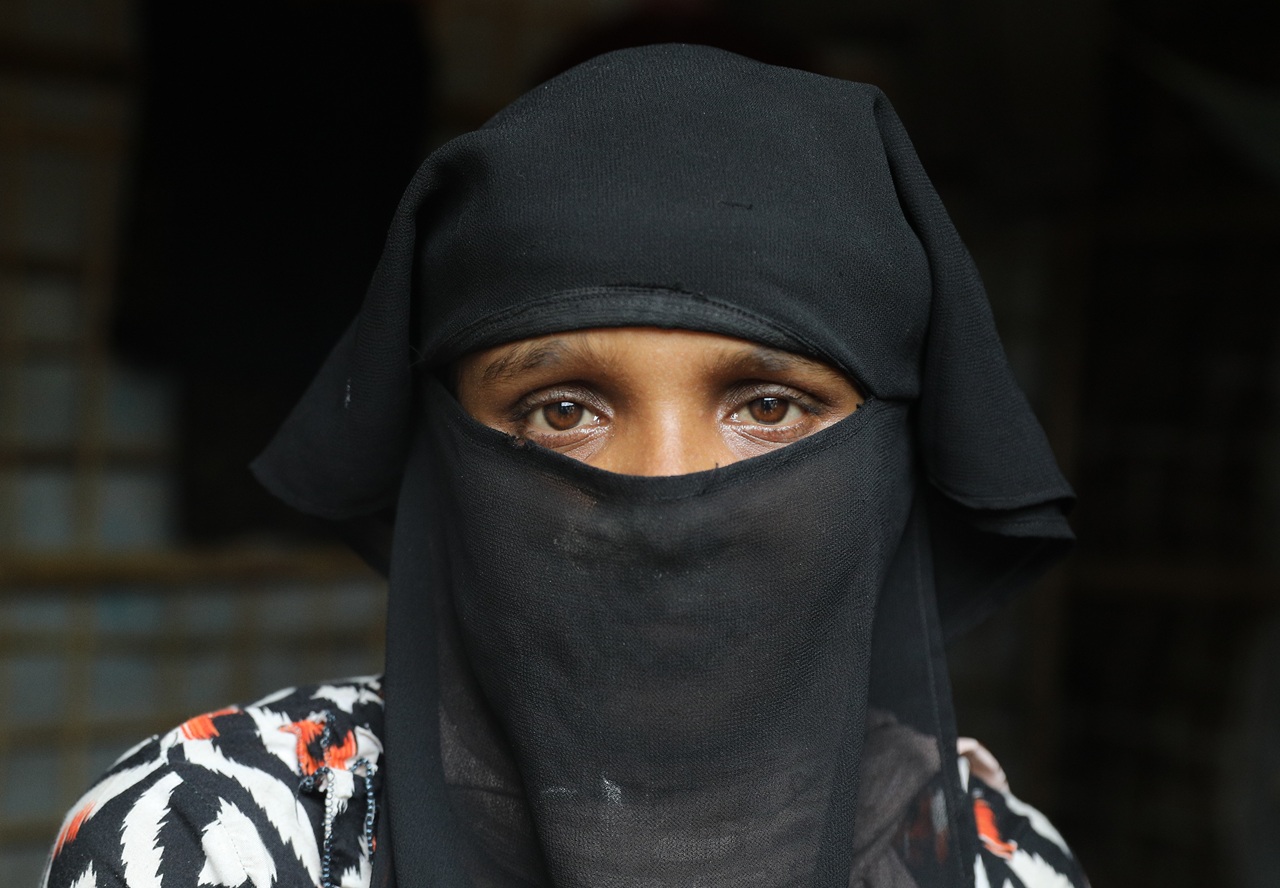
At least 1,000 families now live in these settlements, a place residents bitterly call the “Rohingya Slum.”
“We escaped soldiers burning our house. We escaped bombs falling on our town,” said Mohammad Ismail, 37, who fled Buthidaung with his three children in March. “But here we are prisoners again – prisoners who must pay rent to live in the mud.”




Inside the slum, smoke from cooking fires hangs in the air, mixing with the stench of stagnant water. Infants cough in the dark, and families collect drinking water from shallow, often brackish wells. Unlike the official camps, there are no food rations, no latrines, and no schools. “We are invisible,” said Noor Begum, 28, holding her 8-month-old son. “No one counts us. No one helps us.”
Aid groups say they cannot reach most families in these unofficial enclaves, while Bangladeshi authorities, overwhelmed and politically cautious, have largely refrained from intervening. “If we let them in the camps, it will break the system,” a local official said privately. “If we leave them outside, the locals profit. Either way, it is unsustainable.”
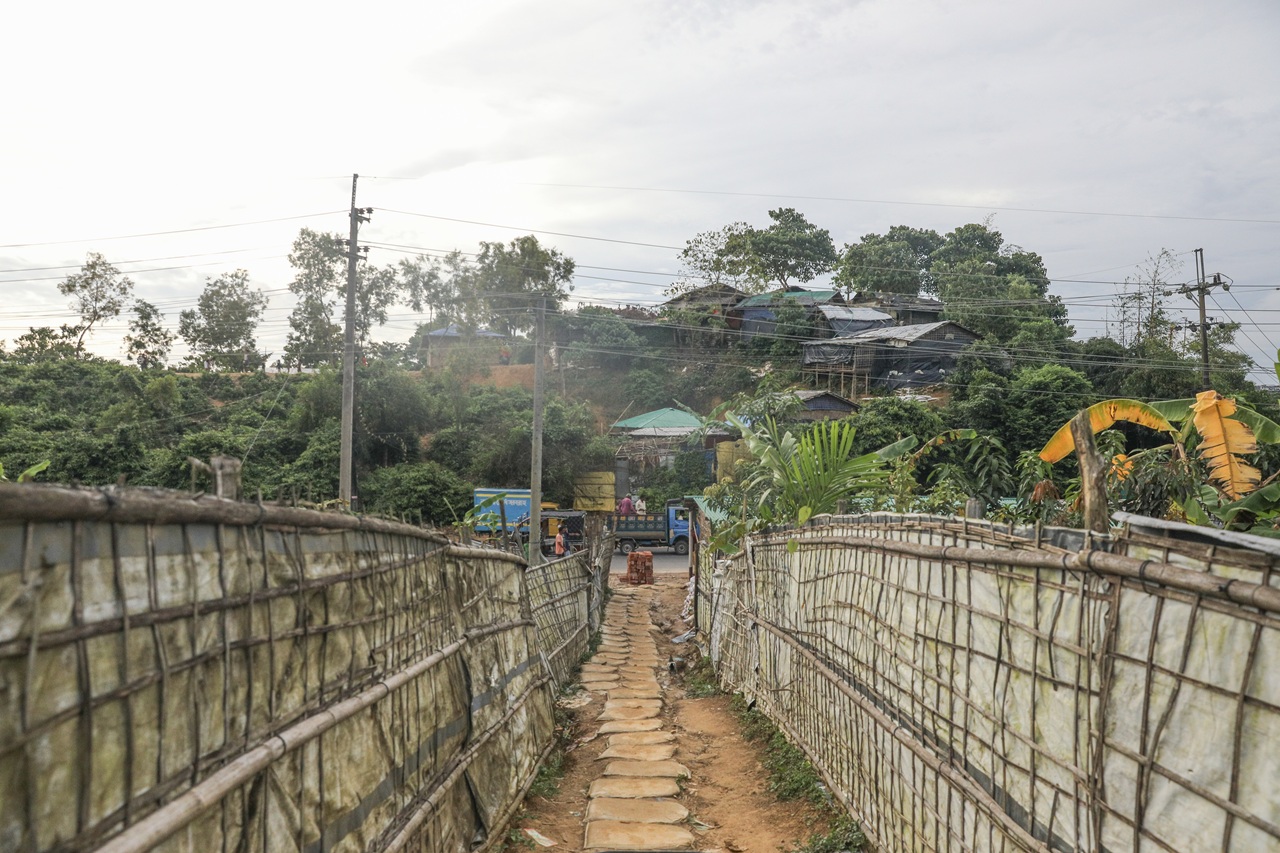
This trade in hillside plots has deepened tensions between host communities and refugees. In Ukhiya, villagers cut down hills to make space for more shacks, pocketing the rent. What was once forest is now a fragile slope of exposed clay, crowded with huts that could collapse in the coming monsoon.
Meanwhile, the conflict in Myanmar shows no sign of ending. The Arakan Army has taken control of large parts of Rakhine State, forcing the junta into retreat but leaving civilians caught in a no-man’s land of shelling and reprisals. For the Rohingya – stateless, hunted, and now unwelcome in Bangladesh – displacement has become permanent.
“The world has forgotten us,” said Ismail. “They will only remember us when the hills fall down and bury our children.”