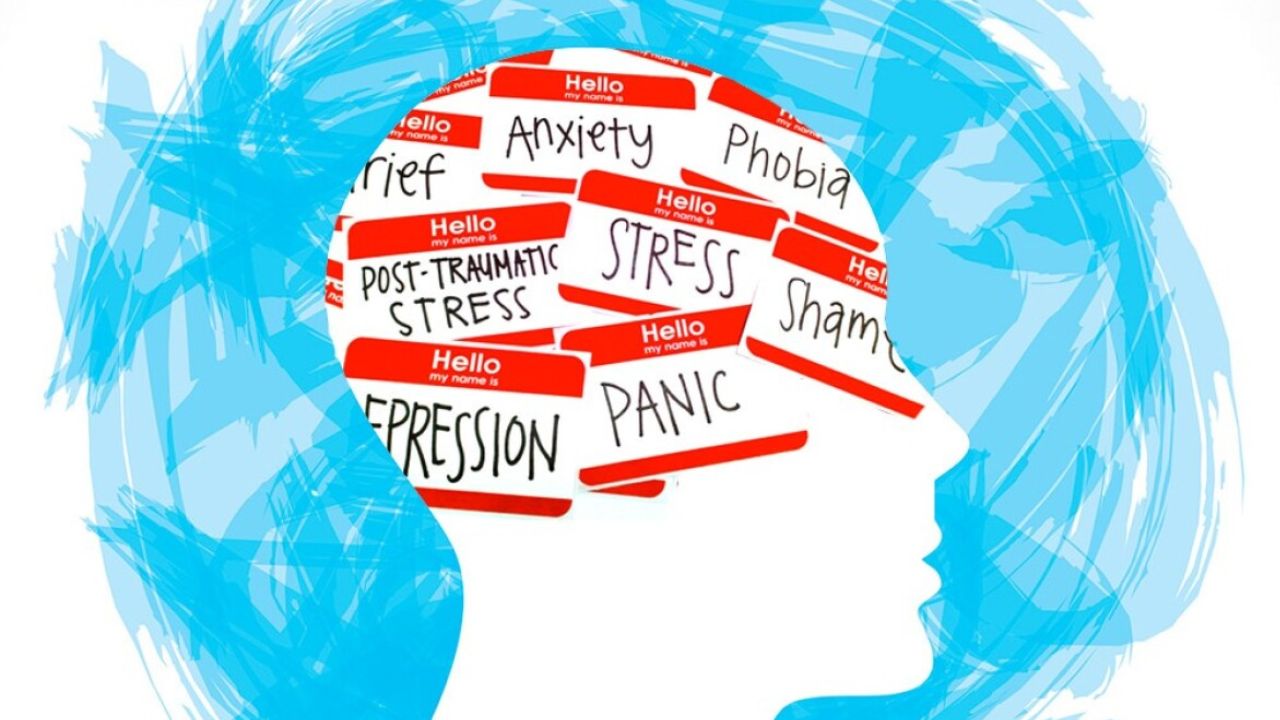



A staggering 92 per cent of people suffering from mental health issues in Bangladesh remain outside the coverage of medical treatment, Health and Family Welfare Minister Sardar Md Sakhawat Hossain informed the National Parliament on Monday.
Responding to a query from MP Md Abul Kalam (Cumilla-9), Sakhawat highlighted a critical shortage of personnel, saying there are only 1.17 mental health workers available for every 100,000 people.
The minister said while cardiovascular diseases and cancer remain the primary causes of death globally, mental health disorders, particularly depression and anxiety have become a leading cause of long-term disability and the loss of human productivity.
Citing National Mental Health Survey 2018-19, the minister informed the House that approximately 16.8 per cent of the adult population and 12.6 per cent of children and adolescents in Bangladesh suffer from various mental health conditions.

Despite these figures, more than 92 per cent of those affected do not receive any form of professional healthcare. The workforce gap is further evidenced by the fact that there are only about 350 registered psychiatrists in public sector, a figure the minister described as negligible relative to the country’s vast population.
To address these challenges, government is operating National Institute of Mental Health and Hospital in Dhaka and Pabna Mental Hospital as the country’s primary specialised facilities.


Legal and strategic frameworks, including the Mental Health Act and the National Mental Health Strategic Plan and Action Plan (2020-2030), are currently being implemented.
Additionally, a proposal to create a separate director position within Directorate General of Health Services (DGHS) to manage mental health activities is currently under process.
The minister also detailed initiatives to decentralise care. Under World Health Organization’s Mental Health Gap Action Programme (mhGAP), training is being provided to primary healthcare doctors, nurses, and workers.
This programme is currently active in ten districts: Khulna, Jashore, Jhenaidah, Noakhali, Bandarban, Sylhet, Sherpur, Netrokona, Chapainawabganj, and Kurigram.
The targeted suicide prevention programmes are being implemented in Jashore, Jhenaidah, Sylhet, and Chapainawabganj through the joint cooperation of DGHS, WHO, and National Institute of Mental Health.
Bangladesh has also been selected as one of nine countries for WHO Special Initiative for Mental Health (SIMH), which focuses on integrating mental health services into primary healthcare at the field level.
To reach those in remote and inaccessible areas, the government is also expanding specialist services through a dedicated telemedicine platform.