A luxury expedition cruise turned into a floating medical emergency in April-May 2026 when a rare hantavirus outbreak was confirmed aboard the Dutch-flagged expedition vessel MV Hondius. The ship had departed from Ushuaia, Argentina, on April 1, 2026, carrying around 147-150 passengers and crew on a South Atlantic and Antarctic route when the first signs of illness emerged.
According to the World Health Organization (WHO), the outbreak involves the Andes strain of hantavirus, a rare variant capable, though uncommonly, of human-to-human transmission through prolonged close contact.
The first case developed symptoms on April 6, 2026, and he died days later on the ship on April 11. His wife, who disembarked at Saint Helena, later died in a hospital in Johannesburg. Additional cases followed as the ship continued its route, including a third death in early May.

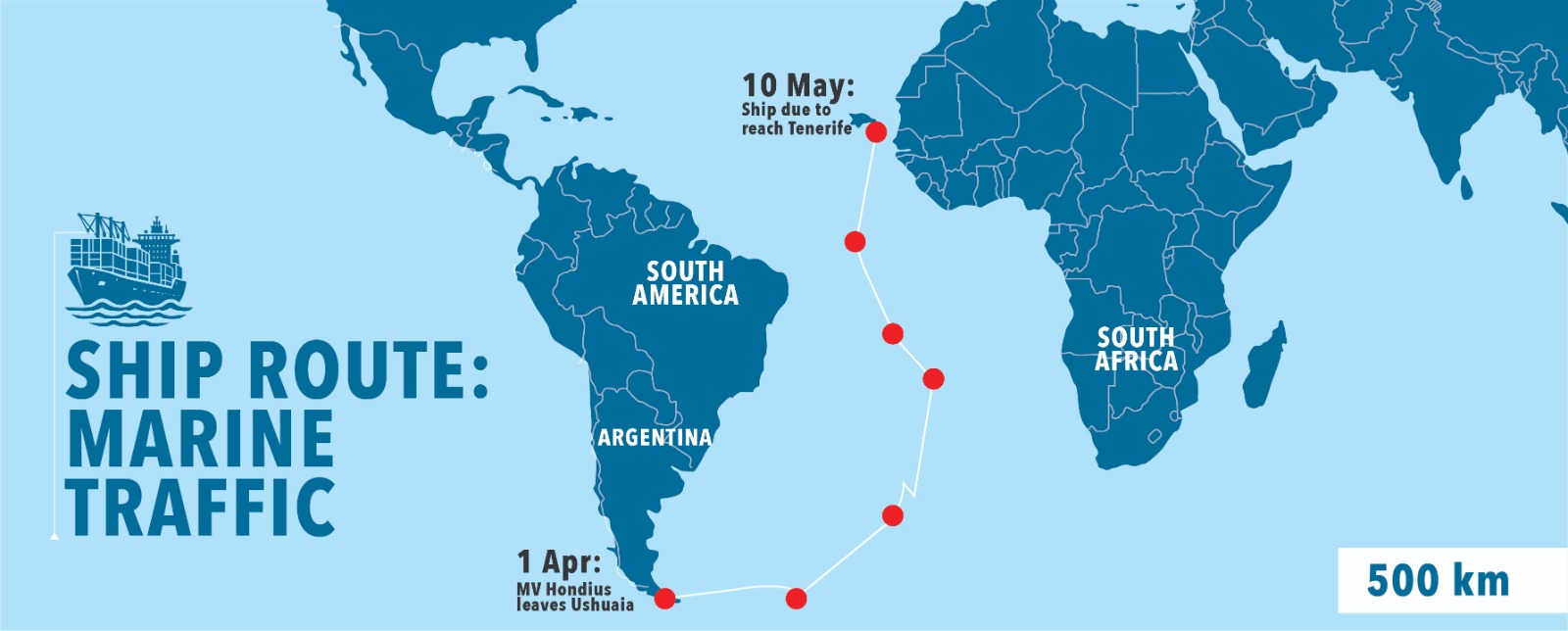
By early May 2026, the WHO confirmed 7-8 total cases (2-5 confirmed, others suspected depending on report date), including three deaths, with one patient in critical condition. The vessel was eventually diverted toward Tenerife in the Canary Islands under coordinated international health supervision.




On Friday, May 8, dock workers in Tenerife gathered outside the Canary Islands’ parliament in Santa Cruz to express concern that the ship’s expected arrival could pose a potential health risk to them.
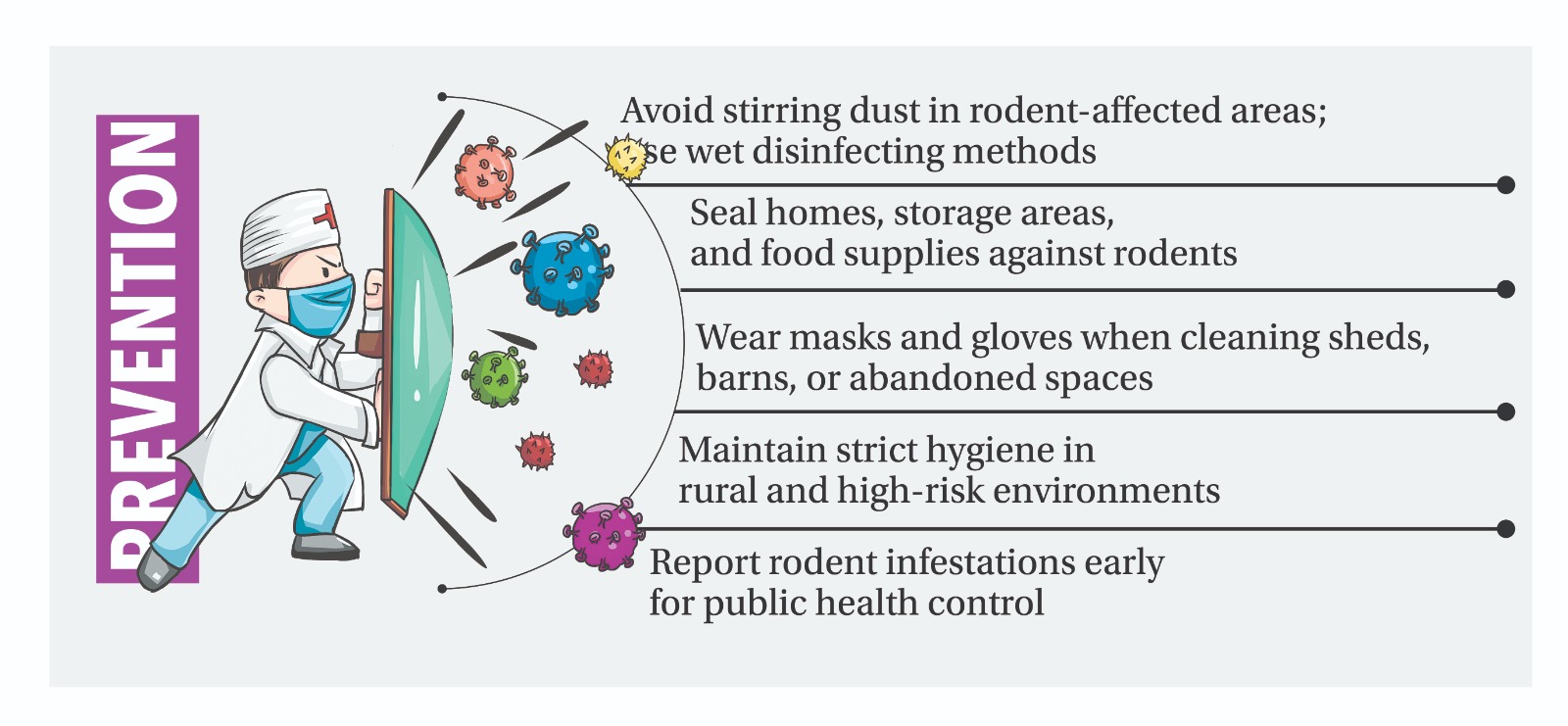
Unlike common respiratory viruses, hantavirus is not spread through casual contact or airborne community transmission. Most infections occur when humans inhale particles contaminated by rodent urine, droppings, or saliva, often in enclosed or poorly ventilated environments.
Cruise investigators also examined whether exposure may have occurred during shore visits in Argentina, where rodent reservoirs are present.
Despite alarming headlines, health authorities consistently stress that the overall global risk remains low and that sustained human-to-human transmission has not been observed in most hantavirus strains.
In essence, hantavirus is not a mass-spreading virus, but a reminder that environmental neglect and human expansion into wildlife zones continue to reshape disease risks in quiet but dangerous ways.