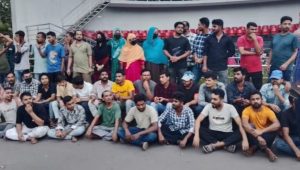
A growing protection crisis is unfolding among Rohingya children in Cox’s Bazar, as service gaps and rising social risks leave thousands vulnerable to abuse, exploitation, and neglect.
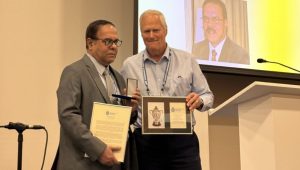
These concerns were highlighted at a recent media workshop in Dhaka, supported by Danish TV and hosted by Save the Children.
Delivering the keynote presentation, Jamshedul Karim, advocacy coordinator of Rohingya Response at Save the Children in Bangladesh, emphasised the scale and urgency of the protection challenges currently facing children in the camps.

With children accounting for more than half of the 1.1 million Rohingya refugees living in the settlements, they represent the most vulnerable group within an already fragile humanitarian environment.
“Exposure to violence, trafficking, and child labour remains high, while harmful practices such as child marriage continue to put adolescents, especially girls, at risk,” Karim stated. He further noted that limited access to consistent protection services and safe care systems has deepened these existing vulnerabilities.


Despite ongoing interventions, Karim warned that the scale of need continues to outpace available support, raising fears of worsening risks as funding constraints and service gaps add to the pressure.
In response, efforts are being intensified to strengthen child protection systems through community engagement, awareness campaigns, and coordinated responses with service providers.
Save the Children reported progress in several key areas, including preventing child marriage, improving referral systems for vulnerable children, and supporting family reunification.
Additionally, education and health initiatives are being expanded to foster safer environments.
Karim noted that learning centres and access to the Myanmar curriculum are helping children remain in school, while health services are addressing critical needs such as maternal care, nutrition, and mental health support.
However, Save the Children cautioned that these gains remain fragile. The organisation stressed the necessity of sustained investment to prevent long-term harm to an entire generation currently growing up in displacement.