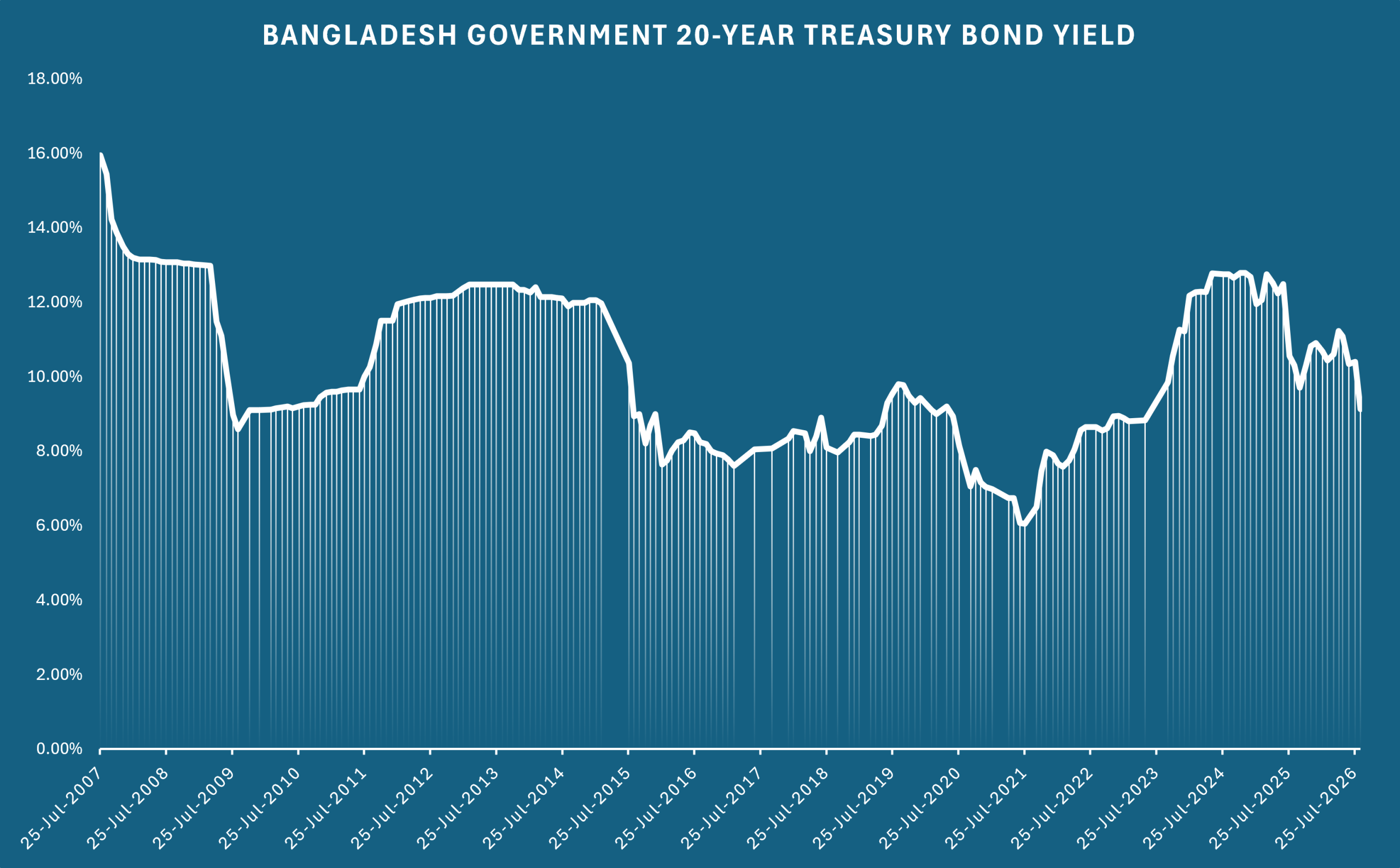
Bangladesh Bank (BB) has decided to transfer Tk10,000 crore to the government as an advance from its current fiscal year profits, aiming to ease growing fiscal pressure and reduce rising debt costs.
The decision was approved at the central bank’s board meeting on Sunday, with a board member confirming the matter to TIMES. Last year, the central bank provided Tk8,000 crore in a similar advance, against a net profit of Tk22,600 crore.
Officials have stated that the central bank expects to earn around Tk30,000 crore in net profit this fiscal year. BB’s profits primarily come from interest on loans to the government, returns on its foreign currency reserve investments, and interest earned from liquidity support such as repo operations for banks.

Of this, Tk10,000 crore is being released in advance, with the remainder to be transferred after final accounts are settled at the end of the fiscal year.
A senior BB official, speaking on condition of anonymity, explained that the funds will primarily be used to repay part of the government’s outstanding liabilities to the central bank.




“This effectively keeps the money within the central bank’s balance sheet. At the same time, it will reduce the government’s interest burden, which has been rising amid heavy borrowing,” the official told TIMES.
According to central bank data, the government has already borrowed Tk17,386 crore from the central bank in the current fiscal year. The move comes at a time when fiscal pressure is intensifying. Government borrowing from the banking system has already surpassed its annual target, with Tk1,12,711 crore borrowed against a target of Tk1,04,000 crore for FY26.
A widening revenue shortfall and stagnant private sector credit have further pushed the state to rely heavily on domestic financing. Against this backdrop, the advance profit transfer is seen as a short-term liquidity management tool to ease pressure without immediately increasing net borrowing from the market.
However, economists have raised concerns about the growing reliance on central bank financing, warning of potential inflation risks. Borrowing from the central bank typically leads to money creation, injecting liquidity into the economy and potentially fuelling price pressures if not carefully managed.