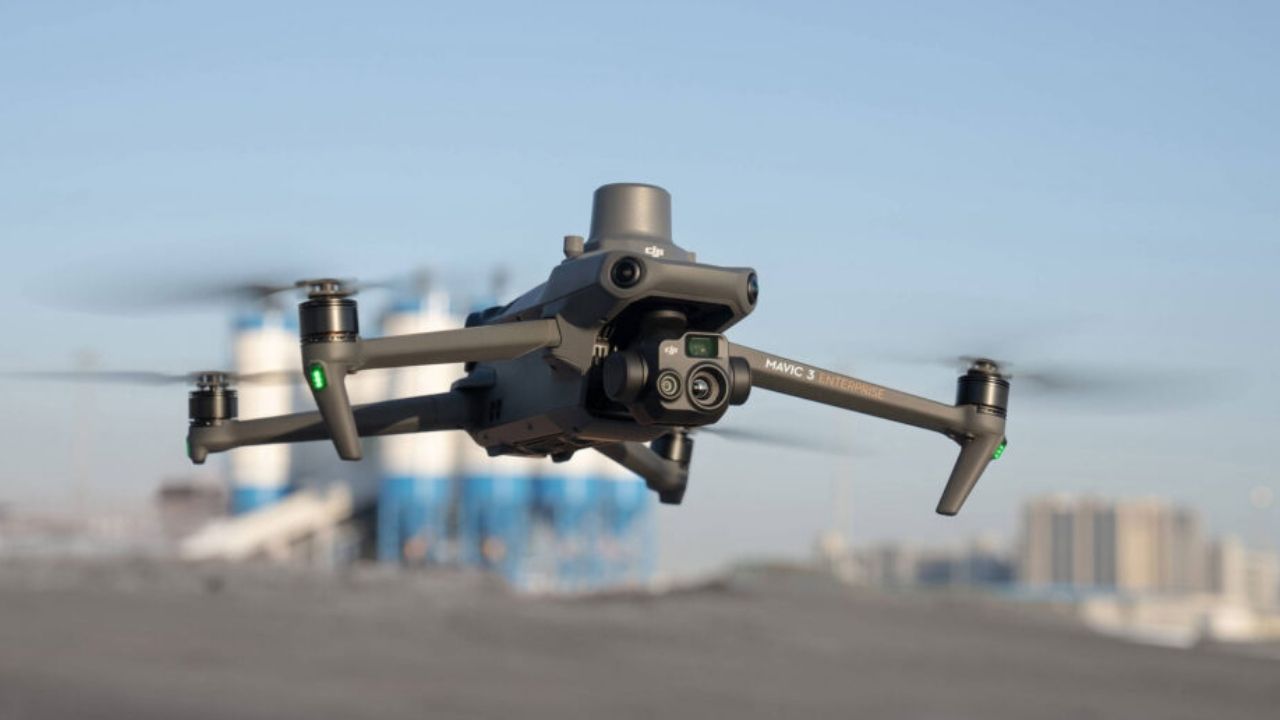



Bangladesh is transitioning to a 24-hour digital surveillance system along its remote and forest-covered frontiers using modern drones equipped with night vision and thermal imaging, Home Minister Salahuddin Ahmed announced on Tuesday.
Speaking at a press briefing following the inauguration of “Border School of Surveillance and Drone Warfare (SSSDW)” at Border Guard Bangladesh (BGB) Sylhet Sector Headquarters, Salahuddin highlighted that constant, round-the-clock monitoring is crucial for areas where physical patrolling by security personnel is extremely difficult.
He formally opened the specialised training centre earlier this morning by unveiling its commemorative nameplate.
Salahuddin explained that the integration of thermal technology is a game-changer for night-time security, making it simple to monitor cross-border movements of counterparts even in complete darkness.
This continuous, 24-hour vigil will play a critical role in identifying and preventing the smuggling of narcotics, drugs, and illegal weapons along vulnerable border routes.

Beyond round-the-clock border defence, he noted that these aerial assets have already proven highly effective during natural and humanitarian crises.
Salahuddin cited a recent successful operation in the remote areas of Chittagong Hill Tracts, where BGB members used drones to conduct rescue missions and deliver essential relief materials directly to inaccessible points.



While SSSDW is currently dedicated to training BGB personnel in border surveillance and drone warfare, the government plans to expand the curriculum in the future to equip civilian personnel with advanced drone piloting and technological skills.
Salahuddin also revealed that the world’s most sophisticated drone systems will be integrated into the school’s training programme within the next one to two years to bolster national defence capabilities.
Addressing questions regarding law enforcement and drug prosecution, the home minister stated that Narcotics Control Act has been modernised.
BGB’s operational efficiency is being significantly enhanced through the deployment of specialised laboratories, lock-ups, dog squads, and modern weaponry at the district level.
He issued a stern warning that any attempts to disrupt legal proceedings by creating “mobs” would be dealt with strictly under existing laws.
The ceremony commenced with a greeting speech by BGB Director General Major General Mohammad Ashrafuzzaman Siddiqui, followed by a welcome address from Colonel Mohammad Salahuddin, sector commander of BGB Sylhet Sector.
Prior to the official unveiling, Salahuddin received a comprehensive briefing on the school’s training frameworks.
He later toured the drone school complex and display centre and witnessed a live tactical drill and dynamic drone flight demonstration by trained BGB operators.
The event was attended by senior military and civil administration officials alongside media representatives.
The launch of SSSDW marks a milestone in establishing an information-driven, technologically advanced border security infrastructure, opening a new frontier in aerial surveillance for the nation’s defence.