


Friendship and IDLC Finance have claimed that their Solar Village project in Gaibandha’s Mollar Char will lower irrigation costs by one-third, bringing clean energy and sustainable infrastructure to the remote char community.
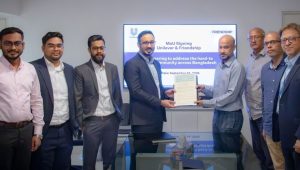
The two organisations signed a memorandum of understanding to establish the Solar Village, which will directly benefit about 315 people, including farmers gaining access to solar-powered irrigation across 10 acres of land and households receiving electricity through a 30kWp solar-powered micro-grid system, said a press release on Monday.
The project includes installation of two solar irrigation pumps, prepaid energy meters for 70 households, electric husking and threshing machines, refrigeration support for local shops and pharmacies, and capacity building for 10 local para-solar technicians to ensure community-based operation and maintenance.
These interventions are expected to lower irrigation costs by one-third, improve crop yields and support sustainable livelihoods in one of Bangladesh’s most vulnerable regions. Through Friendship Farmer Clubs and Sustainable Economic Development Hubs, para-solar technicians will receive training, creating more opportunities for climate-smart agriculture with additional electricity.

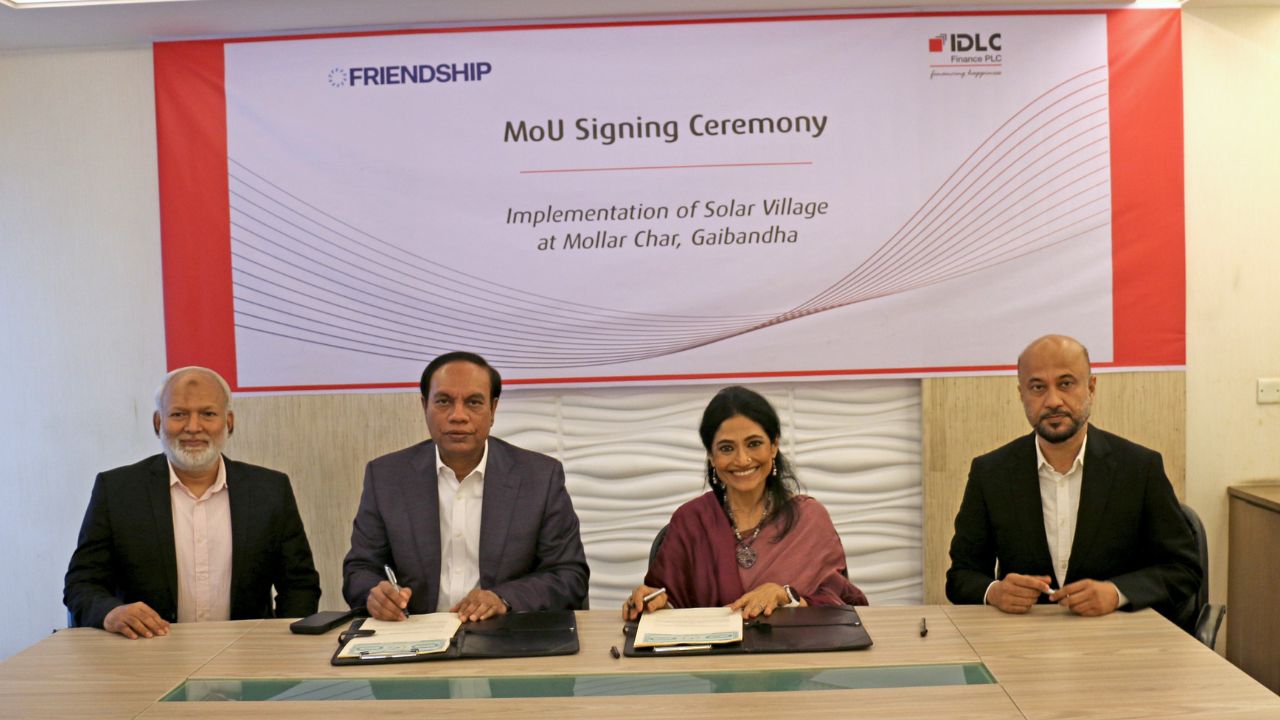
The MoU was signed at IDLC Finance’s head office in Dhaka’s Gulshan area. IDLC Finance Managing Director M Jamal Uddin and Friendship Founder and Executive Director Runa Khan signed on behalf of their respective organisations.
Jamal Uddin said the lack of reliable electricity and modern irrigation infrastructure at Mollar Char had significantly constrained agricultural productivity by increasing production costs.

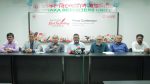


“I hope our partnered efforts with Friendship for the Solar Village project will bring a difference to the community and uplift their lives in the long term,” he said.
Runa Khan said resilience on the chars was built through practical solutions that gave people greater control over their own lives.
“Reducing farming costs by one-third, bringing safety to the community and reliable energy into homes is uplifting livelihoods and turning clean technology into opportunity, dignity and greater economic security,” she said.
Most households in the char depend on agriculture and cultivate leased land. The community remains beyond the reach of the national electricity grid, forcing farmers to rely on diesel-powered irrigation at significantly higher seasonal costs, transportation costs and operational inefficiencies. The integrated model of this initiative aims at empowering households with renewable energy while ensuring sustainable livelihoods.
The project builds on Friendship’s decades of experience in renewable energy interventions, starting from the development of Bangladesh’s first solar micro-grid to operating seven Solar Villages across Kurigram and Gaibandha. The Mollar Char Solar Village project, implemented in partnership with IDLC, is another addition to this development.
Through the partnership, IDLC Finance and Friendship aim to ensure renewable energy for vulnerable communities by addressing interconnected challenges of energy access, agricultural productivity, livelihoods and climate resilience in Bangladesh’s remote char communities.