


Dhaka is home to more than 30 million people. Yet for most, exercising outdoors feels like a luxury. In a city bursting at the seams, fitness has become a privilege, not a right.
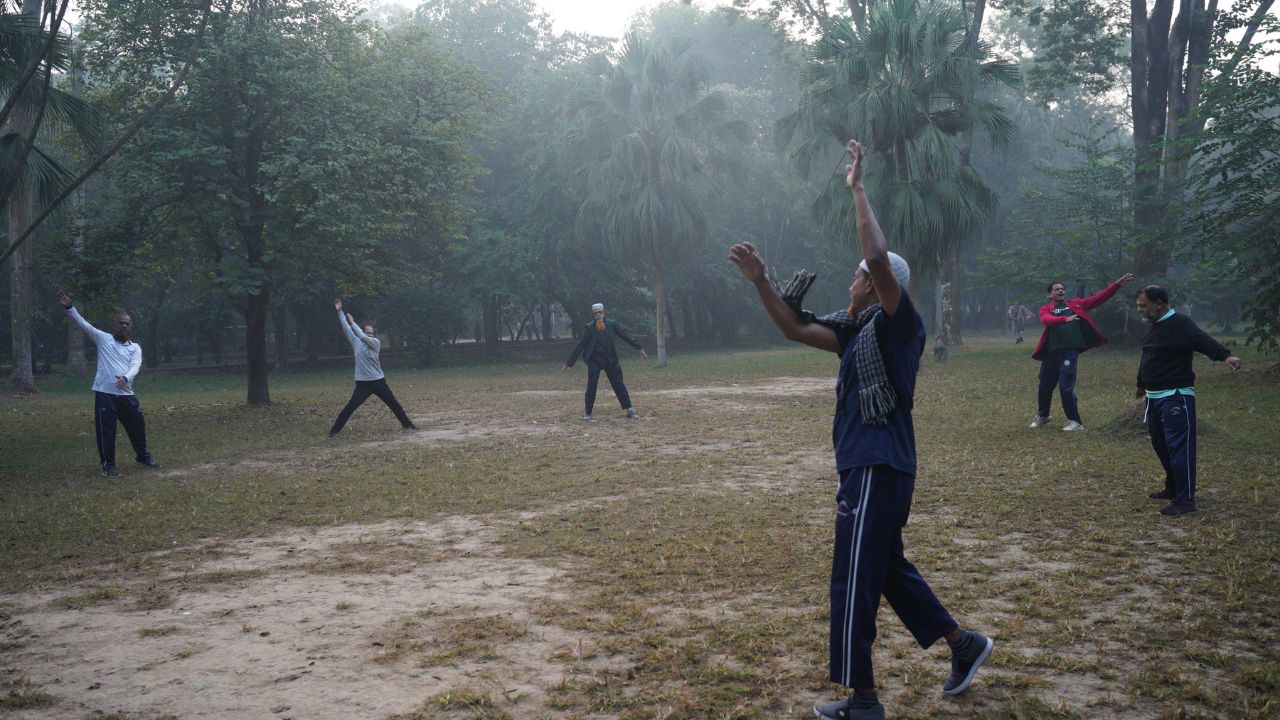
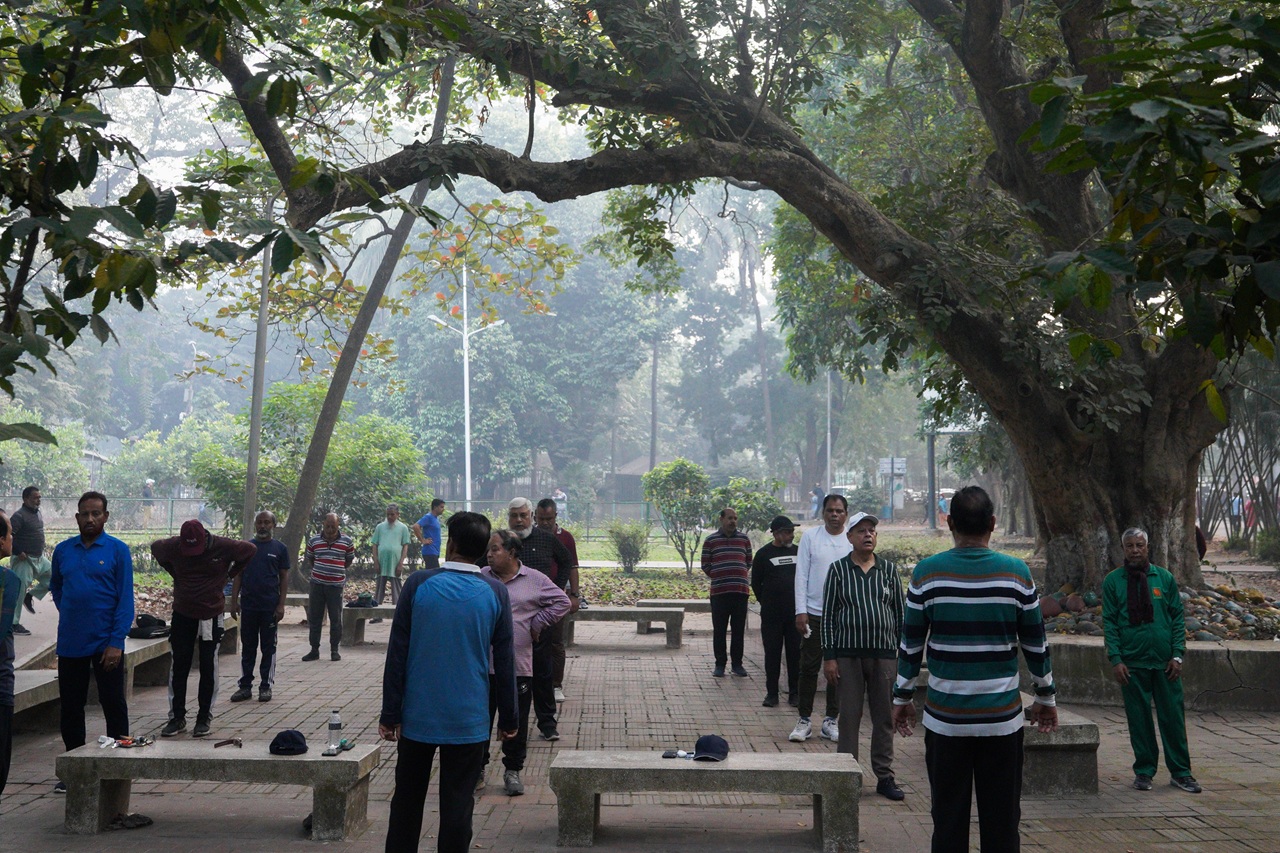
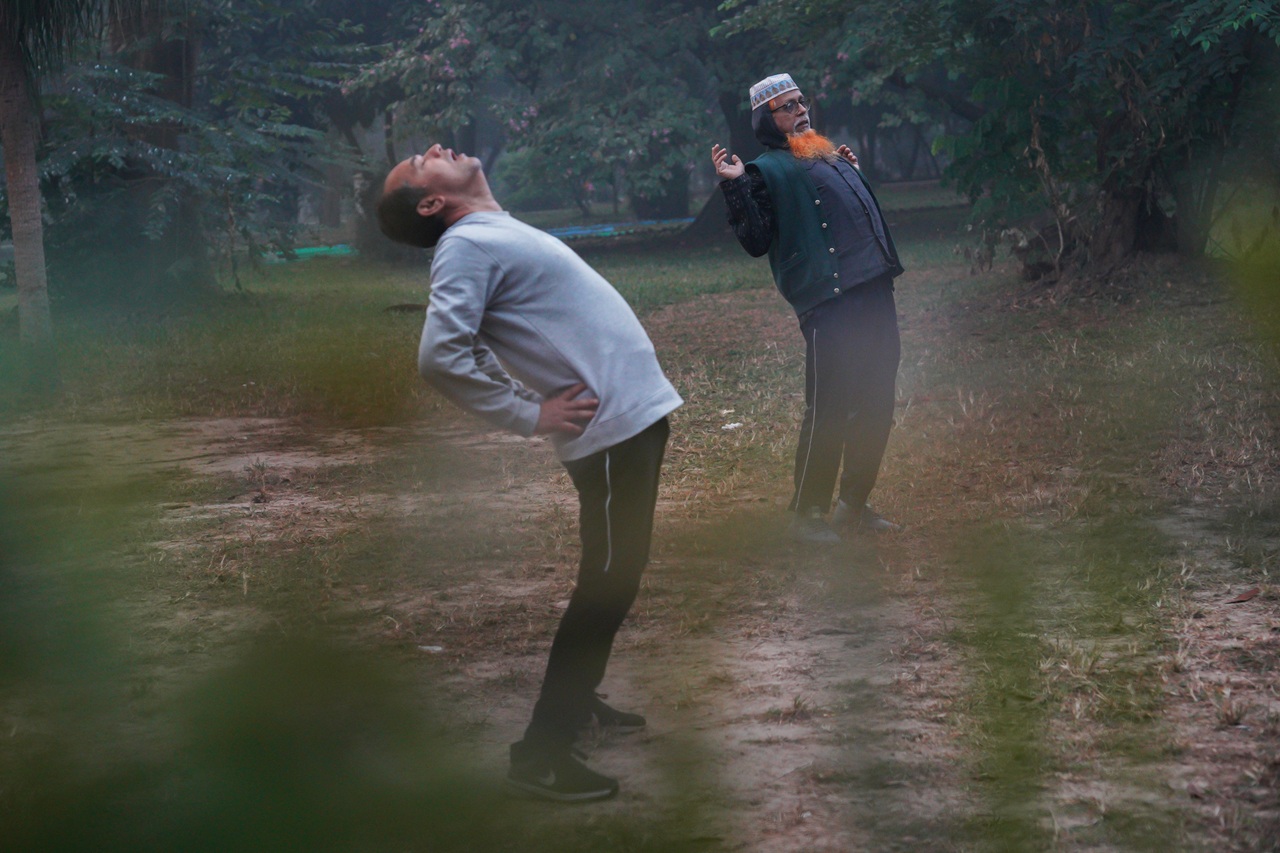
Every morning, Ramna Park tells the same story. Before sunrise, people arrive in waves. Elderly men walk fast, women stretch quietly under trees. Young runners weave through the crowd. The demand is obvious but the facilities are not.
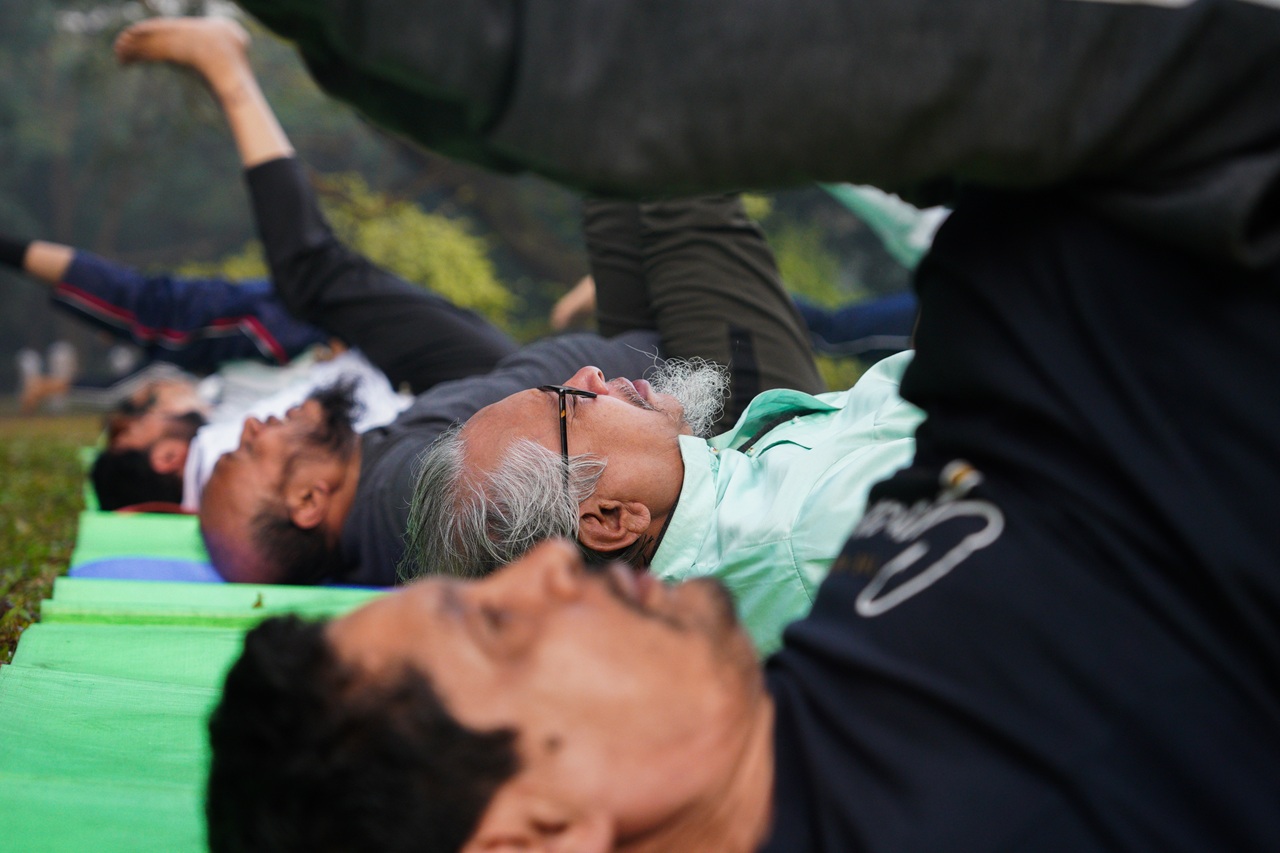
Beyond open paths and grass, there is little else. No proper jogging tracks in most areas. No free fitness equipment. No spaces are designed for children, the elderly, or people with disabilities.

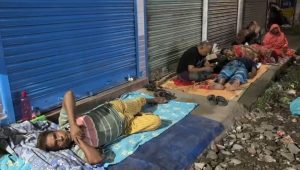
Outside Ramna, the situation worsens. Entire neighbourhoods have grown without a single park or playground. Footpaths turn into walking tracks. Roadsides become jogging lanes. Flyover shadows replace open fields. There exercise comes with risks, accidents, polluted air or the slow choice to give up.
The cost is already visible. Diabetes is rising and heart disease is common. Obesity cuts across age and income. Doctors advise daily physical activity. But where should people go?


Gyms are expensive. Private clubs are exclusive. For most residents, there is no affordable option.
Urban planning has long favoured concrete over breathing space. Parks shrink, playgrounds disappear, new buildings rise without community fitness areas.
Exercise remains an afterthought. Even as it becomes a necessity.
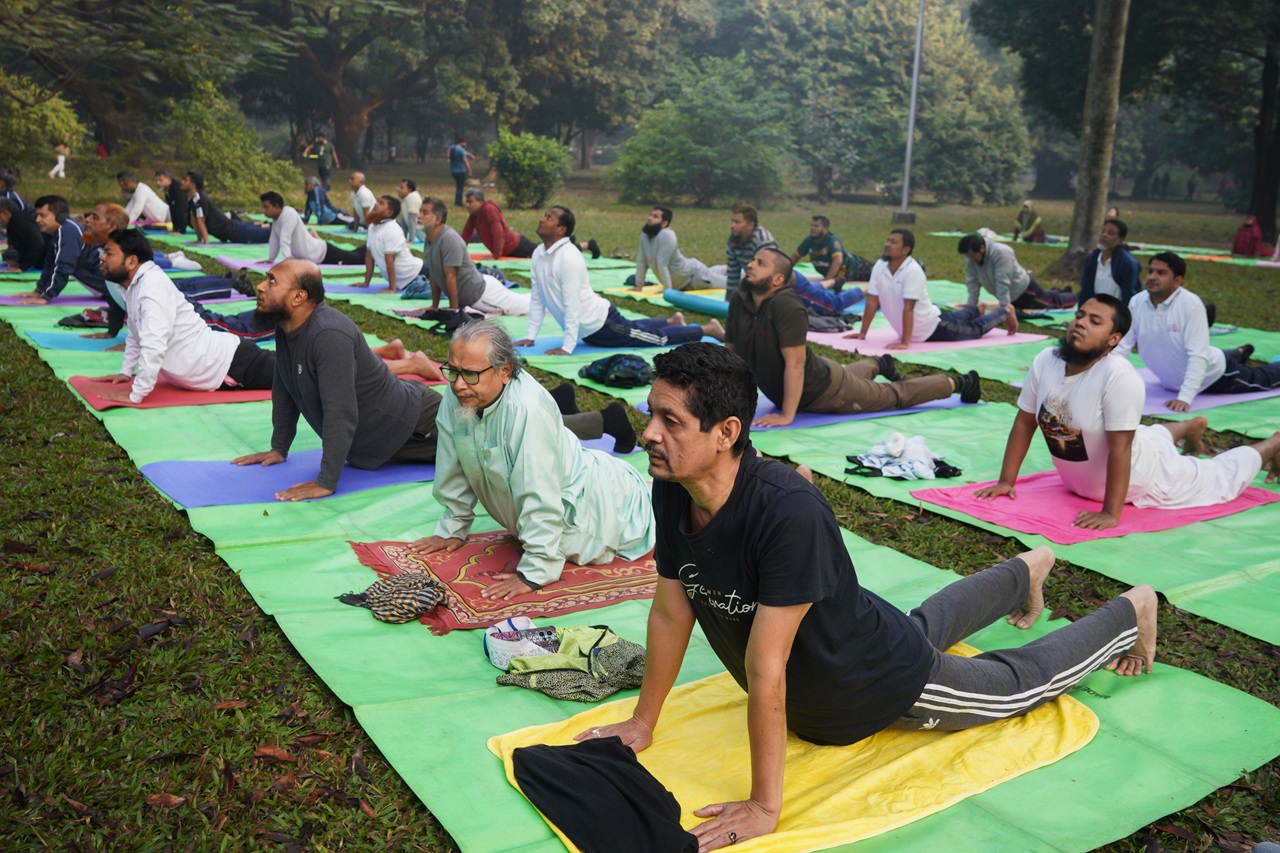
Cities around the world have shown another way. Simple outdoor gyms, walking tracks and open fields. Dhaka does not need grand ideas, what it needs is intent.
Small parks in every ward. Safe paths to walk. Accessible spaces to move and basic exercise facilities.
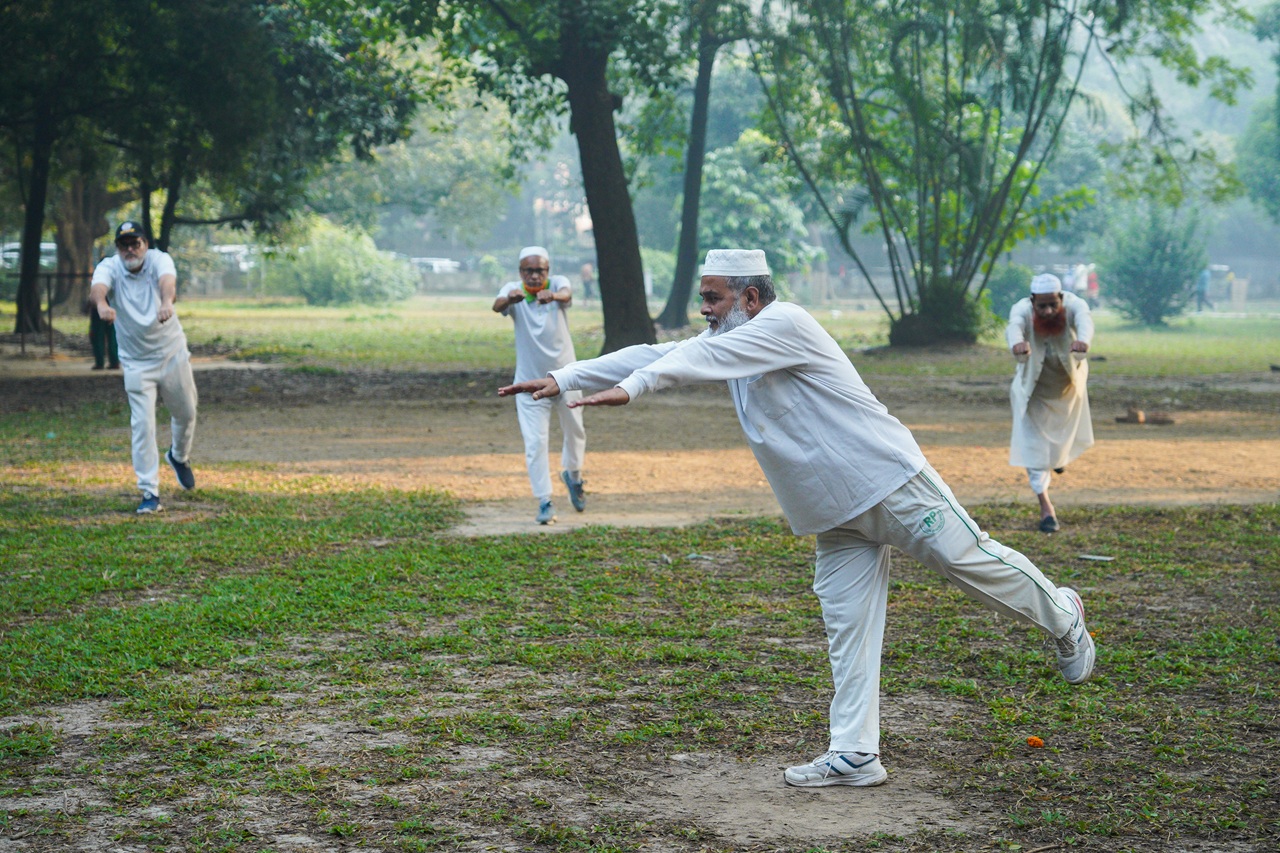
Until then, Dhaka’s residents will keep crowding parks and wait in line to use the public exercise facilities. In a city that gives them little room to breathe, and even less room to move.