BNP is determined to make no concessions in its bid to win the upcoming local government elections, driven by long-term political calculations and the need to counter the opposition.
The ruling party leaders are expected to campaign with “all their strength” to secure victory for BNP candidates, as the party seeks to strengthen its grassroots political base.
BNP leaders have also warned that areas electing opposition candidates could lose development opportunities, while special allocations to union parishads (UPs) in constituencies represented by 202 BNP lawmakers and one Khelafat Majlis MP have raised questions about electoral fairness.
Statements by senior BNP leaders threatening to withhold development from areas that reject party candidates have gone viral on social media.
Prime Minister and BNP Chairman Tarique Rahman has directed party leaders to select single, qualified and acceptable candidates for the elections.
Opposition Jamaat-e-Islami is also prioritising the polls to consolidate its national political position.
Opposition parties allege that special allocations to ruling party MPs and threats by ministers and lawmakers to withhold development are undermining a fair electoral environment.

Election Commissioner Abdur Rahmanel Masud told TIMES, “After the announcement of the schedule, there is scope to take action under the law if the code of conduct is violated, which is not possible at the moment. The government can speak in line with its promises, manifesto and political strategy. There is no legal bar to this.”
Political observers say strong local election results could help opposition parties strengthen their grassroots organisations and increase pressure on the government over future movements and demands.
Political scientist Professor Dilara Choudhury told TIMES, “Local representatives get the chance to stand by the people of their areas. They get opportunities to spread influence at the grassroots in various ways. So it is natural that the BNP, being in power, will not want to let the opportunity slip.”
According to the Election Commission schedule, UP elections will begin on 21 January and conclude with the fifth phase on 27 May.
Special funds for UPs in ruling MPs’ areas
Ahead of the elections, the Local Government Division on 13 October allocated Tk51.18 crore to 3,159 union parishads across 203 parliamentary constituencies for projects preferred by ruling party MPs.


The money came from Tk279 crore earmarked for special grants under the Union Parishad Development Assistance sector of the 2026–27 Annual Development Programme (ADP).
An allocation made on 12 August for the country’s 4,588 union parishads did not allow MPs to select preferred projects. The 13 October order, however, directed that projects be undertaken and implemented according to local MPs’ wishes.
Union Parishads in constituencies won by opposition and independent candidates in the last parliamentary election were excluded.
An exception was made for Sylhet-5, represented by Khelafat Majlis’s sole MP, Abul Hasan, after the party announced its departure from the Jamaat-led 11-party alliance.
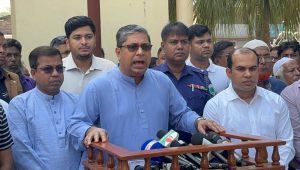
Barguna-2 MP and Jatiya Sangsad Chief Whip Nurul Islam Moni said at a meeting on 15 October, “If the candidate nominated by our party does not win, no work will be done in that union. You will not be able to come to me; I will not give any work. That union’s fate will be doomed.”
Election expert Abdul Alim said, “The commission’s hands are legally tied in stopping this kind of campaigning before the announcement of the schedule. But pressuring people in this way is direct interference with their right to vote freely.”
Asked whether a level playing field would exist, he said, “It will become clear which way the situation is heading mainly after the schedule is announced.”
Opposition alleges influence-peddling
Jamaat and National Citizen Party (NCP) leaders have begun raising concerns about the elections.
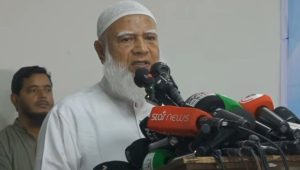
Jamaat Ameer and Leader of the Opposition Shafiqur Rahman said after an event in Chattogram on Tuesday, “The signs of the local government election are not good.”
He added, “Leaders of the ruling party are going to various areas and saying that allocations and development will be stopped if the party’s candidates are not elected. If this situation continues, the election will become a farce.”
BNP standing committee member and reserved-seat MP Selima Rahman said the prime minister would provide directions on candidate selection and maintained that government allocations complied with the law.
“In this regard, no one’s allegation is acceptable,” she said.
Jamaat, the NCP and other opposition parties fear that preferential access to development projects could undermine electoral fairness.
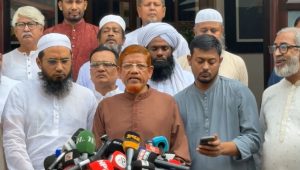
Jamaat Assistant Secretary General Hamidur Rahman Azad told TIMES, “Since the formation of the government, discrimination is being created in the allocations to MPs of the ruling party and the opposition. The aim is to try to keep the people away from us. The latest allocation to 203 MPs is a part of this.”
Jamaat has announced candidates in most union parishads, municipalities and city corporations and begun campaigning, while other parties, including the NCP, are preparing candidate lists.
BNP’s activities
BNP has intensified organisational preparations but has yet to finalise its candidates.
At an online meeting with senior district leaders on 11 October, Tarique Rahman directed them to select single, qualified candidates.
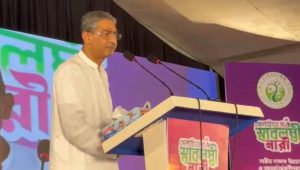
Law, Justice and Parliamentary Affairs Minister Md Asaduzzaman warned at a meeting with BNP leaders and activists in Shailkupa, Jhenaidah, on Tuesday that anyone defying the party’s decision in the UP elections would be expelled.
Jhenaidah district BNP President MA Mazid recently told a meeting, “The candidate I nominate must be voted in and made victorious. If they cannot be made victorious, I will not do any work in the UP. This is a clear word.”