
Bangladesh Bank data shows that the country’s export engine is bleeding cash as the taka grows stronger against the US dollar while competitors are weaponizing their currencies by keeping them weak.
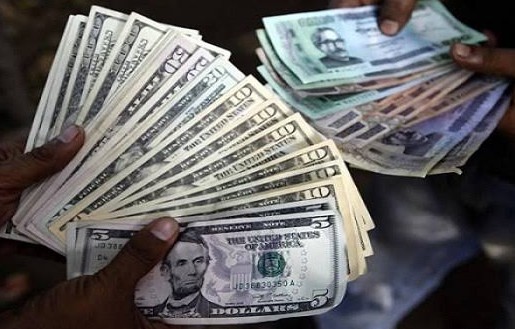
August’s real-price math is stark: with the Real Effective Exchange Rate (REER) at 103.84, the parity-consistent rate would be about Tk 126.27 per dollar, yet exporters on average received Tk 121.6 per US dollar.
That Tk 4.67 squeeze on every dollar translated into Tk 1,830.64 crore effectively forfeited on $3.92 billion worth of shipments in August alone. So, while the nominal screen looks calm, the real signal screams margin compression.
India and Vietnam are pressing the advantage. India’s trade-weighted pricing remains sharp even amid US tariff friction, letting mills undercut Bangladesh by the one-to-three percent margins that decide orders in knits and wovens.
Vietnam, hit by fresh US tariffs, is still quoting aggressively as a weaker Dong cushions costs.

Indonesia’s softer Rupiah widens the circle of low-ball bids in footwear, fabrics and electronics-adjacent inputs.
Meanwhile, Cambodia stayed in the fight on basics after negotiating a lower US tariff – competitive on price even without a markedly weaker currency.
Policymakers concede they are leaning against an over-strong taka.
“We are trying to lower the value of the taka considering exporters’ interests. That is why we are buying dollars from the market regularly,” said Md Ezazul Islam, executive director of Bangladesh Bank.




“This initiative will continue in the coming days,” he added.
In a recent interview with TIMES of Bangladesh, Bangladesh Bank Governor Ahsan H Mansur said that without these purchases “the dollar-taka rate would have fallen below Tk 110”, implying a stronger taka that would have further eroded exporters’ pricing power.
The structure of the economy makes the pain worse. Bangladesh’s import volumes typically exceed export earnings, so an appreciated taka trims landed costs for importers but punishes exporters.
Businesses say the taka was kept notably firm during the last regime, a stance that favoured importers in a high-import economy. After the regime change in August 2024, the exchange rate was allowed more flexibility.
Today’s appreciation pressure is different – driven primarily by weak import demand, not policy favour – yet the outcome is the same: a stronger taka that tightens export margins while rivals gain currency cover.
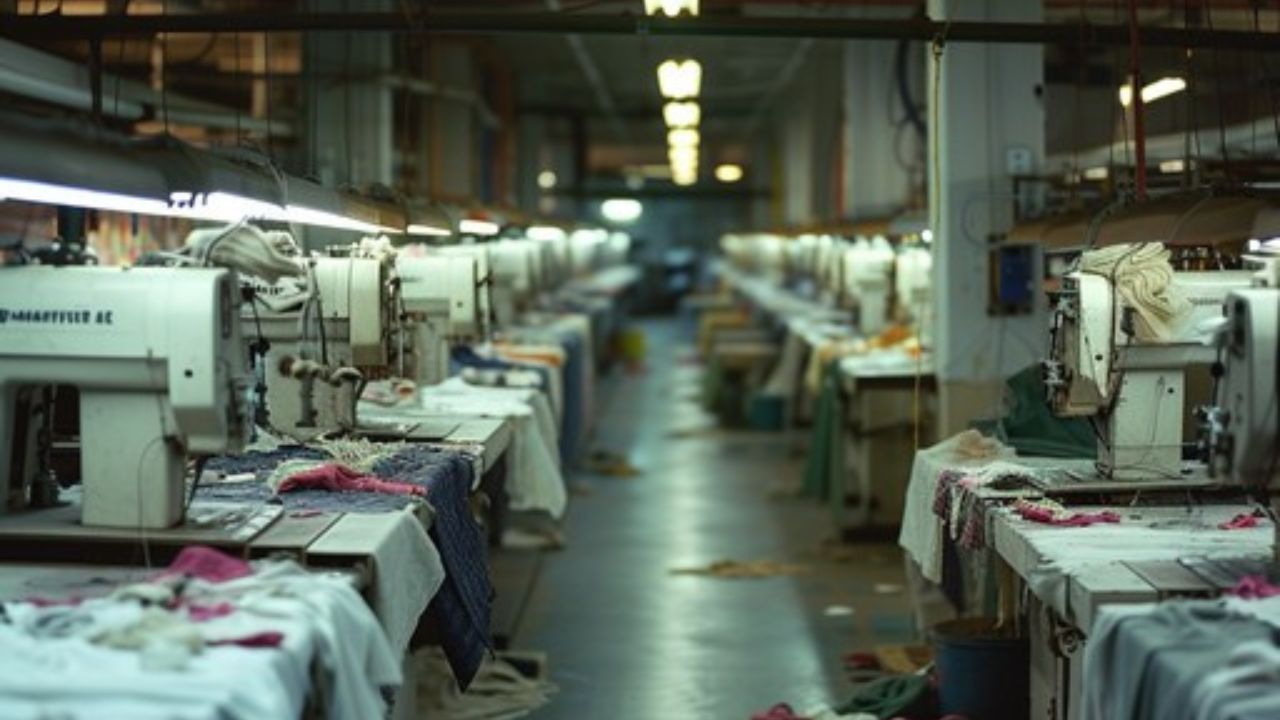
The strain is already visible on factory floors and in price talks. Mohiuddin Rubel, former director of the Bangladesh Garment Manufacturers and Exporters Association (BGMEA), told TIMES of Bangladesh that because the taka is overvalued, exporters’ earnings have shrunk.
“To survive in the international market, we are having to cut costs,” he added.
The sourcing calculus is shifting accordingly. India is offsetting US tariff friction with policy support and scale; Vietnam is using a weaker dong to dull the tariff blow; Indonesia’s rupiah slide is feeding cheaper offers; and Cambodia’s tariff deal keeps it in contention on price. Each move narrows Bangladesh’s edge precisely when the REER points the wrong way.
The fix is not cosmetic. According to Bangladesh Bank data, the nominal rate of around Tk 121-122 is orderly, but orderliness is not competitiveness.
To claw back share, Bangladesh must pull the REER index towards 100 by beating peers on domestic cost growth, while factories wring out every inefficiency – energy use, line balancing, fabric yield – and slash lead times so buyers don’t need a discount to stay. Until then, every “stable” day for the taka is another day rivals use currency to steal a step – and Bangladesh pays for it in lost crores.
Trade policy expert MS Siddique told TIMES of Bangladesh that the squeeze is showing up first in negotiation rooms, not only in shipment data.
Without disinflation and quicker turnaround, price-taking will get tougher each month, he said.