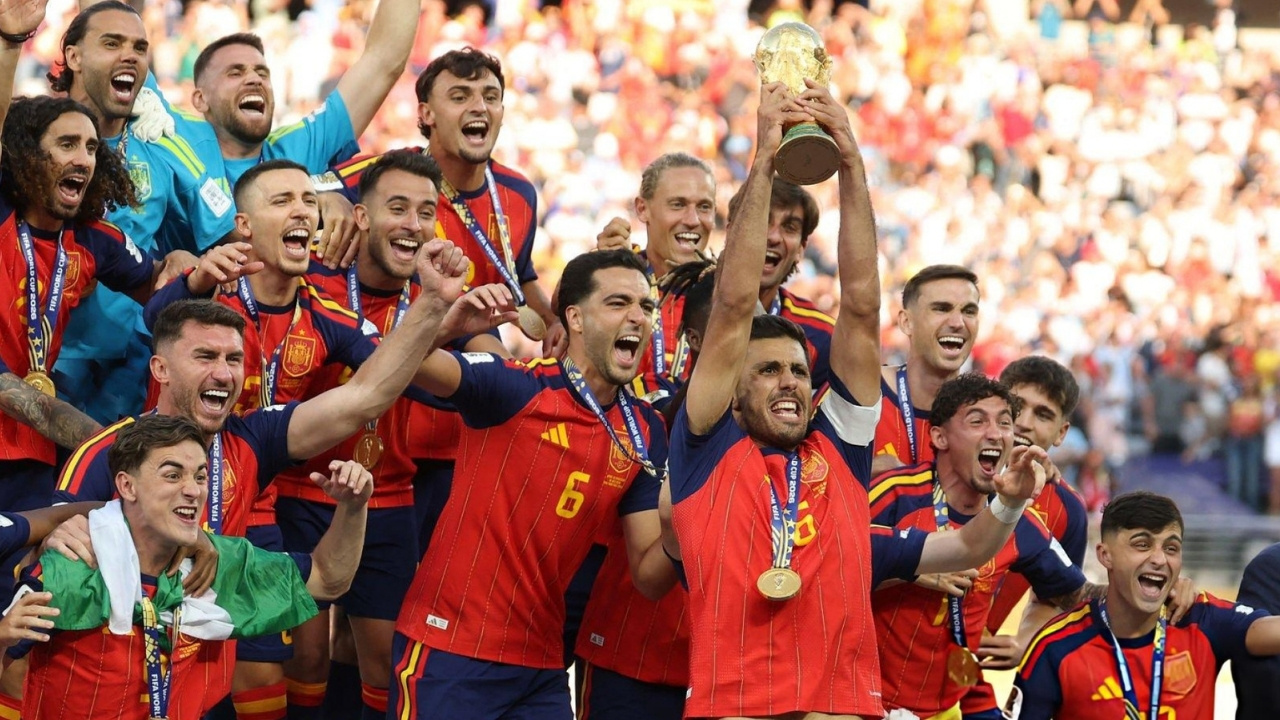

The expansion of the World Cup to 48 teams was meant to offer a fairer chance to continents long underrepresented at football’s biggest stage. A glance at the quarter final line up tells a familiar story instead. Six of the eight teams left in the competition are European, with only Lionel Messi’s Argentina and Morocco breaking the pattern.
With France, Spain, Belgium, England, Norway and Switzerland all still standing, the possibility of an all European semi final, as seen in 2018, remains very much alive. It is the most European sides to reach the last eight of a World Cup held outside the continent since 1994, and only the fourth time in the tournament’s history that more than six European nations have made the quarter finals, following 1994, 1958 and 1934.
A pattern, not an anomaly
It has become a familiar World Cup ritual to declare that the old order is collapsing whenever a shock result occurs. This year offered several, Norway beating Brazil, Belgium overturning Senegal, yet closer inspection reveals these were largely European sides beating non European opposition, not evidence of a changing world order. Of the three European teams eliminated in the knockout rounds, two went out on penalties and the third, the United States, lost to a Bosnia and Herzegovina side that had only reached the tournament through shootout wins in qualifying.
There are genuine signs of change worth acknowledging. For the first time in World Cup history, neither Brazil nor Germany feature among the quarter finalists, a startling absence given their combined history of 12 titles between them. The expansion to 48 teams has also given Africa greater representation than ever before, with nine of the continent’s ten qualifiers reaching the round of 32, evidence of genuine strength in depth even if only Morocco has advanced beyond the last 16.
Europe’s slow start, familiar finish

European sides endured a sluggish opening to the tournament, with seven of the first ten to play their opening group matches failing to win, prompting some early scrutiny over preparation for the North American heat. Belgium coach Rudi Garcia dismissed suggestions that conditions were to blame after his side drew their opener with Egypt, saying performance levels needed to improve regardless of temperature. By the end of the group stage, European teams had recorded 17 wins, 12 draws and just seven defeats against non European opposition, a marked recovery.
The knockout rounds have showcased European resilience further still. England overcame the altitude and hostility of the Azteca Stadium to beat Mexico, prompting former striker Wayne Rooney to declare the win evidence of a squad capable of winning the tournament outright. France navigated Paraguay’s combative approach to reach the last eight, while Belgium brushed aside co hosts USA 4-1 to set up a quarter final against European champions Spain.
The host nations’ familiar disappointment
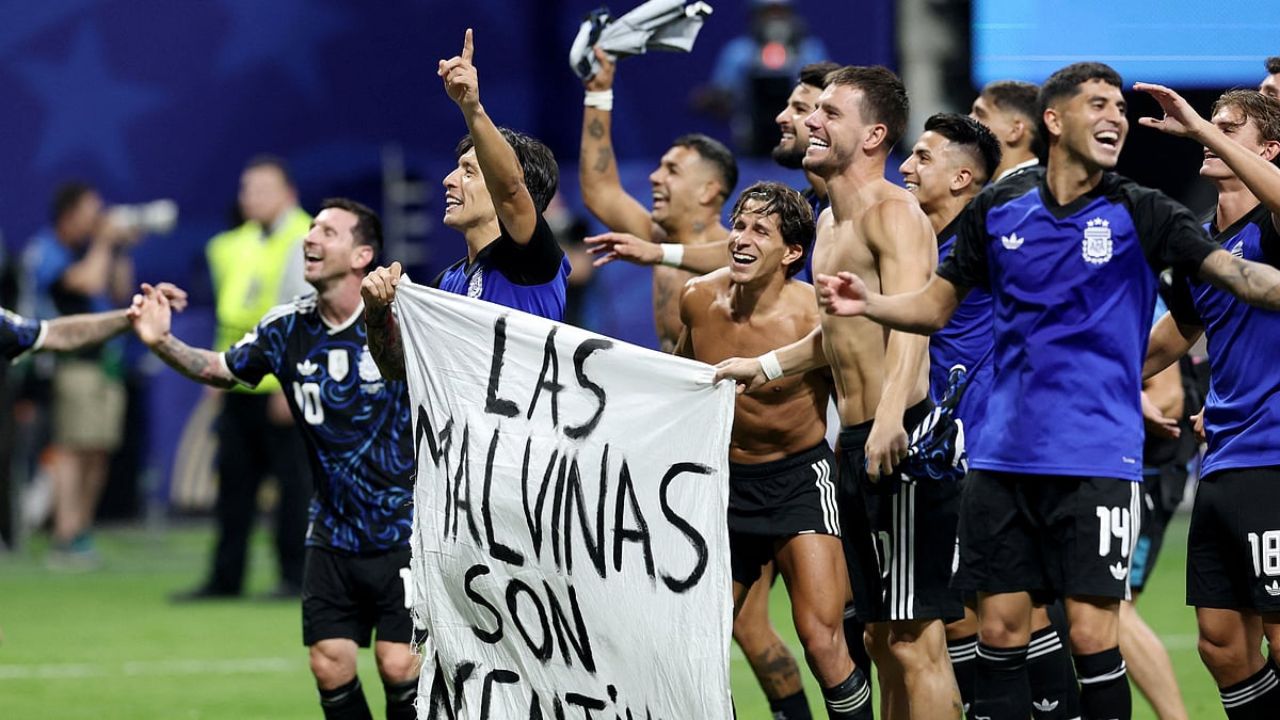
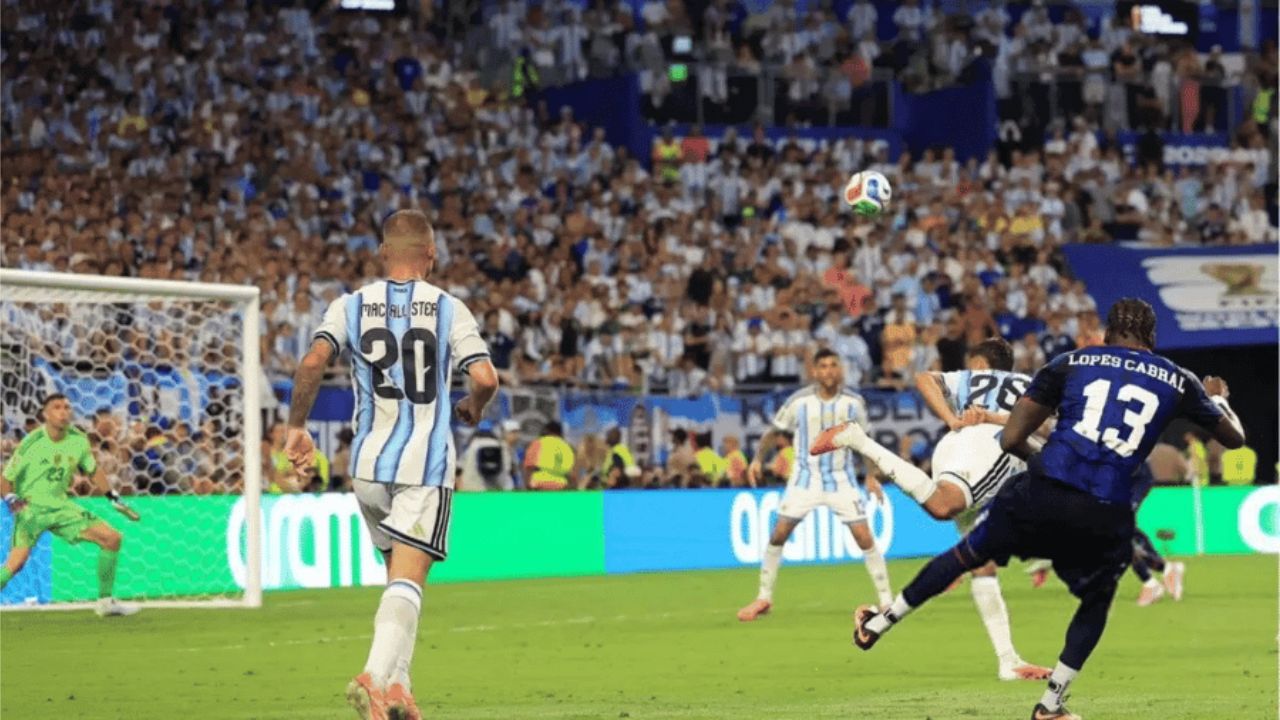

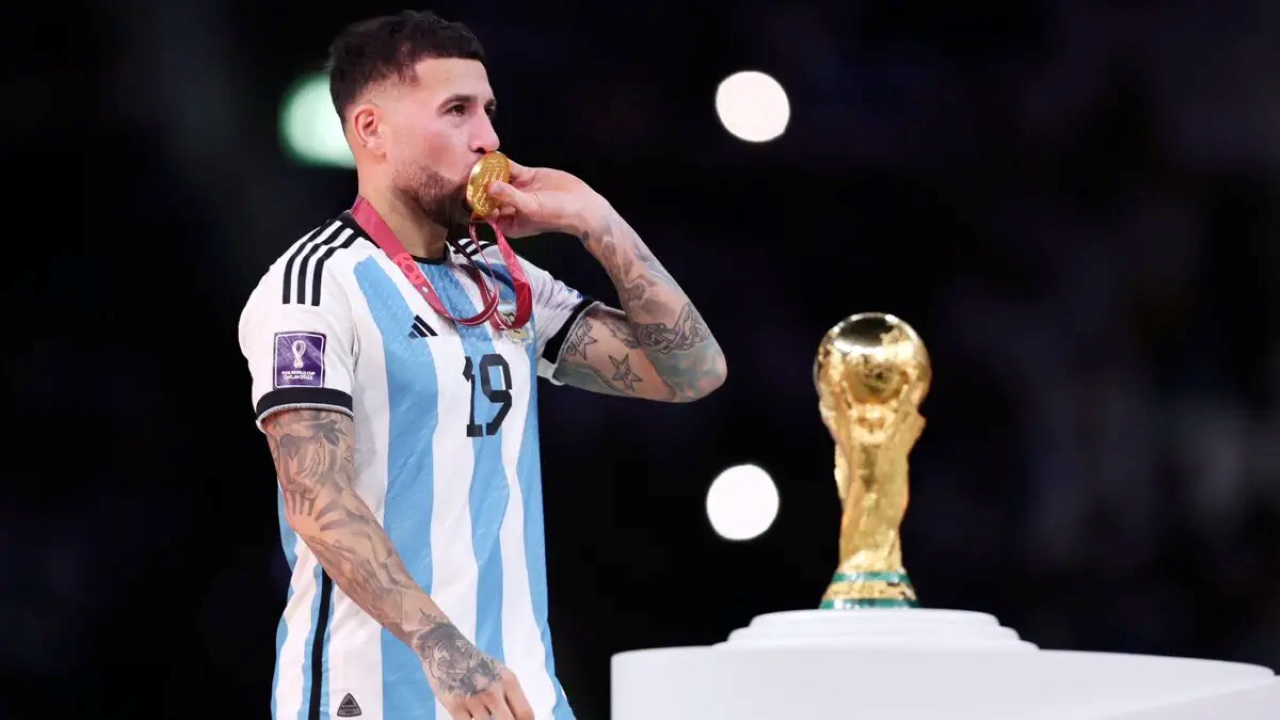
For the tournament’s three co hosts, the story followed a well worn script. The United States, Mexico and Canada combined for a record of nine wins, two draws and just one defeat through the group stage and round of 32, outscoring opponents by 20 goals in the process. The round of 16 brought a swift reversal, with all three eliminated by a combined score of seven goals to nil, England beating Mexico 3-2, Belgium routing the USA 4-1, and Morocco dispatching Canada 3-0.
“We need to get over that next hurdle,” USA forward Christian Pulisic said after his side’s exit. “Trying to compete and beat the world’s best, that’s our next step. There’s still another step that we have to take.” Thierry Henry, working as an analyst for Fox, was blunter still. “Levels. The World Cup is different in the group stage. Unfortunately, one host, two hosts, three hosts, out. That’s exactly what you don’t want at a World Cup. That is annoying for me.”
No CONCACAF nation has reached the World Cup quarter finals since Costa Rica in 2014, and the region’s best modern showing remains the United States reaching the last eight in 2002. Since a rare moment of genuine global diversity at the 2002 tournament, when all five confederations were represented among the quarter finalists, Europe has claimed 30 of the 48 available quarter final places across the six subsequent editions, South America 14, Africa three and North America just one.
Morocco’s blueprint, and its limits
Morocco stand as the exception to the European story, becoming the first African nation to reach consecutive World Cup quarter finals after their historic run to the semi finals in Qatar in 2022. Their success has been built on a dual approach, combining home grown talent developed at the Mohammed VI Academy outside Rabat with players born and raised in western Europe, including captain Achraf Hakimi, born in Madrid, and Brahim Diaz, also a product of Spanish academies. Eighteen of Morocco’s twenty six man squad were born in Europe, a pattern echoed across much of the continent’s African representation, with twenty of DR Congo’s squad, sixteen of Algeria’s and fourteen of Cape Verde’s also born in Europe.
Coach Mohamed Ouahbi, himself of Moroccan descent but raised in Brussels, sees the model as a natural extension of footballing pride rather than a workaround. “Morocco are evolving all the time, as are France. These two teams are even better than they were four years ago, and that was to be expected given the great work being done by both federations,” he said ahead of Thursday’s rematch of the 2022 semi final.
Brazil’s continued curse, Argentina’s continued triumph
Brazil’s exit, at the hands of European opposition yet again, extended an unwanted run stretching back to their last title in 2002, having now lost to the first European side they have faced in the World Cup knockout stage in every tournament since, including this year’s defeat to Norway despite appointing European coach Carlo Ancelotti in an apparent bid to close the gap.
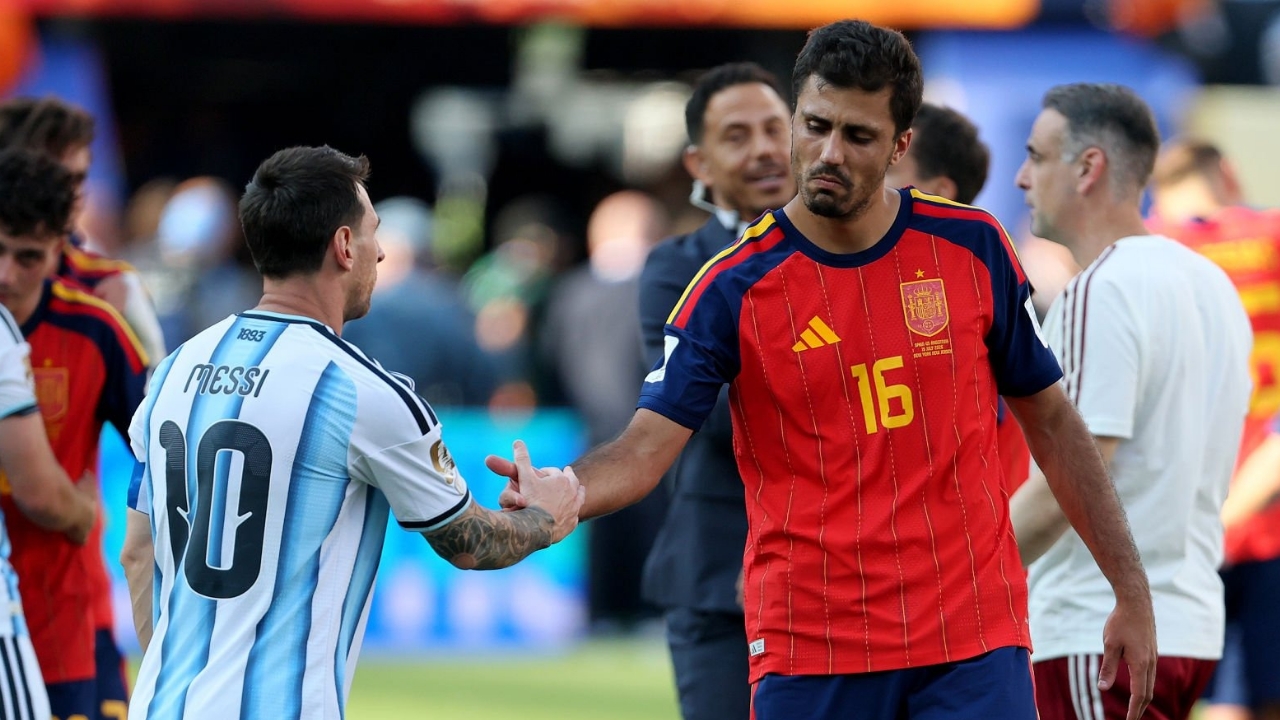
Argentina, by contrast, remain a persistent exception to European dominance, reaching the quarter finals for the fifth time in the last six World Cups. Their comeback win over Egypt, recovering from two goals down, drew accusations of favourable officiating from Egypt coach Hossam Hassan, who suggested organisers wanted Messi’s side to progress. Messi himself pointed to characteristic resilience rather than fortune. “It wasn’t easy to come back from a 2-0 deficit in a World Cup knockout match, especially given how games are going these days, where no one gives you anything for free. But thank God, we did it once again,” he said.
Quarter final picture
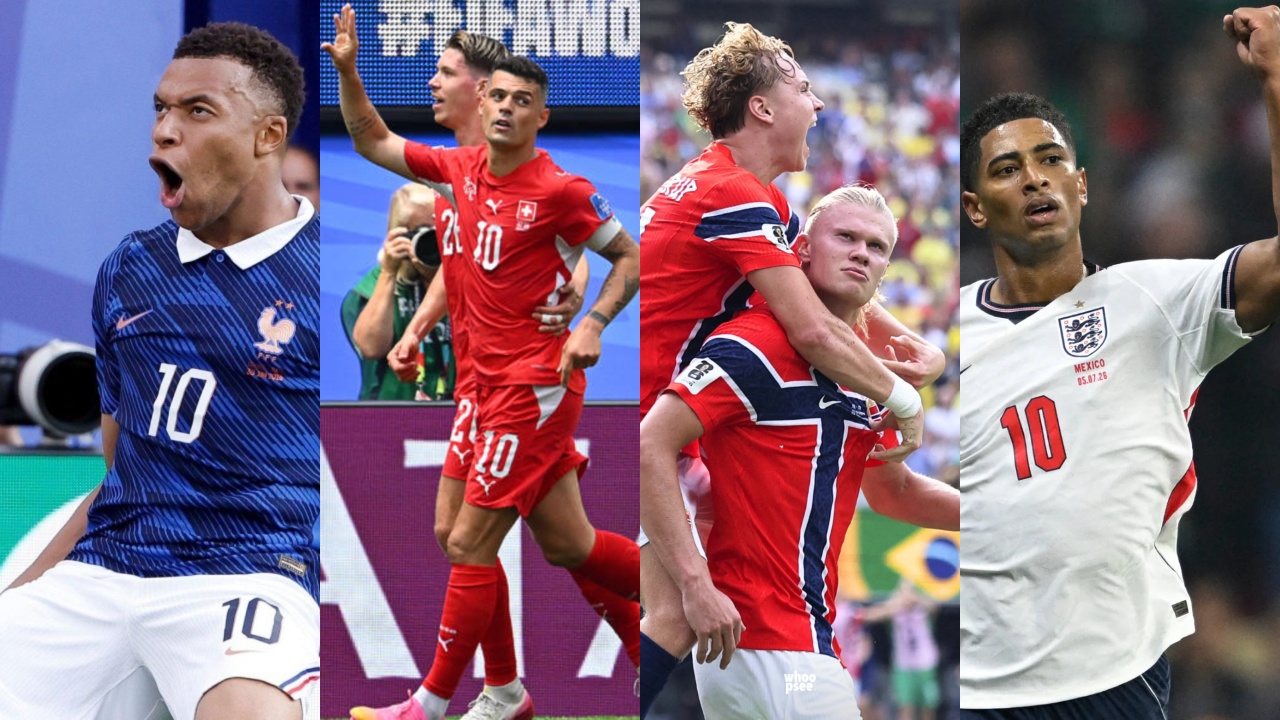
France face Morocco in a repeat of their 2022 semi final, with Kylian Mbappe leading the tournament favourites against an Atlas Lions side buoyed by Azzedine Ounahi’s brace against Canada. Spain, unbeaten and yet to concede at this World Cup, face a Belgium side inspired by Kevin De Bruyne, Romelu Lukaku and Thibaut Courtois in what many expect to be the tightest tie of the round. Norway’s Erling Haaland meets England’s Harry Kane in a duel between two of the tournament’s outstanding forwards, while Argentina face Switzerland, who have reached the last eight for the first time since 1954, with Messi seeking to become the first captain in history to lift the World Cup twice.
Whatever unfolds from here, the broader trend looks unlikely to shift. At the last World Cup held in the United States, in 1994, only one of the eight quarter finalists came from outside Europe. Three decades on, the number stands at two. Football’s centre of financial and developmental gravity remains firmly rooted in western Europe, and history suggests that will not change soon.