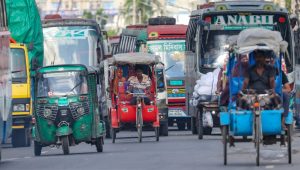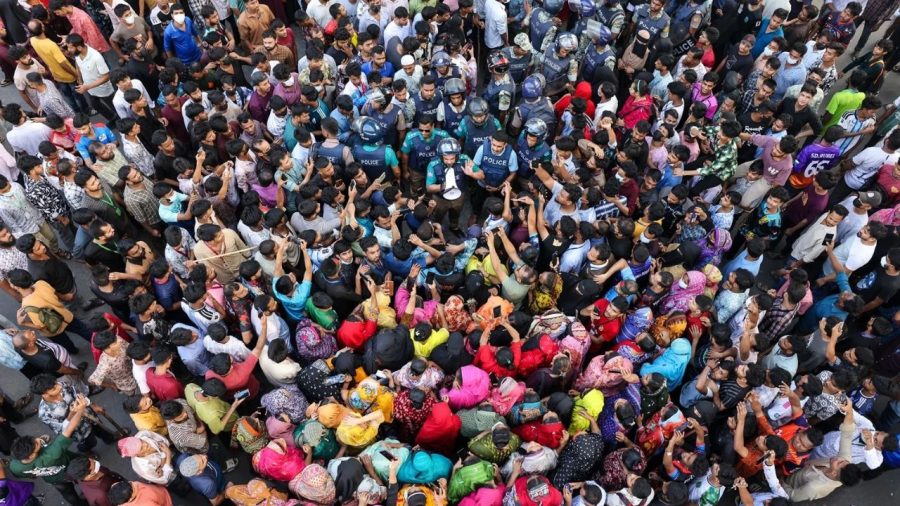



While garment workers are awaiting another wage increase, minimum wages in some other industries have remained unchanged for as long as 16 years. Millions of workers remain outside any minimum wage framework. The Minimum Wage Board determines wages for 62 industrial sectors, but only the garment industry sees regular revisions. With more than four million workers, the sector has witnessed repeated large-scale wage protests, while smaller industries receive little attention because their labour movements are less visible.
Garment workers are now awaiting their sixth wage revision in 16 years. Yet a significant proportion of the country’s nearly 80 million working people are employed in sectors without any minimum wage structure. Even where minimum wages exist, effective initiatives to revise them are largely absent. Labour organisations have long demanded a national minimum wage framework covering all professions and industries. The Labour Reform Commission, formed under the interim government, also recommended such a system. However, neither the interim administration nor the current BNP government has taken meaningful steps to implement it.
According to a report by Daily TIMES of Bangladesh, minimum wages in 16 industrial sectors remain below Tk10,000 a month. These include soap and cosmetics (Tk9,500), security services (Tk9,140), aluminium and enamel products (Tk8,700), glass and silicate products (Tk8,500), printing presses (Tk8,150), plastics and private jute mills (Tk8,000), and rice mills (Tk7,810). Workers in tailoring factories receive Tk7,500, oil mills Tk7,442, and leather goods and footwear factories Tk7,100. The export-oriented shrimp industry has a minimum wage of Tk6,700, almost half the garment sector’s rate. The figures are even lower in automobile workshops (Tk5,930) and match factories (Tk4,562). Unskilled adult and adolescent workers in private industrial establishments receive just Tk2,500, a rate fixed in December 2012. In another 25 sectors, minimum wages range between Tk10,000 and Tk18,000.

Although the Minimum Wage Board says revision processes are underway in several industries, progress remains slow. Some sectors lack representatives in the process, while others are awaiting discussions or government action. This bureaucratic delay leaves workers struggling with wages that have long lost their purchasing power.


A WageIndicator Foundation study covering 207 countries found that 97 countries have minimum wage systems, while 18 have no statutory minimum wage. Several South Asian countries have expanded wage protection. India, for instance, recognised the legal right to minimum wages for formal and informal sector workers from November 2025 and introduced a central wage floor below which states cannot set wages.
In Bangladesh, the Sramik Karmachari Oikya Parishad (SKOP) and the Combined Garment Workers Federation have demanded a minimum monthly wage of Tk30,000. The Labour Reform Commission’s 2025 report also recommended a national minimum wage system covering formal and informal workers, public and private employees, and self-employed individuals. Although experts question whether Bangladesh currently has the economic capacity to introduce a nationwide system, that cannot justify neglecting workers in individual industries.

We believe political parties, including the opposition, must bring workers’ concerns into the national policy debate. The limited visibility of labour movements outside the garment sector should not make their demands any less important. The government must ensure minimum wages in every industry are periodically reviewed in line with living costs. Protecting workers’ rights and securing fair wages require genuine political commitment, not action only when protests erupt.