


Tensions across the Middle East have escalated following fresh US strikes on Iranian defence installations near the strategically vital Strait of Hormuz, even as Washington and Tehran continue diplomatic manoeuvring to prevent a wider confrontation.
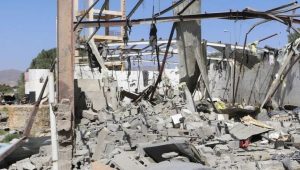
President Donald Trump confirmed that US naval and air forces had carried out precision strikes against Iranian military installations on Qeshm Island, destroying newly deployed anti-aircraft defence systems in the Suza area.
Trump played down the scale of the operation, describing it as a limited engagement in which the targets were eliminated within five to 15 minutes. US military officials said the strikes were intended to prevent Iranian forces from deploying surface-to-air missile batteries against American aircraft and naval assets operating in the Gulf, reports Al Jazeera.
Tehran responded with defiance. Islamic Revolutionary Guard Corps (IRGC) spokesman Brigadier General Hossein Mohebbi said Iran had achieved self-sufficiency in advanced defence technology through indigenous aerospace research.
He claimed Iranian forces had rendered hostile air defence systems inoperable and warned that Tehran was continuing to extend the operational range of its missile arsenal.
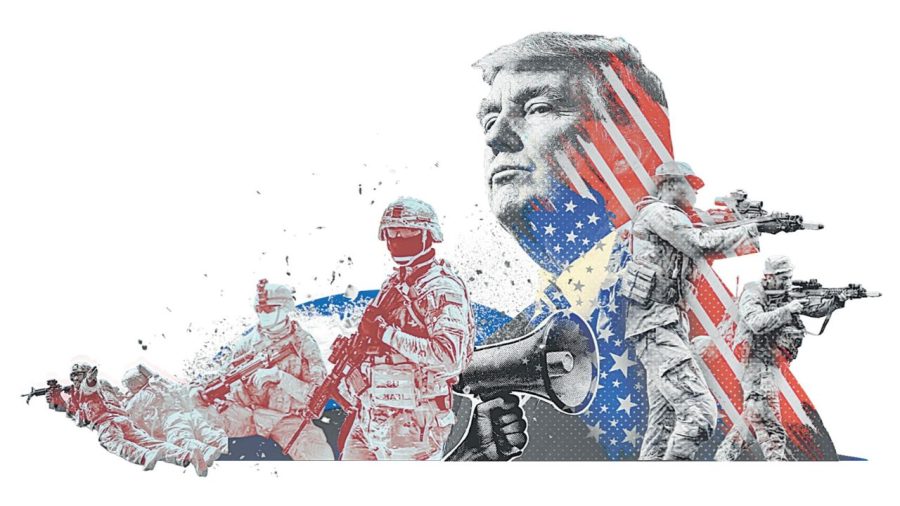
The military confrontation comes as Trump faces a major political setback at home, with Republicans losing control of both the House of Representatives and the Senate to the Democrats in the midterm elections.

Political analysts attribute the electoral backlash partly to public dissatisfaction with the prolonged Iran war and rising global fuel prices, which have added to economic pressure on American households.
“If this war continues, the Republicans are in real danger of losing the White House,” said Mehran Kamrava, professor of government at Georgetown University in Qatar.
He noted that concerns over the 2028 presidential election have created a strong incentive within Washington to bring the conflict to an end.

The electoral defeat has also prompted changes in the White House leadership. Trump replaced Chief of Staff Susie Wiles with senior adviser Stephen Miller following the Republican losses.
The administration is now caught between domestic pressure to end an economically damaging conflict and the hardline positions advocated by influential foreign policy figures surrounding the president.
Trump’s public statements have consequently fluctuated between threats to inflict widespread destruction on Iranian infrastructure and assurances that significant diplomatic progress is being made.
Despite the confrontational rhetoric, diplomatic efforts are continuing behind the scenes.
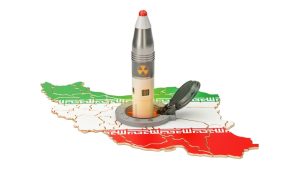
Qatari mediators have submitted a two-day confidence-building proposal, described as a “bridge deal”, to Washington and Tehran. The initiative seeks to halt further escalation and establish a pathway towards formal nuclear negotiations.
The proposed framework sets out three stages:
Day One: Sanctions and nuclear inspections
The United States would suspend its naval blockade of Iranian commercial ports and release part of Iran’s frozen financial assets held abroad under sanctions programmes.

In return, Tehran would immediately grant International Atomic Energy Agency (IAEA) inspectors access to nuclear facilities previously hit by US and Israeli strikes.
Day Two: Reopening the Strait of Hormuz
Iran would temporarily reopen the Strait of Hormuz to international shipping under an interim maritime oversight arrangement coordinated with Oman.
The arrangement would remain in place until a permanent regional maritime agreement could be negotiated.
Following successful implementation of the two-day framework, both countries would begin comprehensive negotiations over Iran’s enriched uranium stockpile and long-term nuclear commitments.
The proposal is intended to establish an initial level of confidence between the two sides before addressing their more contentious differences.
However, Iranian diplomatic officials maintain that formal peace talks cannot begin without key concessions from Washington, including complete sanctions relief, compensation for war-related damage and an immediate halt to US and Israeli military operations across the wider Middle East.