


Karwan Bazar at dawn is a bustling wholesale vegetable market, but by noon it transforms into a busy corporate zone. Every day, thousands of professionals, labourers, and passers-by come here for work.
With limited time and financial constraints, many rush to countless unnamed, low-quality food stalls and restaurants to curb their hunger. But how safe are the foods that satisfy their appetite?
Research shows that in corporate hotspots such as Karwan Bazar, Motijheel, Gulshan, and Banani, these foods—though instantly filling—cause severe long-term health consequences.
Last year, a Bangladesh Food Safety Authority (BFSA) paper titled Microbial Hazards in Street Foods and Risks in Ready-to-Eat Salad Items in Restaurants, presented by Dhaka University’s Centre for Advanced Research in Sciences Chief Scientist Dr Md Latiful Bari, revealed the presence of harmful bacteria and pathogens in Dhaka’s street food.
Even mixed salads from restaurants contain bacteria such as Escherichia coli, Vibrio spp., and Salmonella.
A similar finding appeared in a 2024 international health and medical study titled Microbiological Hazards in Dhaka’s Street Food. Researchers detected pathogens including Escherichia coli, Klebsiella, Pseudomonas, Vibrio, and Staphylococcus aureus in quantities ten to twenty times higher than international safety standards.

Alarmingly, some strains were found to be antibiotic-resistant, making future treatment more difficult.
Contamination appears at every stage of food preparation. From the use of unclean water to cooking, storage, and serving, risks multiply at each step. Dirty hands and towels, unwashed plates, rough paper wrappings, flies, and dust all contribute to bacterial contamination.
These uncontrolled practices significantly increase the risk of severe waterborne disases such as diarrhoea, cholera, jaundice, and other infections.
According to the World Health Organization, nearly 2 billion cases of illness occur globally every year due to foodborne pathogens, causing more than one million deaths. Bangladesh’s reality mirrors this global scenario.




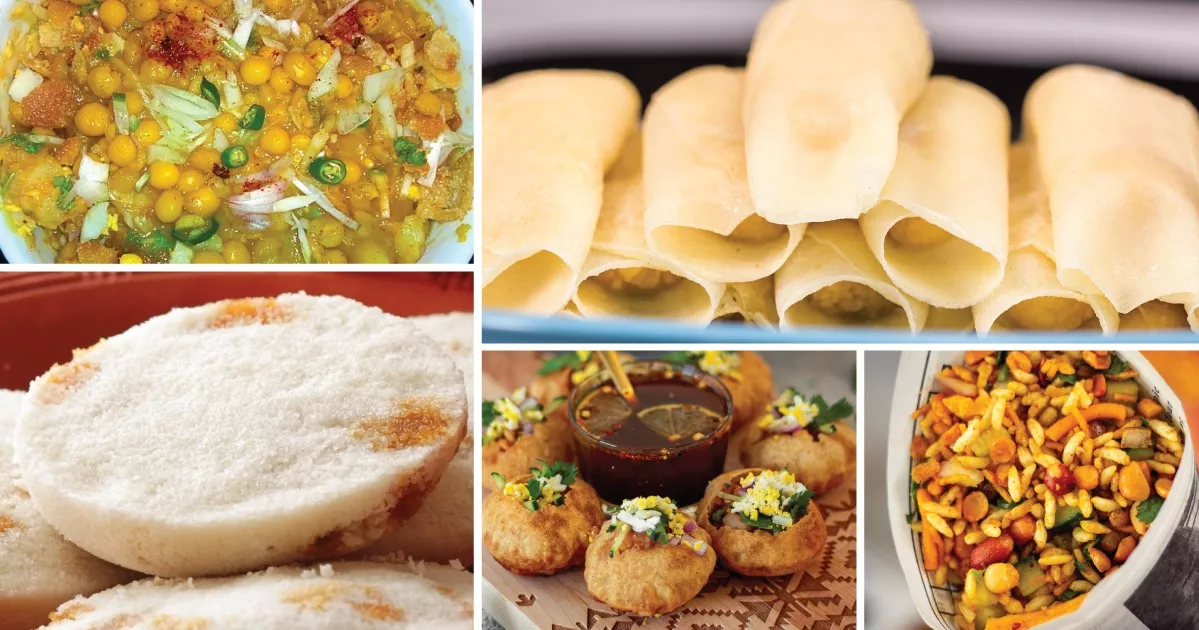
The human cost is equally alarming. Promiti Prova Chowdhury, a journalist working in Dhaka, shared how regularly consuming oily fried food—such as singara, naan, and kebab—during office breaks took a serious toll on her health.
With a hectic work schedule, bringing meals from home was often not possible. Her first meal of the day would frequently come from a small restaurant beside her previous workplace. Healthy options were rarely available, leaving her dependent on such food daily.
“Gradually I started feeling physically unwell,” she said. “Stomach discomfort, acidity, loss of appetite—everything kept getting worse. My weakness increased and my weight dropped significantly. It affected both my work life and my personal life,” she added.
After prolonged treatment and strict dietary restrictions, she eventually recovered. But the long-lasting physical, mental, and financial impacts were profound.
Dr Be-Nazir Ahmed, former director of Disease Control at Directorate General of Health Services (DGHS), expressed concern over these issues.
“Food kept in open environments, the use of unclean water, and the habit of reselling unsold food day after day make these items even more hazardous,” he said.
“Many vendors don’t discard leftover food from the previous day. They sell it again the next day, which increases contamination levels. Such food is simply not suitable for our digestive system,” he added.
Despite structural reforms over the last decade within the national food regulatory system, field-level implementation remains weak. Although the Safe Food Act 2013 came into force in 2015 and the Bangladesh Food Safety Authority (BFSA) was established, visible monitoring of street food remains limited.
Two years ago, the BFSA Director of Food Purity Surveillance and Judicial Activities, Sahadev Chandra Saha, admitted that almost no significant work had been done to regulate street food quality. Apart from a few area-based inspections, activities were minimal.
While the Department of Consumer Rights Protection occasionally conducts mobile court operations, the effectiveness of city corporations’ sanitary teams and food inspection units remains questionable.
Why are people still eating unsafe food?
Recent economic research shows how costly healthy food has become relative to people’s income.
A study by Dhaka University’s Institute of Nutrition and Food Science (INFS) on “Daily Recommended Nutritious Food Expenditure” found that an individual’s daily food cost ranges from Tk83 to Tk276 per meal. Nearly 43% of households cannot afford this.
A policy brief published in November 2024 by Foresight4Food similarly stated that although demand for nutritious food exists, many people simply cannot afford it. Without transforming the current food system and adopting nutrition-sensitive policies, the price of healthy food will remain out of reach. As a result, a large portion of the population remains unable to consume healthy meals.
The mismatch between rising food prices and the stagnant income levels of low- and middle-income families has made nutritious food nearly unattainable. When individuals struggle to manage expenses such as rent, transport, and daily necessities, cheap but unhealthy street food becomes their primary fallback option.
Thus, in busy urban areas, these inexpensive but unsafe meals become a forced alternative—popular not by choice, but by necessity. Their growing consumption continues to inflict irreversible damage on public health.