The Directorate General of Health Services (DGHS) has supplied enough anti-venom injections to all district hospitals and upazila health complexes across the country in anticipation of the monsoon season.
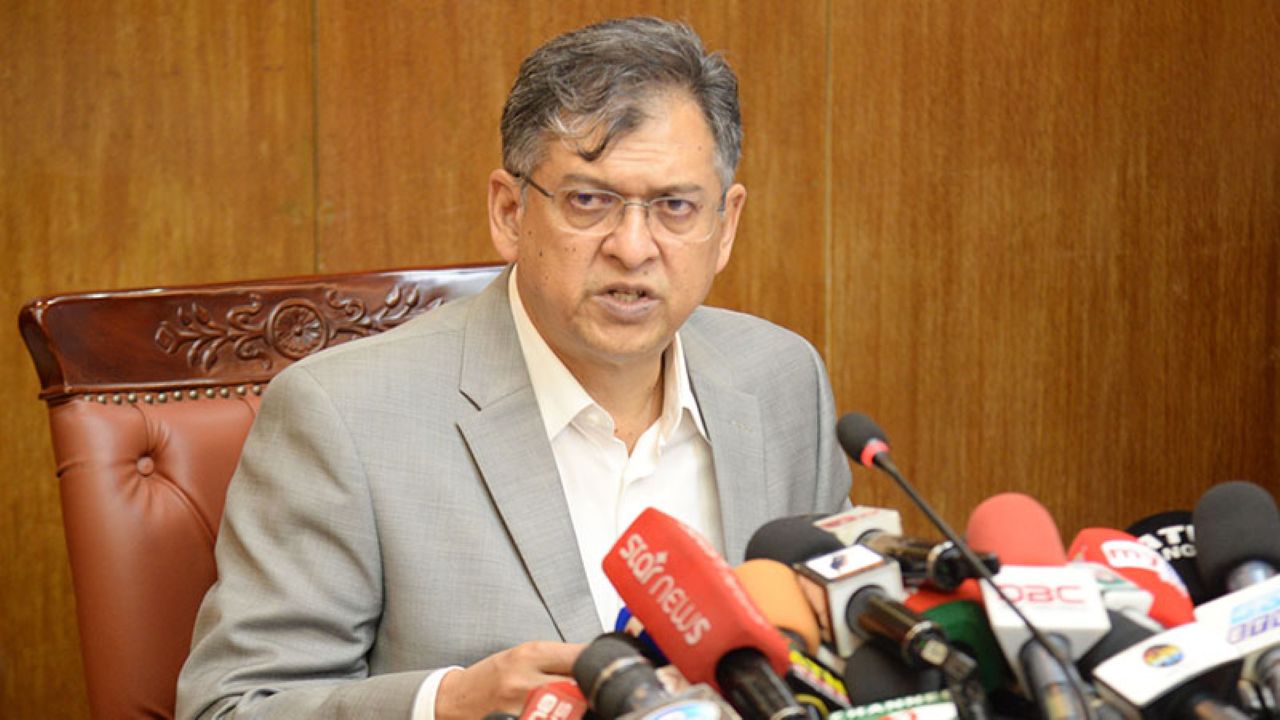
Md Halimur Rashid, line director of the DGHS Disease Control Unit (CDC), said snakebite patients will now be able to receive anti-venom treatment immediately upon reaching upazila health complexes, reports BSS.
He further said the DGHS has provided anti-venom to every district and upazila facility and continues to conduct regular training for physicians.

In Nilphamari, Dimla Upazila Health and Family Planning Officer Dr Rashedduzzaman confirmed that the local health complex maintains an adequate stock.
Similarly, Sylhet Deputy Civil Surgeon Dr Janmejoy Datta told BSS that stocks are ready in the Sadar hospital and all upazila complexes to manage the seasonal rise in snakebite cases. Doctors at the upazila level have also received specialised training to provide proper care to patients.




Rangamati Civil Surgeon Dr Nuyen Khisa echoed these findings, confirming sufficient supplies throughout the district’s Sadar hospital and upazila health complexes.
He urged the public to avoid traditional healers like ojhas or kabirajs and instead seek free anti-venom treatment at upazila health complexes immediately after a bite.
According to a World Health Organization report, approximately 5 million people are bitten by snakes annually worldwide, with venom entering the bodies of 2.5 to 2.7 million victims.
This results in nearly 150,000 deaths and leaves about 500,000 individuals with permanent disabilities or blindness. The highest incidence rates are observed in densely populated areas of Africa and South and Southeast Asia.
A study by DGHS Non-Communicable Disease Control Unit reveals that approximately 403,000 people are bitten by snakes annually in Bangladesh, leading to 7,511 deaths. One-quarter of these incidents involve venomous snakes.
The research indicates that 10.6 per cent of victims suffer physical disabilities, while 1.9 per cent experience mental health issues. Notably, 95 per cent of victims reside in rural areas, and men face a 1.4 times higher risk of snakebite than women.