



Chattogram Water Supply and Sewerage Authority (Wasa) has undertaken a Tk4,380 crore mega project to tackle rising salinity in the Karnaphuli River and ensure uninterrupted water supply during the dry season.
The project, titled “Relocation of Intake of Mohra Water Treatment Plant and Expansion of Production Capacity to Address Salinity”, will be financed by the Republic of Korea’s Economic Development Cooperation Fund, officials said.
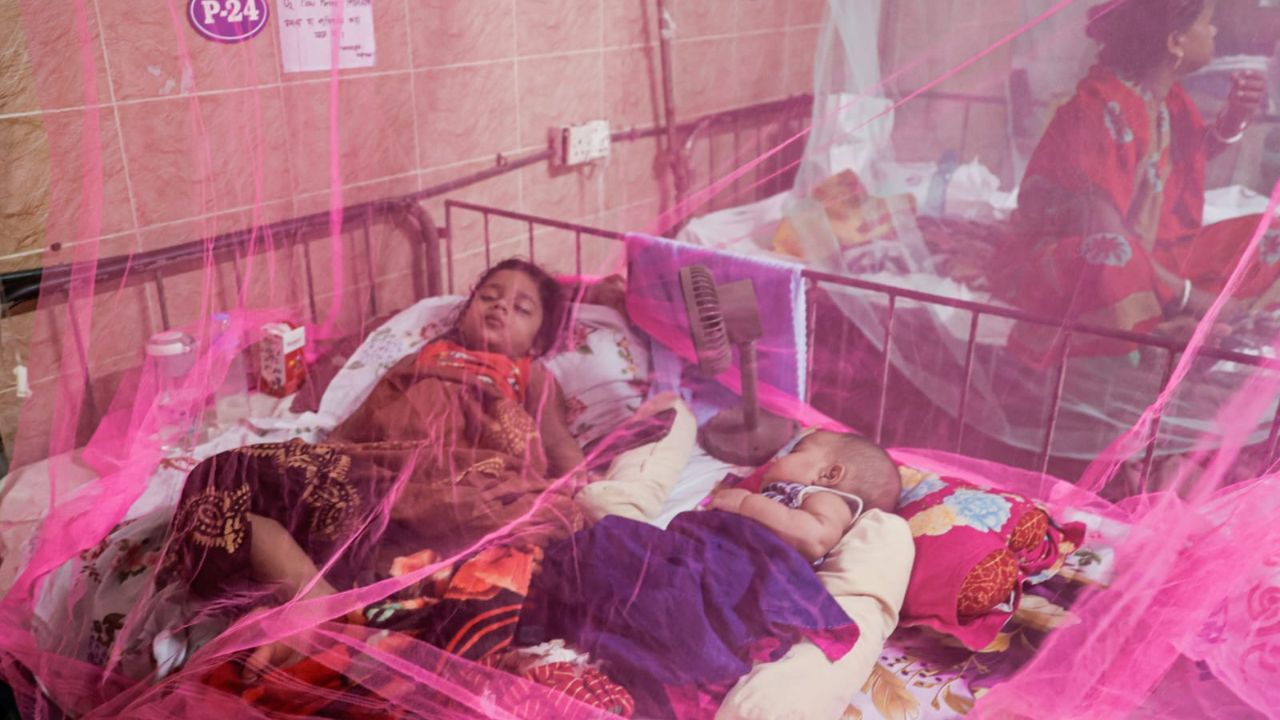
Even before the peak dry months, the port city has begun facing shortages of safe drinking water as rising salinity and low river flow have reduced daily production by 60 to 70 million litres. Residents in several areas are already experiencing low pressure and irregular supply.

Currently, around 466 million litres of water are treated daily from the Halda and Karnaphuli rivers. However, in April and May, when water discharge from the Kaptai Dam declines, saline seawater moves upstream, affecting the intake points of the Mohra and Madunaghat treatment plants.
Chloride levels sometimes reach nearly 5,000 parts per million, disrupting the treatment process.


Under the new project, Wasa will set up a new intake station upstream on the Karnaphuli River to collect comparatively less saline water throughout the year. A new 200 million litres per day (MLD) treatment plant will also be constructed at Mohra.
The project further includes a 630 MLD raw water pumping station, an 810-metre pipeline beneath the Karnaphuli riverbed, a new reservoir and distribution lines in the Bayezid Bostami area, and a 50 MLD pre-settlement buffer.
Officials warn that climate change and reduced dry-season flow may worsen salinity in future, while demand is projected to rise to 630 MLD by 2032 and 1,220 MLD by 2042.
Wasa Chief Engineer Maksud Alam said the feasibility study is expected to be completed between May and June, after which a Development Project Proposal (DPP) will be prepared.
He expressed hope that the project would provide a long-term solution to the city’s recurring salinity crisis.