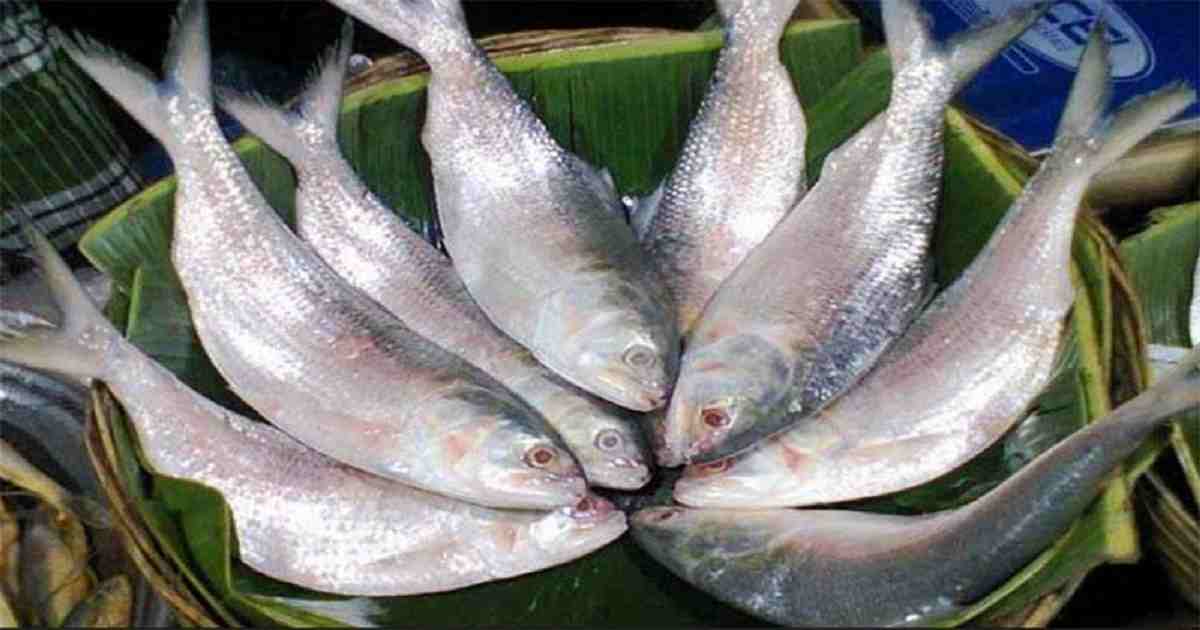



The flagship Hilsha Resource Development and Management Project was launched to boost production of Bangladesh’s national fish. But five years and Tk173.81 crore later, the country’s most expensive fisheries initiative has yielded the opposite result — declining catches, frustrated fishermen, and growing allegations of corruption and waste.
According to the Department of Fisheries, hilsha production in fiscal 2024–25 dropped to 504,288 tonnes, down from 550,000 tonnes recorded before the project began in 2019–20. The project had aimed to raise output by 70,000 tonnes within four years, reaching 620,000 tonnes. Instead, the gap between target and achievement has widened to 116,000 tonnes — a glaring measure of failure.
‘Natural causes,’ claim officials
Project officials insist the decline is largely due to environmental factors. Deputy Project Director Mohammad Nasir Uddin said rivers have lost navigability and depth, reducing hilsha migration routes.
“The rivers are polluted, silted up, and dotted with shoals,” he explained. “There isn’t enough depth for hilsha to move from the sea into the rivers. That’s why their numbers have dropped.”
Yet fishermen experts and communities living along the coasts and rivers see it differently. They point to weak enforcement, flawed beneficiary lists, and mismanagement that have undercut any benefits the project might have achieved.
A shrinking budget but swelling expenses
When launched in 2020, the Hilsha Resource Development and Management Project carried a budget of Tk246 crore, later raised to Tk276 crore as its timeline was extended. Recently, it was granted another one-year extension — this time with a reduced allocation of Tk229 crore.
Government records show that of the first five years’ spending, Tk41.13 crore went on salaries, vehicles, boats, maintenance, and fuel. In other words, a quarter of the budget has been absorbed by administrative overheads rather than direct conservation efforts.

Another Tk132.67 crore was spent on law enforcement, awareness campaigns, and support for fishermen — though these activities, according to field reports, often failed to reach the people who needed them most.
‘A system built for corruption’
At the heart of the controversy lies the distribution of aid materials and so-called “fisherman cards.” Documents show Tk108.84 crore spent on training and distributing nets, cows, and other materials to registered fishermen. But on the ground, the process is widely regarded as a racket.
At Matirhat fish landing station in Lakshmipur, trader Humayun Kabir described a “system built for corruption.”
“Local chairmen, members, and fisheries officers run the card distribution with bribes,” he said. “Only their preferred people get the aid. For a single fishing net, bribes can go up to Tk5,000.”



Fishermen from Chandpur to Hatiya echoed similar accounts — saying real fishermen were often excluded while influential locals collected benefits.
Lakshmipur’s Senior Fisheries Officer Turjo Saha admitted, “The lists are provided by local chairmen and members, though they are verified by the upazila committee.”
In Chandpur, fisherman Ismail Hossain said bluntly, “We never received training or equipment. Those who did aren’t genuine fishermen.”
Officials privately admit that 10–20 per cent of beneficiary lists contain errors, though project heads insist they act on specific complaints.
Deputy Project Director Mohammad Mamunur Rashid Chowdhury said, “We cannot go beyond the approved list. If there are verified complaints, action is taken.”
Awareness that reaches no one
The project allocated millions for community engagement and awareness to prevent the catching of jatka (hilsha fry) and mother fish during breeding seasons. But many local leaders said they had never heard of such programmes.
“I’ve never been invited to any awareness meeting,” said Alam Dewan, a ward member in Vedarganj upazila of Shariatpur.
Officials in Barishal and Shariatpur admitted that campaigns are limited to major fish landing sites — far from the remote fishing communities most in need of outreach.
Md Jamal Hossain, a senior fisheries officer in Barishal, conceded that “perhaps not all areas are reached.”
Project Director Molla Emdadullah acknowledged the shortcomings. “We hold one awareness seminar at the upazila level and another at the union level within sanctuary areas. It’s not possible to go everywhere. Expanding the campaign’s scope would certainly help.”
Uneven enforcement, unequal punishment
The project has also poured money into enforcement — Tk13.37 crore for law enforcement, Tk5.44 crore for joint operations, and Tk4.59 crore for awareness drives. But the effectiveness of these operations is in question.
“Some areas face strict drives; others see none,” said Aminul Islam Tuhin Hawlader, adviser to a fish market in Charfesson, Bhola. “Poor fishermen get jailed, while big illegal operators escape untouched.”
Department of Fisheries official Firoz Ahmed said access to remote regions remains limited.
“Many fishermen still operate secretly during the ban, especially when fish are abundant,” he said, “but the number of violators doesn’t exceed 10 per cent.”
Yet fishermen from Lakshmipur, Chattogram, and Bhola complained that foreign trawlers often catch hilsha deep in the sea while Bangladeshi authorities look the other way.
Project Director Molla Emdadullah conceded, “We face limitations in conducting drives. Monitoring must extend beyond rivers into the sea.”