Bangladesh currently holds a historic high fuel reserve of approximately six weeks, a level comparable to European standards, State Minister for Power, Energy and Mineral Resources Anindya Islam announced on Friday.
Following an inspection of the country’s sole state-owned oil refinery at 10am, the state minister briefed journalists at the Eastern Refinery PLC (ERL) conference room, saying that existing stock levels would be sufficient to ensure fuel supply until at least May.
Addressing current supply pressures, the minister revealed that regional instability in the Middle East has caused two crude oil shipments to become stranded, creating uncertainty in the supply chain and placing pressure on ERL’s production.
However, he noted that initiatives to collect oil from alternative sources are in progress, with shipments expected to arrive next month.

To bolster long-term energy security, the government is moving forward with plans to install a second unit at the Eastern Refinery. An international tender will be invited next month, with a target to begin experimental operations by 2029.
The project, which aims for visible implementation within the government’s current term, is expected to significantly increase crude oil refining capacity and facilitate the diversification of fuel sources.



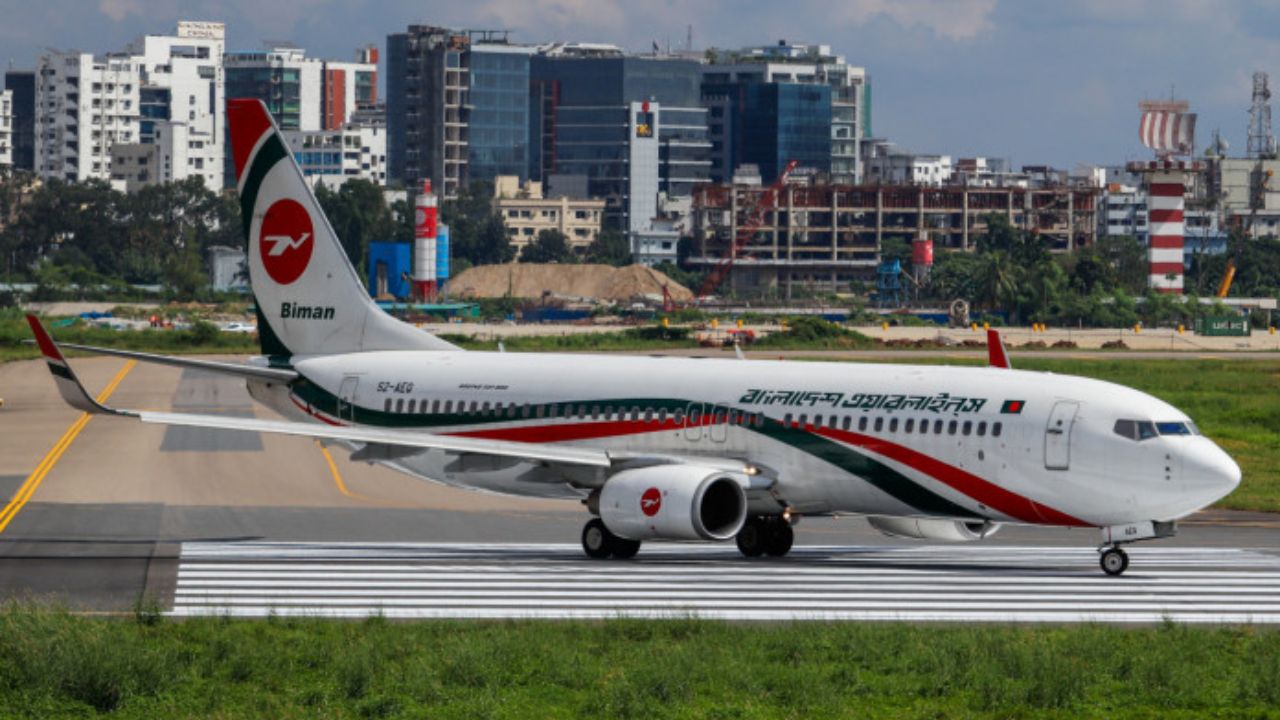
Established in 1968, ERL currently has an annual refining capacity of 1.5 million metric tonnes. The refinery has long relied on Saudi Arabia and the United Arab Emirates for its crude oil supply.
“By reducing dependence on the Middle East and creating opportunities to refine crude oil imported from various other countries, it will be possible to mitigate the impact of global market volatility or regional crises,” Anindya Islam stated.
Regarding current operations, ERL Managing Director Md Sharif Hasnat reported that while activities in two units are presently suspended, the production of petrol and bitumen remains ongoing. He also noted that a vessel carrying 100,000 tonnes of crude oil from Saudi Arabia’s Yanbu port is scheduled to arrive this month.
State minister also addressed the ongoing pressure on the power sector, noting that on Thursday evening, electricity demand was approximately 15,350 MW higher than usual, resulting in 481 MW of load-shedding. In Chattogram city, load-shedding reached a maximum of 35 MW in various areas around 9pm.
The crisis is primarily attributed to supply shortages of gas, coal, and Liquefied Natural Gas (LNG), with constraints in Qatar a major supplier affecting Bangladeshi imports.
In response, the government has reprioritised fuel supplies to ensure uninterrupted agricultural production during the Boro season and to keep industrial production active to protect employment.
“As a result, supply to the domestic sector has been slightly reduced, which is a planned strategic decision,” the State minister explained. He further highlighted the introduction of a ‘fuel card’ system designed to enhance transparency and control in distribution.
Energy Secretary Md Saiful Islam and Joint Secretary Monir Hossain Chowdhury, among other officials, were present during the inspection.