The Climate Justice Alliance, Bangladesh (CJA-B) has called for just, inclusive and informed outcomes at the upcoming 30th Conference of the Parties (COP 30), scheduled to be held in Belem from 10 to 21 November 2025.
Led by the Center for Participatory Research and Development (CPRD), the alliance – a platform of more than 50 national and international organisations – expressed strong concern over the slow and inadequate progress of state-led global climate governance under the United Nations Framework Convention on Climate Change (UNFCCC).
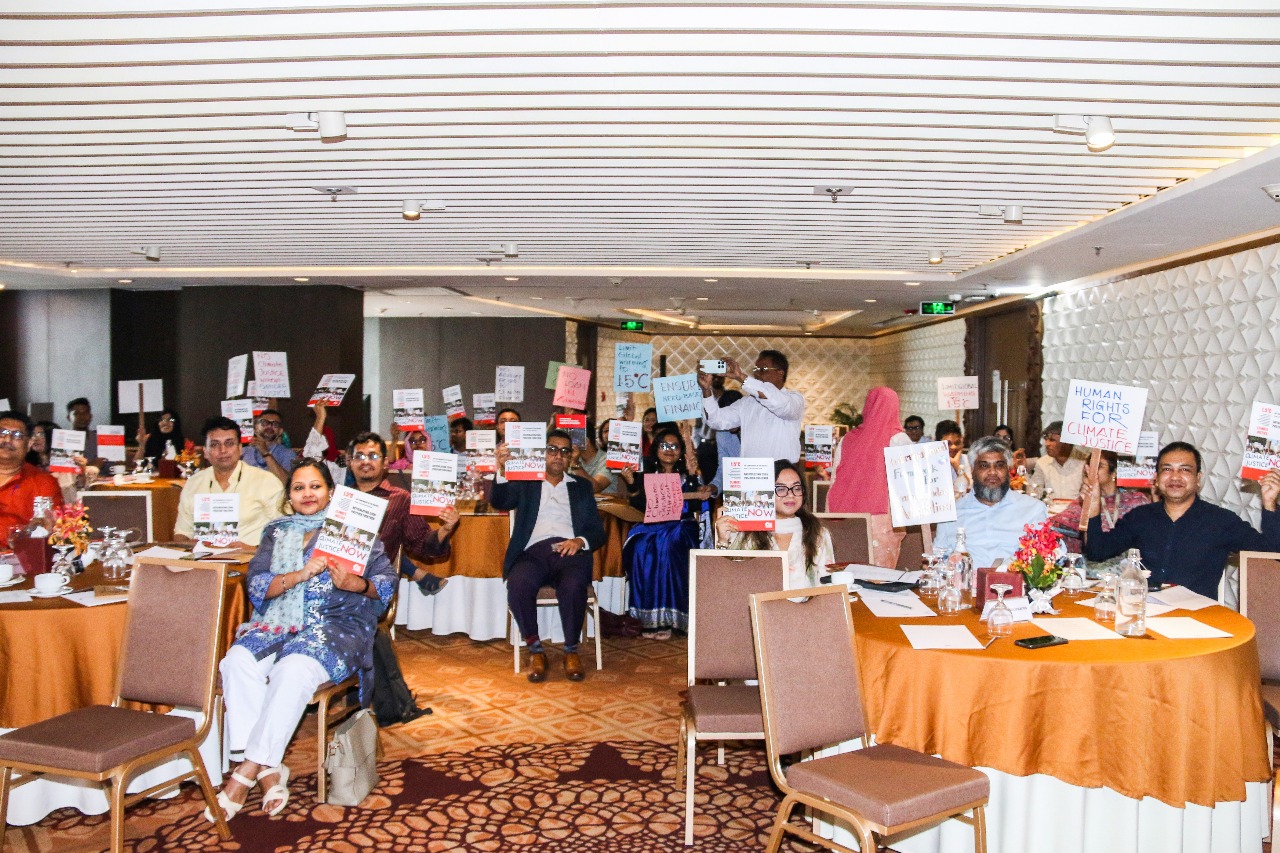
The call came at an event titled “30th Conference of the Parties: Articulating CSOs Position Together,” held at Crowne Plaza Hotel in Dhaka on Sunday. Civil society organisation (CSO) leaders, climate experts, policymakers, journalists and youth representatives gathered at the event to launch the CSO Position Paper for COP 30.

Through the position paper, Bangladeshi CSOs urged global leaders and heads of state to uphold their Paris Agreement commitment of limiting global temperature rise to 1.5 degrees Celsius.
They also demanded adequate means of implementation – including finance, capacity-building and technology support – for developing nations to adapt to the impacts of climate change and contribute to emission reductions.




The platform noted that the spirit of multilateralism in tackling global crises is declining, urging COP 30 to rebuild that spirit by prioritising collective global interests over narrow nationalism. The alliance further appealed to world leaders to act ambitiously and “not to fail again.”
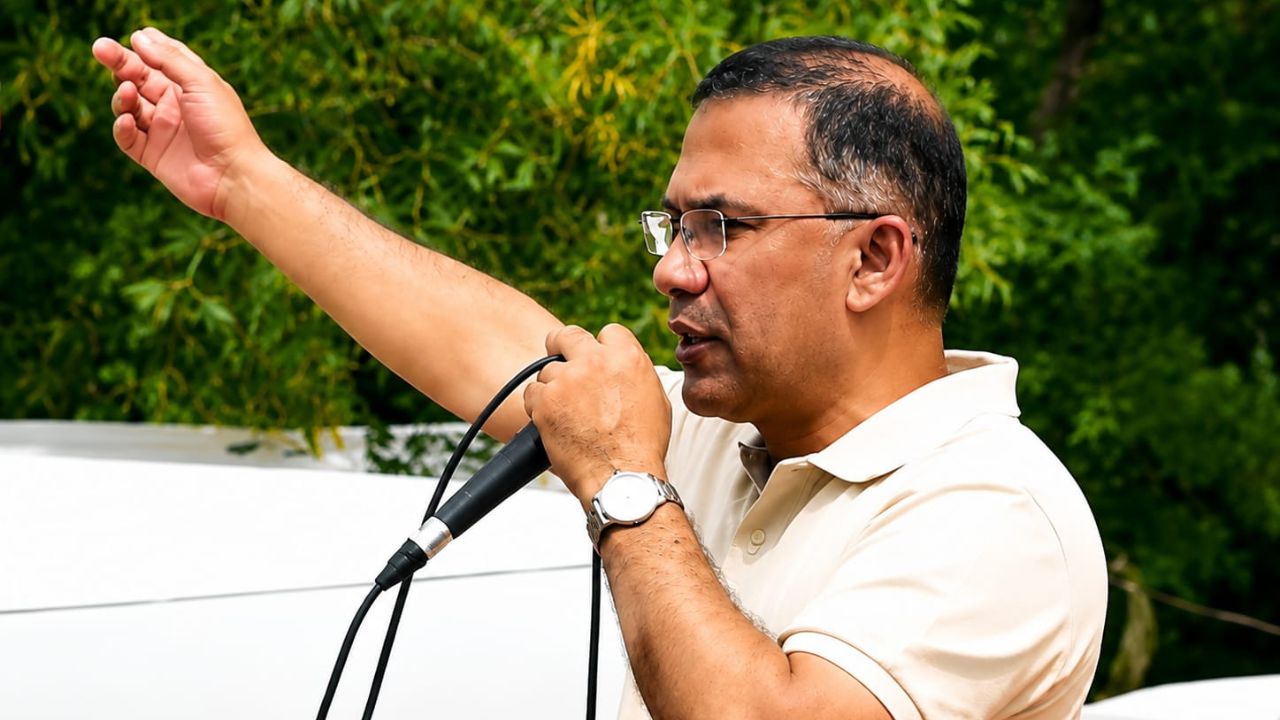
On behalf of CJA-B, Sheikh Nur Ataya Rabbi, assistant manager (Research and Advocacy) of CPRD, presented the key CSO positions.
Md Shamsuddoha, Chief Executive of CPRD and National Coordinator of CJA-B, facilitated the discussion, while Dr Fazle Rabbi Sadek Ahmed, Deputy Managing Director of PKSF and Least Developed Countries (LDC) Lead Negotiator for Climate Finance, attended as a special guest.
Among the alliance members present were Nuzhat Jabin, Country Director of Christian Aid Bangladesh; Talha Jamal, Country Director of Islamic Relief Bangladesh; Hasin Jahan, Country Director of WaterAid Bangladesh; Manish Kumar Agrawal, Country Director of Concern Worldwide; Mohammad Akmal Shareef, Country Director of Action Against Hunger Bangladesh; and Shaheen Anam, MBE, Executive Director of Manusher Jonno Foundation. They shared their perspectives on the COP process and urged for rights- and justice-based outcomes at COP 30.
Key demands of CJA-B from COP 30
- The “Baku to Belem Roadmap to 1.3T” must send a strong political signal for adequate climate action financing, prioritising public, grant-based, and highly concessional finance for developing nations. COP 30 must ensure transparent implementation of developed countries’ financial obligations under Article 9.1 of the Paris Agreement.
- The new or revised Nationally Determined Contributions (NDCs 3.0) must include ambitious mitigation targets aligned with the 1.5°C pathway. COP 30 should strengthen the Mitigation Work Programme, shifting from dialogue to implementation with clear environmental integrity.
- Parties must finalise a robust indicator framework for the Global Goal on Adaptation (GGA) and operationalise the Baku Adaptation Roadmap by linking global targets with scaled-up finance, technology, and capacity-building support for developing nations.
- COP 30 should establish Loss and Damage as a permanent agenda item and secure long-term financing under the New Collective Quantified Goal (NCQG). Coordination among the Warsaw International Mechanism, Santiago Network, and the Fund for Responding to Loss and Damage must be enhanced.
- The conference must adopt immediate measures to translate Global Stocktake (GST-1) outcomes into action, particularly by addressing resource mobilisation gaps.
- COP 30 must adopt an Action Mechanism for Just Transition to ensure transitions that safeguard the rights of vulnerable groups and remain sustainable.
- The conference must also adopt a strengthened Gender Action Plan with dedicated resources and measurable outcomes. Gender equality, Indigenous rights, and human rights should be mainstreamed across all UNFCCC processes, including NDCs, National Adaptation Plans (NAPs), and Long-Term Low-Emission Development Strategies (LT-LEDs).
Representatives of CJA-B concluded by urging COP 30 to become a turning point – one that moves from promises to concrete actions protecting lives, restoring ecosystems, and ensuring justice for those most affected by climate change.