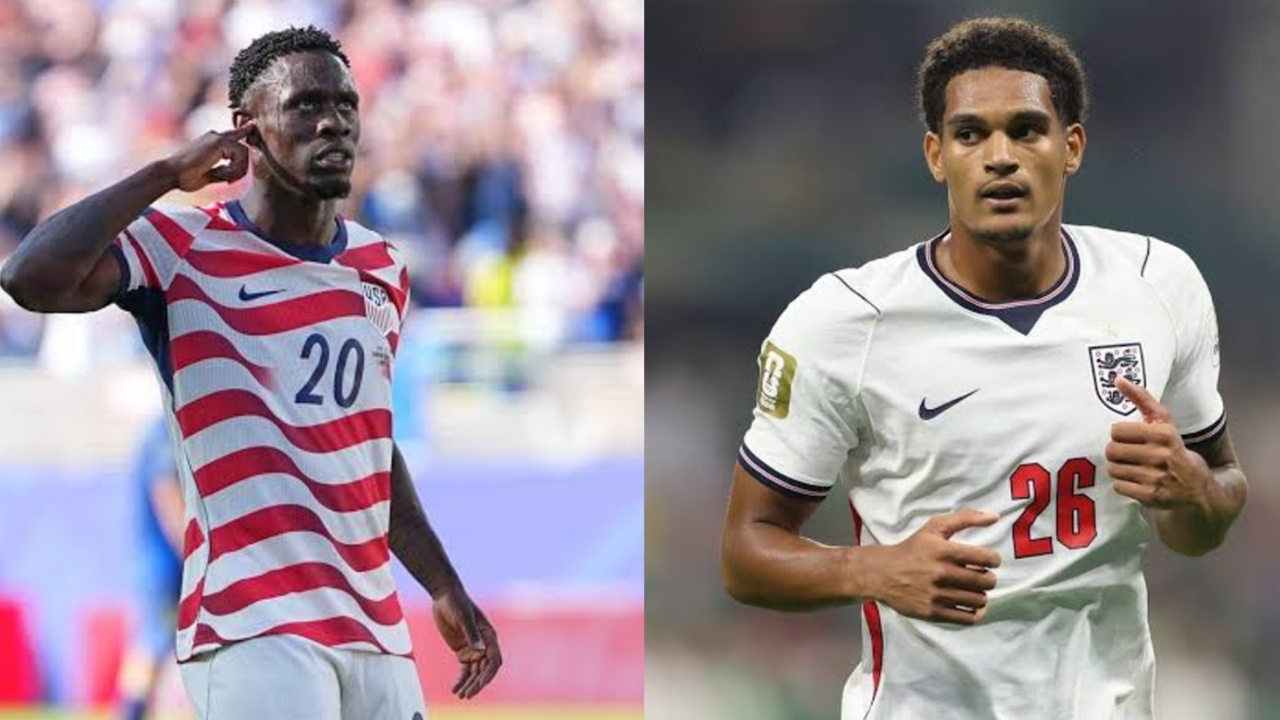

FIFA’s handling of two World Cup red card cases came under renewed scrutiny on 9 July, after England defender Jarell Quansah received a two match suspension while United States striker Folarin Balogun avoided an immediate ban for a broadly similar challenge, leaving former international referees unable to reconcile the two outcomes.
Quansah was sent off during England’s round of 16 win over Mexico after a video review deemed his sliding, studs up challenge serious foul play. He was subsequently handed a two match ban that England’s Football Association said it had no grounds to appeal.
Balogun, by contrast, was dismissed during the United States’ round of 32 win over Bosnia and Herzegovina and initially received a one match suspension, which FIFA later chose to suspend entirely. FIFA said the ban had been suspended on probation for one year under Article 27 of the disciplinary code, though it has not publicly explained why that particular sanction was considered appropriate in Balogun’s case.

The controversy intensified further after it emerged that US President Donald Trump had personally urged FIFA president Gianni Infantino to review Balogun’s case, even though FIFA maintained the conversation played no part in its eventual decision. Former referee Keith Hackett was scathing in his assessment on social media. “FIFA have failed in their duty towards the game after they delayed the ban for Balogun. They allowed outside interference by the president,” he wrote. “FIFA the major lawmaker are at fault. But both players committed serious foul play challenges sanctioned by a red card.”
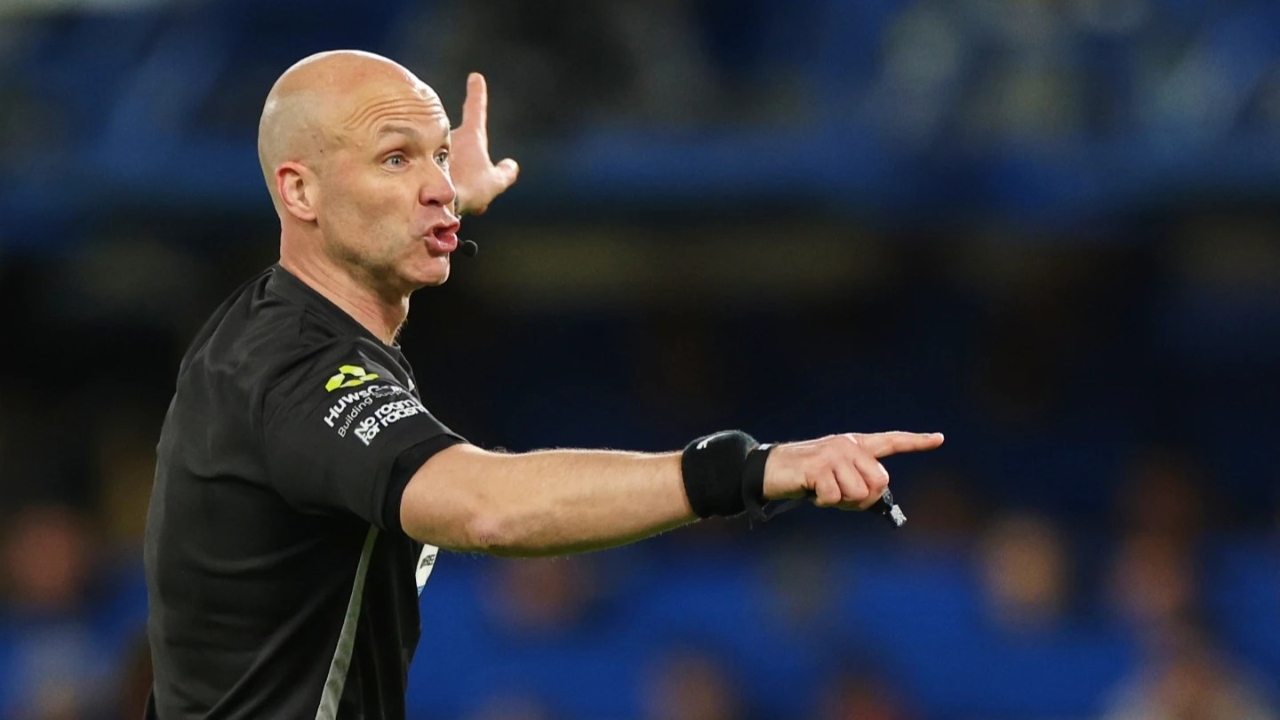
Jonas Eriksson, a FIFA referee for 16 years from 2002, said the two incidents were of roughly equal intensity and should therefore have resulted in matching sanctions. “What everyone wants from referees, they want the correct decisions, yes, but more important always is consistency,” Eriksson told Reuters. “That you identify, okay, player A gets the same sanction as player B, team A gets the same sanction as team B. That’s what you expect. And this is not the case when it comes to Quansah and Balogun.”
British media were quick to draw comparisons between the two rulings, with The Independent running the headline, “FIFA confirms Jarell Quansah ban just days after Folarin Balogun reprieve.” Eriksson said FIFA’s failure to properly explain the reasoning behind suspending Balogun’s ban had only added to the confusion surrounding the case. Belgium had separately and unsuccessfully challenged Balogun’s eligibility ahead of their round of 16 victory over the United States, yet FIFA has still not clarified publicly why it opted to suspend his ban under Article 27.
“If you’re not able to communicate how they interpret the situation, was it an incorrect decision of the referee or was it the wrong application of the laws of the game, we don’t know,” said Eriksson, whose book House of Cards examines the inner workings of officiating within FIFA. “It’s just for you and me and for everybody else to guess. But with that in mind, the red card for Quansah and the suspension is for me, just, it’s a mystery.”