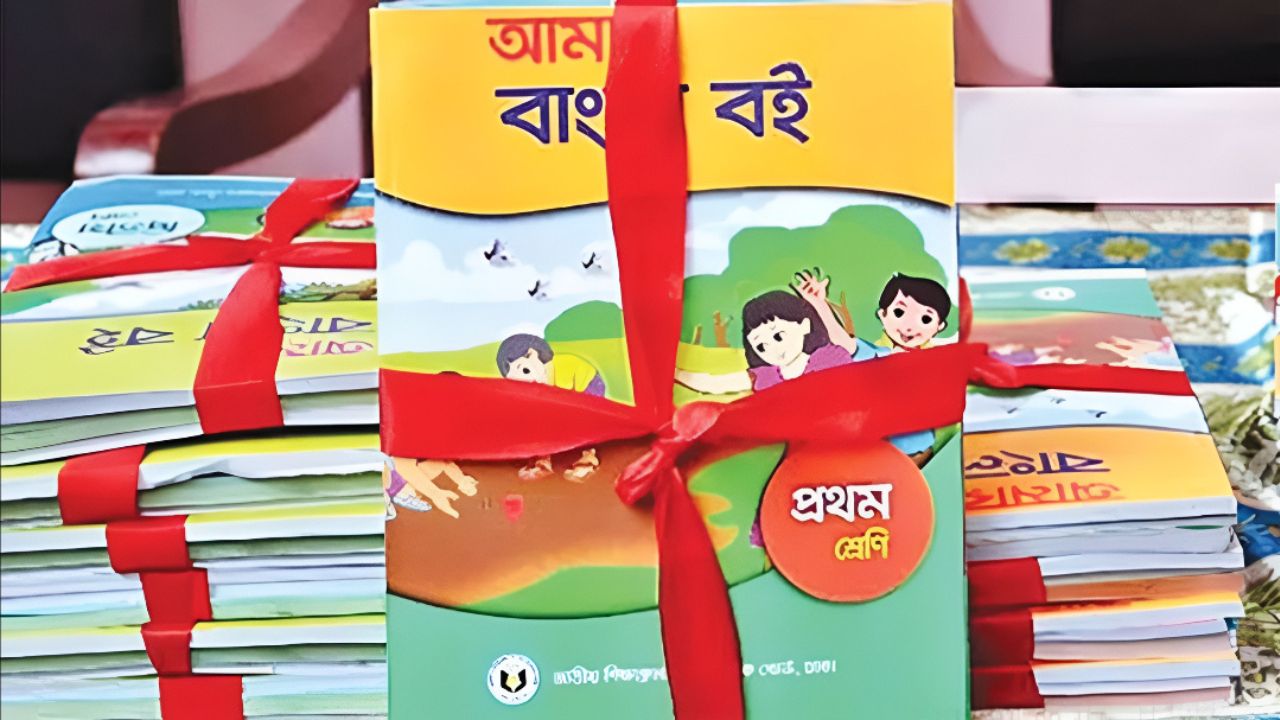



Frequent changes to curricula and textbook content without a long-term policy have left the education system directionless, with educationists warning that political influence and ad hoc decisions are undermining learning outcomes.
Experts say curriculum development should follow a clear education philosophy, research and a national policy framework. Instead, successive governments have focused mainly on altering textbook content, particularly historical narratives, without addressing deeper structural issues.
Masud Rahman, a physician who enrolled his child in an English-medium school, said, “Repeated changes to curricula and textbook content without long-term planning negatively affect students’ learning process and mental development.”
“In this situation, no conscious parent would want their child’s education to become an experiment,” he told TIMES of Bangladesh.
Parents of Bangla-medium students also expressed frustration, saying every government changes parts of textbook content according to its own perspective. While adapting curricula to global standards is necessary, they said meaningful reforms have been ignored.
Educationists said Bangladesh needs a permanent education commission to conduct research, define a national education philosophy and formulate a long-term policy. Curricula and textbooks should be developed based on that policy, they added.
Instead, the country has been moving in the opposite direction. It has repeatedly changed textbook content without completing the necessary steps of policy formulation and curriculum planning, creating confusion among teachers, students and parents.
Recommendations gathering dust
Although the interim government formed reform commissions in several sectors after the August 2024 political change, no education commission was established.

Following demands from education stakeholders, two advisory committees were formed to improve education quality, but their recommendations have remained unimplemented.
BRAC University Emeritus Professor Manzoor Ahmed, who headed both committees, said education reforms lacked meaningful participation from education experts.

“Real educationists have no involvement in reform. No government listens to independent educationists. Bureaucrats and ministers and advisers impose everything according to their own wishes. As a result, no overall change comes to education,” he told TIMES.
Professor Mohammad Mojibur Rahman of Dhaka University’s Institute of Education and Research said no government had taken steps to establish a national education philosophy.
“No government has formed an education commission or formulated an education policy. No one is doing anything even now. How will a national philosophy of education be developed?” he said.

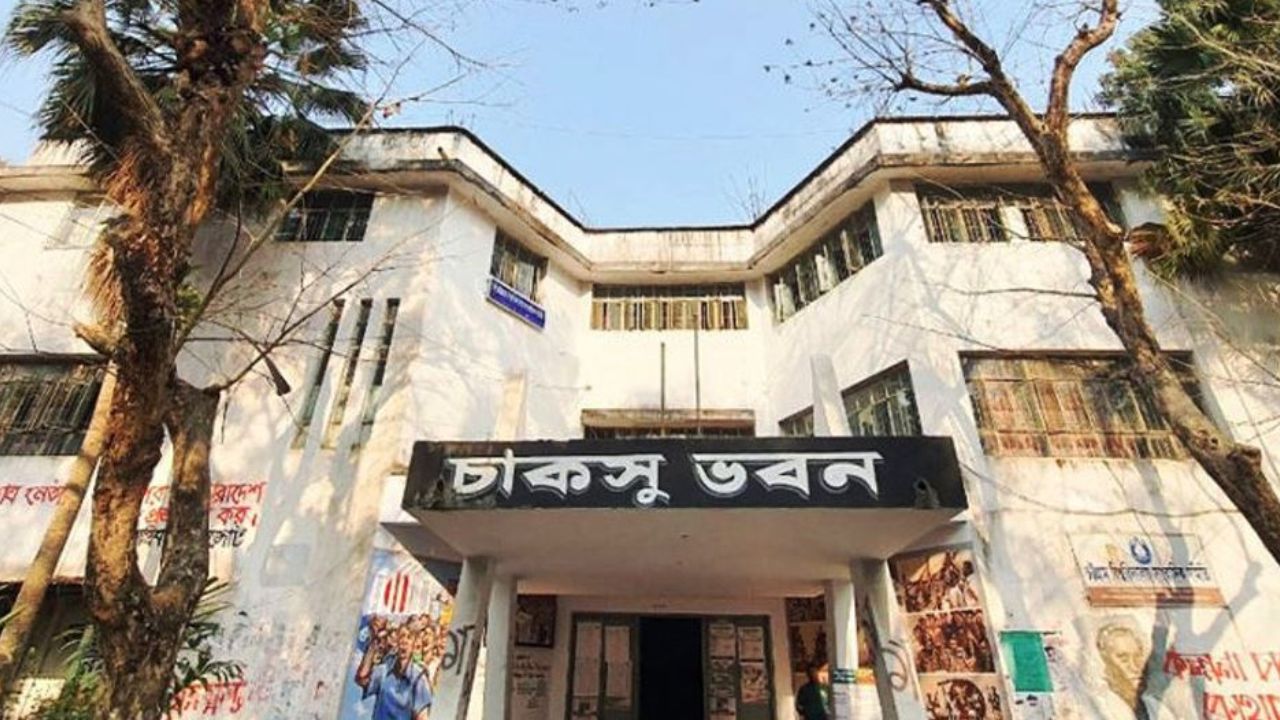

Experts at the National Curriculum and Textbook Board (NCTB) said developed countries regularly revise curricula to meet changing needs, but Bangladesh mainly changes political narratives in textbooks instead of improving teaching and learning systems.
No roadmap for reform
Professor S M Hafizur Rahman, director of Dhaka University’s Institutional Quality Assurance Cell, said Bangladesh lacked a comprehensive assessment of its education system.
“We have no mapping of our education system. There is also no analysis of the relationship between the education system and the job market. There are major gaps in these areas,” he said.
The BNP also pledged in its election manifesto to form an education commission to restore discipline in the sector, but no visible progress has been made.
During pre-budget discussions for the 2026-27 fiscal year, civil society representatives demanded the formation of a permanent education commission. State Minister for Primary and Mass Education Bobby Hajjaj said the government would continue consultations with stakeholders.
An Education Ministry official said four new books were being introduced at primary and secondary levels and that experts involved in preparing them were connected with curriculum development.
Ministry sources said Education Minister ANM Ehsanul Hoque Milon assigned several professors to prepare proposals for forming an education commission and developing a new curriculum by 2028. However, the initiative stalled after two of them moved to become pro-vice-chancellors at universities.
National University Pro-Vice-Chancellor Mohammad Ali Zinnah referred questions about curriculum revision progress to the NCTB chairman.
NCTB Member (Curriculum) Mohammad Fatihul Kadir said, “It cannot be the responsibility of a responsible person to comment on something that has not started yet.”
Why reforms fail
A former NCTB official involved in curriculum revision during the interim government said those assigned to prepare proposals on education philosophy and an education commission failed to make progress.
“They considered the issue complicated and stopped working. In reality, they do not understand these issues. But those who understand them are not given such responsibilities,” the official said.
Experts said developing a curriculum requires extensive research, public consultation, pilot testing and evaluation before implementation.
A proper curriculum must ensure students acquire knowledge, develop skills to apply that knowledge and build values that help them make independent decisions.
It must also maintain continuity from pre-primary to higher secondary levels, with lessons and subjects connected across grades.
Educationists stressed that teachers and parents must be involved at every stage. Otherwise, even a well-designed curriculum could fail.
Educationist Kamrul Hassan Mamun said a nation must have a clear education philosophy.
“A nation must have an education philosophy. For this, it needs a specific curriculum. Implementation of that philosophy should begin from primary education,” he said.
He said successive governments had introduced changes through people aligned with their own ideologies.
“Those who come to power bring changes in the education sector through their loyal or ideologically aligned people. When power changes hands later, the same situation emerges again. This should be done through competent experts acceptable across political divides,” he said.
Md Shahnawaz Khan Chandan, member secretary of Education Rights Parliament and assistant professor at Jagannath University, said Bangladesh needed a clear national vision for education.
“The government spends a lot of money on education from primary to higher education. But there should be an education policy to define what the state wants from its citizens, with public participation. Without that, sudden changes in textbook content create complications for teachers and students,” he said.