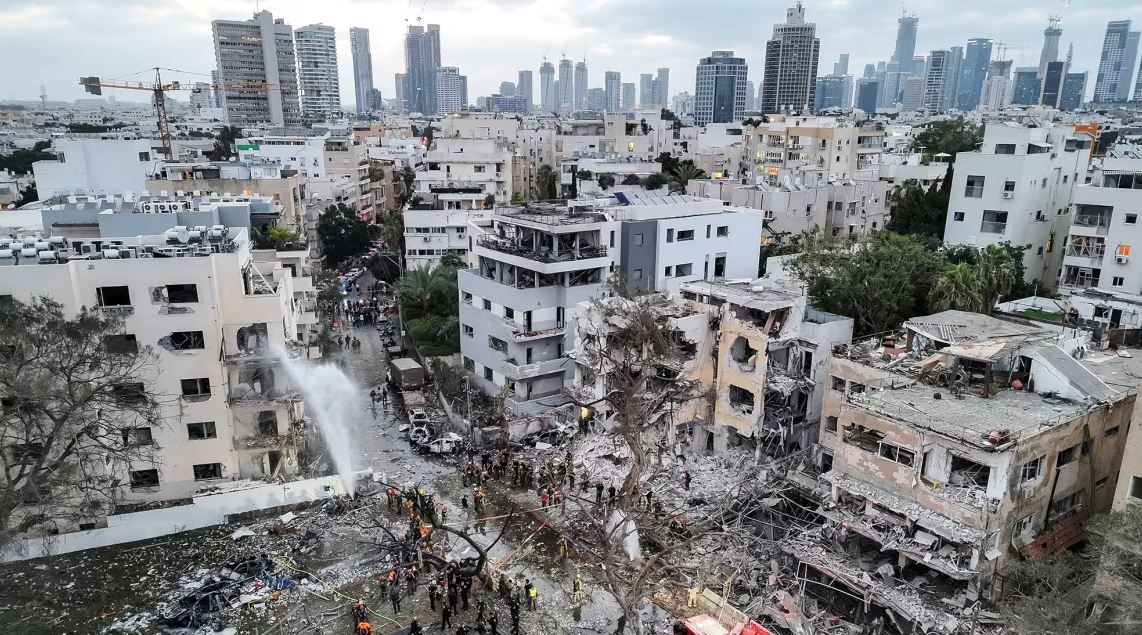

The ongoing conflict involving Iran, the United States, and Israel has rapidly evolved into one of the most consequential geopolitical crises of the 21st century. Beyond its immediate military and humanitarian consequences, the war is exerting profound pressure on the global economy. In an era of deep economic interdependence, any disruption in the Middle East is particularly significant, involving a major energy corridor that has ripple effects across continents. This article examines how the Iran-USA-Israel war is reshaping global economic dynamics through energy shocks, trade disruptions, inflationary pressures, financial instability, and long-term geopolitical realignments.
At the centre of the economic fallout lies the Strait of Hormuz, one of the world’s most critical energy chokepoints. Nearly 20% of the global oil and gas supply passes through this narrow waterway, making it indispensable to global energy security. The war has severely disrupted shipping routes in the region. Threats of blockades, attacks on tankers, and rising maritime insurance costs have constrained supply. As a result, global oil prices have surged dramatically, with Brent crude rising sharply and crossing critical thresholds.
Recent reports indicate that any prolonged closure or disruption of the Strait could trigger one of the largest energy shocks in modern history, potentially pushing the global economy toward recession. Rising energy prices inevitably translate into higher costs across the global economy. Oil is a foundational input in transportation, manufacturing, and agriculture. Consequently, an increase in fuel prices drives up the cost of goods and services worldwide. Countries across Asia and Europe are already experiencing fuel rationing, higher consumer prices, and supply shortages.
In particular, the conflict has disrupted the supply of key industrial inputs such as fertiliSers (notably urea), aluminium, and helium. These disruptions have cascading effects on agriculture, electronics, and manufacturing sectors. For developing economies like Bangladesh, the impact is even more severe. Higher import bills for fuel and food can widen trade deficits, weaken currencies, and intensify inflation, placing additional burdens on already vulnerable populations.

The Middle East is not only an energy hub but also a vital node in global trade routes. The war has disrupted maritime logistics, increased shipping costs, and delayed deliveries of goods worldwide. Shipping companies now face higher insurance premiums, security risks, and route diversions. These factors collectively increase the cost of global trade. Industries dependent on just-in-time supply chains, such as automotive, electronics, and pharmaceuticals, are particularly vulnerable. The disruption echoes the supply chain shocks seen during the COVID-19 pandemic, but with potentially longer lasting geopolitical implications.
Global financial markets have responded sharply to the escalating conflict. Stock markets in Asia and Europe have declined amid uncertainty, while investors are shifting toward safe-haven assets such as gold and the U.S. dollar. Key financial impacts include increased market volatility, capital flight from emerging markets, and rising bond yields and borrowing costs. War-related uncertainty also discourages investment. Businesses delay expansion plans, and foreign direct investment declines, particularly in regions perceived as high risk.




Although geographically distant, the United States is not immune. Rising fuel prices are already increasing transportation and consumer costs. Additionally, the war imposes a significant fiscal burden through increased military spending. Higher oil prices and inflation may force tighter monetary policy, potentially slowing economic growth. Europe faces a dual challenge from energy dependence and proximity to the conflict. Many European countries rely on Middle Eastern energy imports, making them highly vulnerable to supply disruptions. Energy shortages and rising costs could deepen existing economic fragilities and slow recovery efforts. Asia is arguably the most exposed region. Countries such as China, India, Japan, and South Korea rely heavily on oil imports passing through the Strait of Hormuz. For these economies, the war translates into higher energy import bills, currency depreciation, and slower industrial growth. Developing nations bear the brunt of global economic shocks. Unlike advanced economies, they have limited fiscal space and weaker social safety nets.
The aviation industry is another major casualty. Rising jet fuel prices and security risks in Middle Eastern airspace have increased operational costs and forced airlines to reroute flights. Global trade is similarly affected. Delays, higher freight costs, and uncertainty reduce trade volumes and efficiency. Over time, this may lead to a restructuring of global trade routes and supply chains.
The Iran-USA-Israel war is not merely a short-term crisis, but it has the potential to reshape the global economic order. The crisis may accelerate the global shift toward renewable energy as countries seek to reduce dependence on volatile regions. Geopolitical tensions may lead to the formation of competing economic blocs, reducing globalisation and increasing trade barriers. There are growing discussions about alternative currency arrangements in energy trade, which could challenge the dominance of the U.S. dollar in the long term. Countries worldwide may increase military budgets, diverting resources from development to defense.
One of the most alarming consequences of the conflict is the risk of a global recession. A prolonged war could lead to sustained high energy prices, depress consumer demands and disrupt global trade. Combined, these factors create conditions similar to past economic crises triggered by geopolitical shocks.
From energy markets to financial systems, from supply chains to household incomes, the impacts are widespread and profound. While the immediate effects are already visible across rising oil prices, inflation, and market volatility have the long-term consequences may be even more significant, potentially reshaping global economic structures for decades. Ultimately, the trajectory of the global economy will depend on the duration and intensity of the conflict. A swift resolution could stabilise markets, but a prolonged war risks pushing the world into a new era of economic uncertainty and fragmentation.
The writer is a columnist and political analyst