Bangladesh’s banking sector is approaching 2026 with easing macroeconomic pressure but unresolved structural stress that will take time—and political resolve—to fix, Shahjalal Islami Bank PLC Managing Director Mosleh Uddin Ahmed told TIMES of Bangladesh.
Looking back at 2025, Mosleh Uddin Ahmed said, “the year exposed how deeply capital erosion, rising non-performing loans, weak governance and liquidity strain had become intertwined.”
As defaults surged, banks were forced to increase provisions, eroding capital and profitability and tightening lending conditions. High inflation and a restrictive monetary stance then compounded the pressure by suppressing private credit growth.
He argued that the damage was not driven by macro shocks alone. Weak management, poor lending discipline and long-standing structural flaws magnified every stress point, leaving some banks vulnerable to liquidity pressure even before external volatility intensified.
Those weaknesses, Mosleh Uddin Ahmed said, have not disappeared as the sector moves into 2026. Asset-quality stress and governance failures are likely to persist despite Bangladesh Bank’s tightening stance, which includes stricter loan classification, tougher renewal criteria and the restructuring of distressed lenders through mergers. He described these measures as unavoidable, even if they raise short-term pain.

Enhanced recognition of bad loans, he said, will worsen headline indicators in the near term but is essential to restore transparency and align the system with international standards. Without confronting the true condition of balance sheets, he warned, any recovery would be cosmetic.
The coming year, in Mosleh Uddin Ahmed’s assessment, will test banks on several fronts at once. High NPLs—particularly in state-owned banks—remain the most acute risk, while political interference, weak internal controls and limited regulatory independence continue to undermine confidence. Liquidity and capital adequacy also remain concerns, especially for Islamic lenders.
From January 2026, the shift to Risk-Based Supervision (RBS) will intensify scrutiny of qualitative risks, governance and internal controls, raising compliance demands across the sector. Banks will simultaneously face the implementation of IFRS 9, which introduces expected credit loss models and earlier recognition of impairment. Ahmed said this will improve disclosure and risk management, but could further strain capital in the short term.
Digitalisation adds another layer of complexity. While necessary for efficiency and reach, it has increased exposure to cyber and data-security risks. Ahmed cautioned that many banks still lack sufficiently robust, data-driven systems to manage these threats effectively.
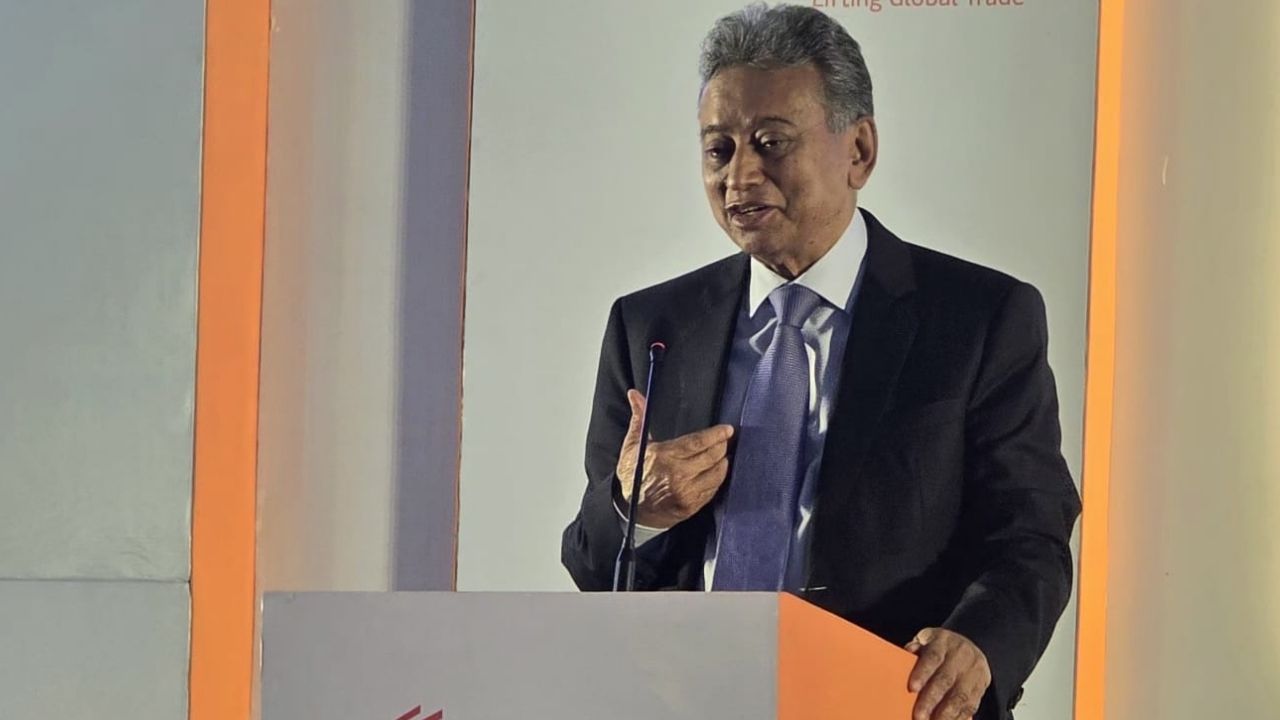



On the macro outlook, he struck a cautious note of optimism. Inflation is easing towards the 6.5–7 percent range, creating room for interest rates to stabilise and potentially be adjusted downward in early 2026.
Bangladesh Bank’s focus on maintaining a positive real policy rate implies that nominal rates could fall as inflation moderates, supported by strong remittance inflows, a steadier exchange rate and improved foreign-exchange reserves.
Private sector credit, however, is unlikely to rebound sharply. From recent growth below 8 percent, Ahmed expects only a gradual pickup towards that level by mid-2026 as investment sentiment improves. He warned that heavier government borrowing from banks could still crowd out private borrowers, limiting the pace of recovery.
Ahmed said banking and economic reforms are broadly moving in the right direction, pointing to efforts to strengthen governance through proposed amendments to the Banking Companies Act, curb family dominance on boards, limit director tenures and increase independent oversight.
He also cited tighter regulation of non-bank financial institutions under the Finance Company Act, 2023, mandatory green-finance allocations of 5 percent of lending, and Bangladesh Bank’s move towards domestically developed core banking systems to enhance data security and financial independence.
Yet he stressed that unresolved root causes remain. Persistent inflation, a culture of wilful default and corruption, and uncertainty over sustained political commitment could weaken reform outcomes if enforcement is inconsistent.
Rules, he said, must be applied without exception to restore confidence.
On handling weak banks with very high NPLs, Ahmed argued for a combination of stronger governance, faster legal recovery and structural solutions.
He called for more efficient Money Loan Courts under the 2003 Act, stricter regulatory enforcement—including potential deductions of provisioning shortfalls from capital adequacy ratios—and the creation of a national asset management company to purchase, manage and dispose of bad loans. He also emphasised the need for international cooperation to recover funds illicitly transferred abroad, alongside stress testing and time-bound reform roadmaps.
Assessing the outlook for Islamic banks, including newly merged entities, Ahmed said consolidation alone will not ensure stability.
He urged stronger Shariah-compliant risk management, professional training for Shariah analysts, diversified product development and broader market positioning that targets non-Muslim customers on product quality rather than religious appeal alone.
Without these changes, he warned, governance weaknesses and concentration risks will persist.