Religious Affairs Adviser AFM Khalid Hossain has said Bangladesh has long been a land of communal harmony and urged citizens to rise above divisions to work together for national development.
“If we look at our two closest neighbours India and Myanmar, it becomes clear. Conflicts sometimes occur in our country too, but most are political in nature, not communal,” he said.
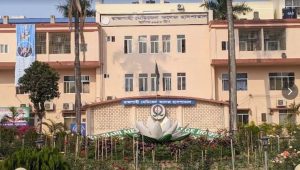
He was speaking at a discussion titled “Communal Harmony and a Peaceful Bangladesh” held at the Lalmonirhat District Council auditorium, organised by the district administration.

“People of different religions and communities in our country have grown up together, studied and worked together. We live side by side and share our lives from marketplaces to schools. In the Liberation War of 1971, we fought shoulder to shoulder, and in the July Revolution of 2024, we again stood united against autocracy,” Khalid said.




“This country belongs to everyone Hindus, Buddhists, Christians, hill people, and ethnic minorities. Everyone has equal rights. The government is working to ensure that no one’s rights are violated, and it is the duty of the state to uphold this,” he added.
Highlighting the need for harmony, he said, “Without communal harmony, no nation can progress. Where there is conflict among groups or communities, there will be no foreign investment, no tourism, and no development.”
He described Lalmonirhat as fertile ground for communal harmony, noting that there are no conflicts among mosques, temples, or churches, and said this peaceful environment must be strengthened further.
Expressing disappointment over the district’s slow pace of development, he said, “The national election will be held in February. Elect a representative who can turn Lalmonirhat into a prosperous region. We don’t want to hear complaints we want to see results.”