
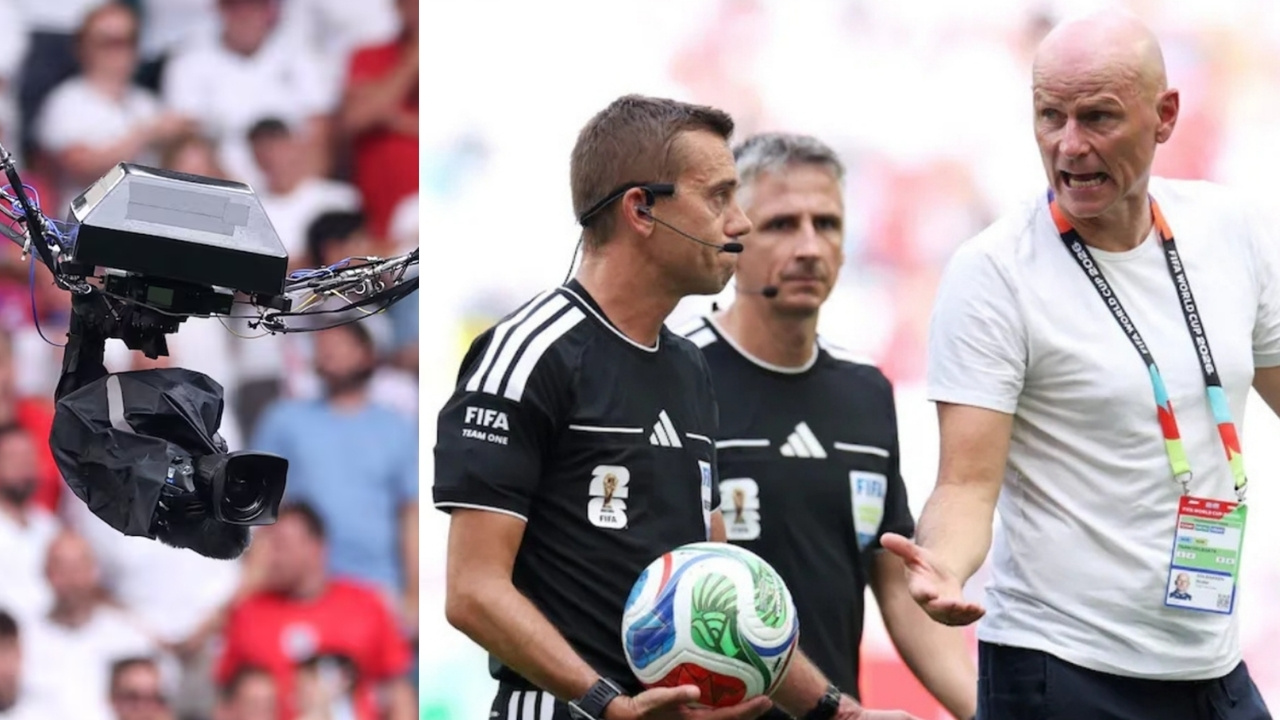
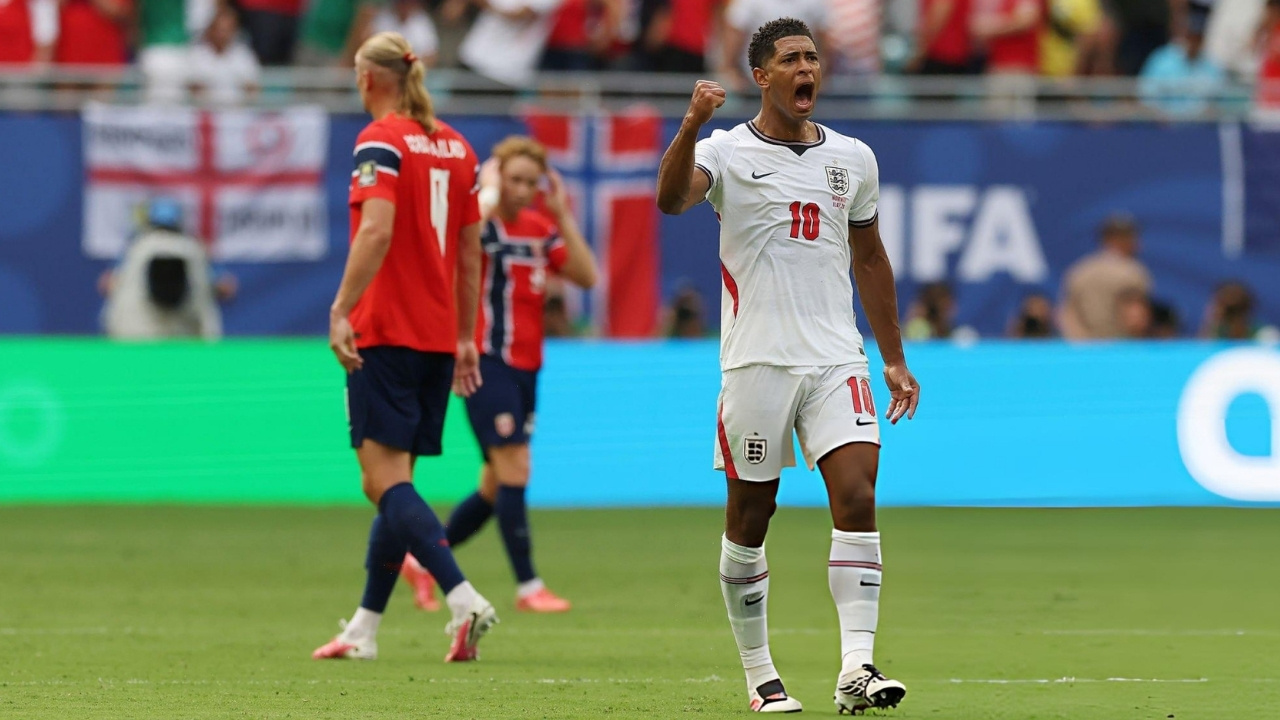



Norway were left incensed after Fifa’s overhead broadcast camera appeared to influence the build-up to Jude Bellingham’s equaliser in England’s World Cup quarter-final against Norway in Miami on 12 July, with manager Stale Solbakken furiously protesting to referee Clement Turpin at the time.
The controversy stemmed from a long clearance by goalkeeper Orjan Nyland deep into first-half stoppage time, which appeared to strike the Spidercam, the camera suspended above the pitch on tension wires from each corner of the stadium, before dropping unexpectedly into the path of Elliot Anderson. Anderson surged forward down the left before feeding Anthony Gordon, whose pass inside found Bellingham, who beat Torbjorn Heggem and finished clinically to level the scores.

Solbakken and his coaching staff reacted furiously on the touchline, with a member of his backroom team seen pointing towards the camera as the Norway boss stormed off at half time. Under the laws of the game, contact between the ball and outside interference such as the Spidercam should trigger a stoppage and restart via an uncontested dropped ball, rather than allowing play to continue.

Fifa sources maintained that its VAR officials did not detect any contact between ball and camera, with the governing body later stating that motion sensors embedded in the matchball showed no touch had occurred. That explanation has not satisfied critics, however. Former Premier League referee Mark Clattenburg, working as a pundit for Fox’s coverage, argued that the passage of play should have been reviewed given it led directly to a goal, and said the goal ought to have been chalked off had officials followed the letter of the law.
Fox’s broadcast showed replays before the second half appearing to show the ball clipping the overhead wire, prompting immediate protests from Nyland, Erling Haaland and Solbakken, though the goal was allowed to stand and proved decisive in a match England went on to draw level from a goal down.


