
Political analysts and researchers are optimistic that the ongoing debates, distrust, and political crises surrounding the country’s electoral system may finally come to an end.
They believe a free, fair, and impartial election could mark the start of a new chapter in the country’s democratic restoration. They also see this election as a step towards ending fascism and realising the “July Consciousness” movement.
The analysts highlight the vital role of both political parties and military in ensuring the success of the 13th parliamentary election. They also credit the Election Commission and administration for demonstrating their ability to organise a credible election by remaining neutral, as evidenced in this poll.
They note that the last three parliamentary elections were widely questioned. In particular, abolition of the caretaker government system and shift to elections under a partisan government severely undermined the electoral process.

Allegations of rigged elections and “night votes” emerged, while many opposition parties, including the BNP-Jamaat alliance, boycotted or rejected these elections. Consequently, public trust in the electoral system diminished significantly.
The analysts argue that one-party elections created an environment of democratic void. However, following the student-led protests on 5 August 2024, a significant political change occurred, leading to the formation of an interim government. This marked the beginning of the process to rebuild the electoral system.


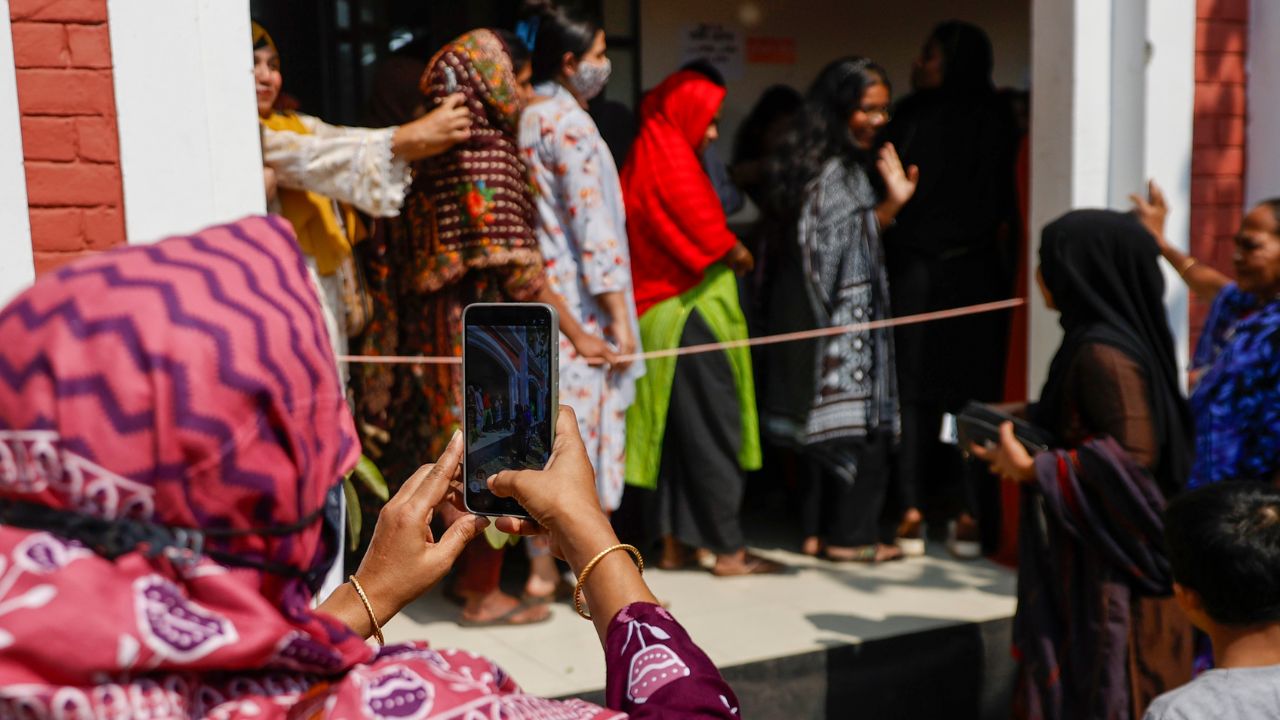
Nearly a year and a half later, the parliamentary election held on Thursday ended without major violence or significant fatalities, a development analysts view as highly positive in the country’s political history.
History researcher and writer Mahmududdin Ahmed stated, “This election has created a new history for the country.” He believes it was a fair and acceptable election, setting Bangladesh back on the path to democracy. He further added that the administration’s competence has been proven and that the patriotic army has firmly stood in protecting the country and its democracy.
Professor Dilara Chowdhury, former chair of the Department of Government and Politics at Jahangirnagar University, observed, “The path to the restoration of democracy has been paved through years of political struggle and the student movement.”
She believes this election is a turning point for the country, emphasising that, beyond which party forms the government, the most significant achievement is the restoration of country’s international image.
Meanwhile, Sabbir Ahmed, a professor at the Department of Political Science at Dhaka University remarked, “The international community paid particular attention to this election. Following the large-scale popular uprising in the country, the big question was whether the movement’s spirit would be realised.”
There were doubts over whether the government, military, and administration could deliver a credible election. In the end, they demonstrated their capability to do so,” he added.
Relevant stakeholders believe this election could mark the beginning of a new reality in the country’s politics, democracy, and governance.