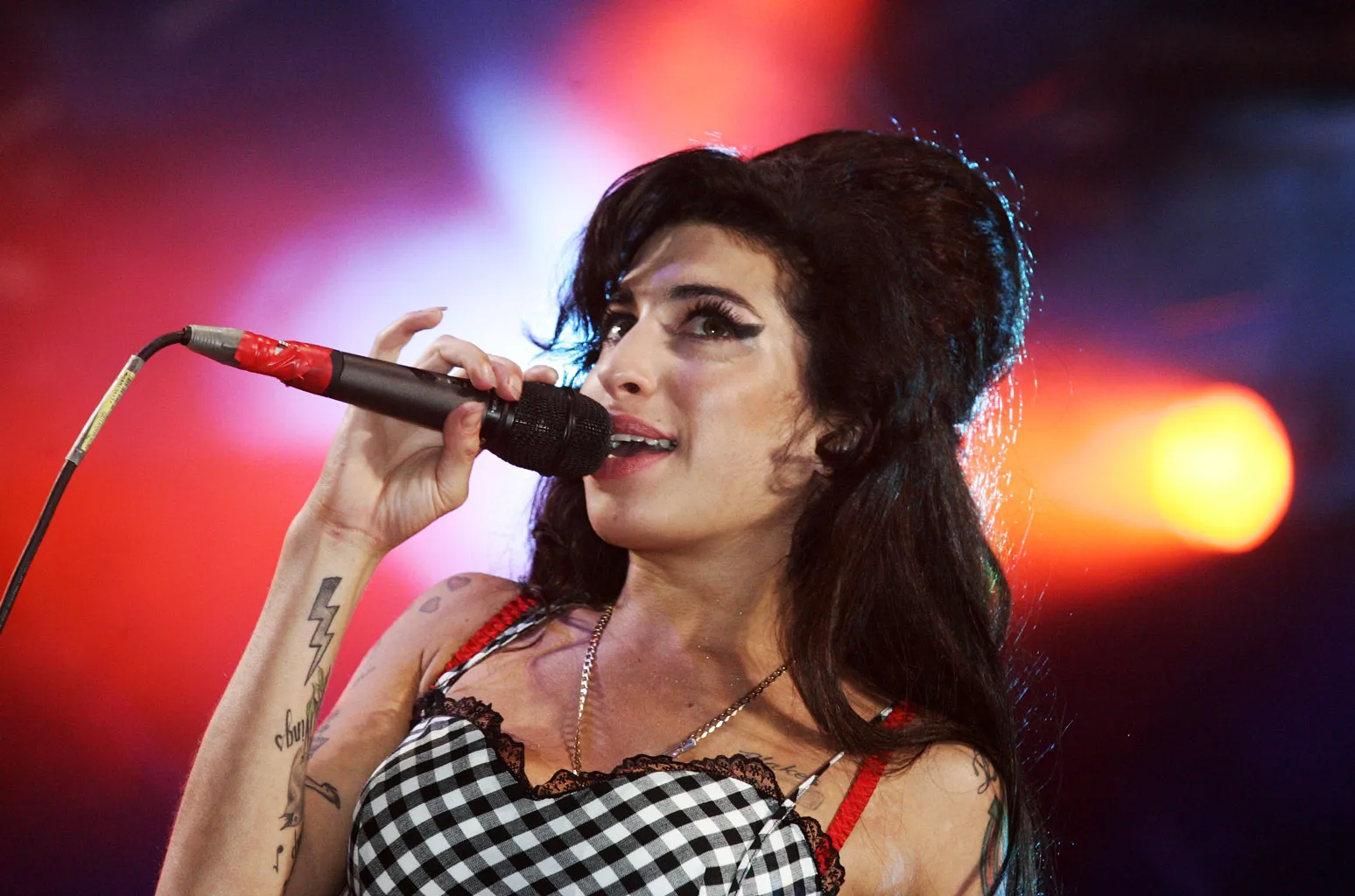



In a career that lasted only a few years on the global stage, Amy Winehouse achieved what many artists spend a lifetime chasing. Through her powerful voice and deeply personal songs, the British singer-songwriter behind Back to Black became one of modern soul music’s defining figures before her death on 23 July 2011, aged 27.
Fifteen years after her death, Winehouse remains one of the most influential artists in contemporary music. Her songs continue to reach new generations of listeners, while her artistic legacy inspires singers and musicians around the world.
Born in London on 14 September 1983, Winehouse developed a deep connection with jazz and soul from an early age. Inspired by legendary performers such as Dinah Washington and Sarah Vaughan, she created a musical identity that blended classic soul with the emotional realities of modern life.
Her debut album, Frank, released in 2003, introduced her as a remarkable new talent with a distinctive voice and sophisticated songwriting. However, it was her second studio album, Back to Black (2006), that transformed her into a global star.

The album became one of the defining records of the 2000s. It combined soul, rhythm and blues, jazz influences and deeply personal storytelling. Songs such as Rehab, Back to Black and You Know I’m No Good showcased her rare ability to turn personal experiences into compelling musical narratives.
At the 2008 Grammy Awards, Winehouse earned international acclaim by winning five awards, including Record of the Year, Song of the Year and Best New Artist. Her success also helped bring classic soul influences back into mainstream popular music.




Beyond the awards and commercial success, Winehouse represented a different kind of pop star. At a time when mainstream music increasingly favoured polished production and carefully manufactured images, she stood apart through her individuality. Her distinctive voice, vintage-inspired style and emotionally honest songwriting made her instantly recognisable.
However, her career was also marked by intense public scrutiny. Media attention surrounding her personal struggles often overshadowed discussions of her artistry and musical achievements.
Her death from alcohol poisoning at the age of 27 placed her among the musicians associated with the so-called “27 Club”, alongside artists such as Jimi Hendrix, Janis Joplin and Kurt Cobain.
Yet Amy Winehouse’s legacy extends far beyond the circumstances of her death.
Her influence can be heard in the work of many contemporary artists who embrace emotional honesty, vocal individuality and personal storytelling. Her music continues to be studied, celebrated and rediscovered, demonstrating the enduring power of her artistry.
Fifteen years after the world lost one of its most distinctive voices, Amy Winehouse remains far more than a symbol of a tragic life cut short.
She remains an artist whose music continues to speak.