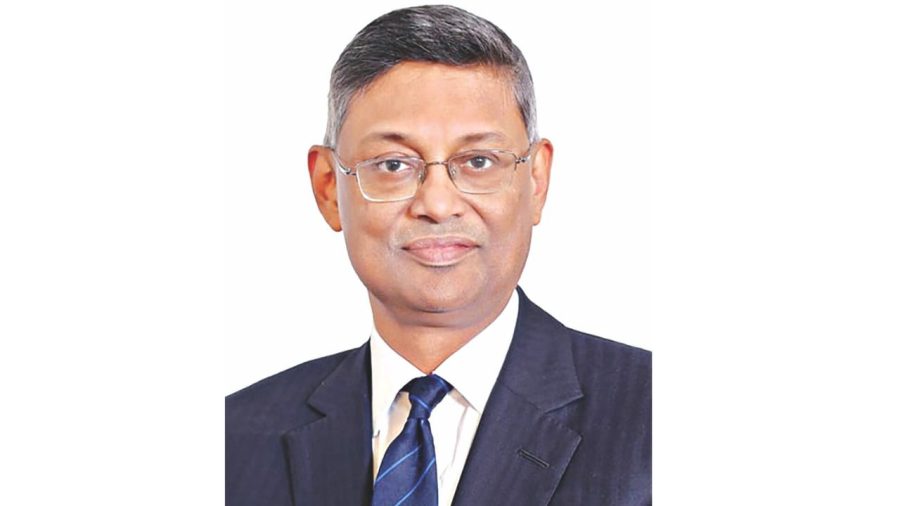



Altamash Kabir Mishu, editor and publisher of Dainik Sangbad, has been elected president of Dhaka Club Limited for the 2026-2027 term. In the election held on Saturday, Kabir defeated the outgoing President, Shamim Hossain, by a massive margin of 584 votes.
Out of a total of 3,515 eligible voters, 1,373 members cast their ballots, representing a turnout of 39.06 per cent.
Of the 1,373 votes cast for the presidential post, 1,368 were valid. Kabir secured 976 votes, accounting for approximately 71.3 per cent of the valid votes. His closest rival, Hossain, received 392 votes, while five votes were declared invalid.

This landslide victory represents a significant turnaround from the 2025 election, where Hossain had won the presidency with 683 votes, while Kabir had received 495 votes. Within just one year, Kabir has assumed leadership of the prestigious club with overwhelming support.
Board of Directors election
In addition to the presidential race, there was a highly competitive contest for the 10 positions on the Board of Directors, with 16 candidates vying for office. Tarek Ahmed Adel topped the director poll, securing 1,053 votes.




The other nine elected directors are Osama Taseer, who obtained 1,012 votes; Tanvir Aziz Khan with 1,003 votes; Jahangir Chowdhury with 992 votes; SM Hafiz Al Ashad with 955 votes; Nazma Akter with 937 votes; Md Aminul Haque with 937 votes; Ambareen Islam with 878 votes; Abdur Rahman with 829 votes; and Rabbani Jabbar with 825 votes.
The candidates who ran unsuccessfully in the board election were Mahmudur Rahman, who received 767 votes; Nayeem Md. Kaiyum with 648 votes; Aminur Reza Khan with 638 votes; Tanvir Ahmed Miki with 605 votes; Israt Helal with 589 votes; and Tuhin Reza with 572 votes. A total of 1,324 valid votes and 49 invalid votes were recorded in the Board of Directors election.
A legacy of tradition
Established in 1911 during British rule, Dhaka Club is one of South Asia’s oldest and most influential social clubs.
Originally founded as an entertainment and social gathering centre for high-ranking British officials on five acres of land in the capital’s Ramna area, its membership was initially restricted to Europeans.
Since the 1950s, however, it has evolved into the premier social hub for the nation’s prominent business leaders, bureaucrats, professionals, and cultural figures. Holding democratic elections annually to choose new leadership remains one of the club’s finest traditions.