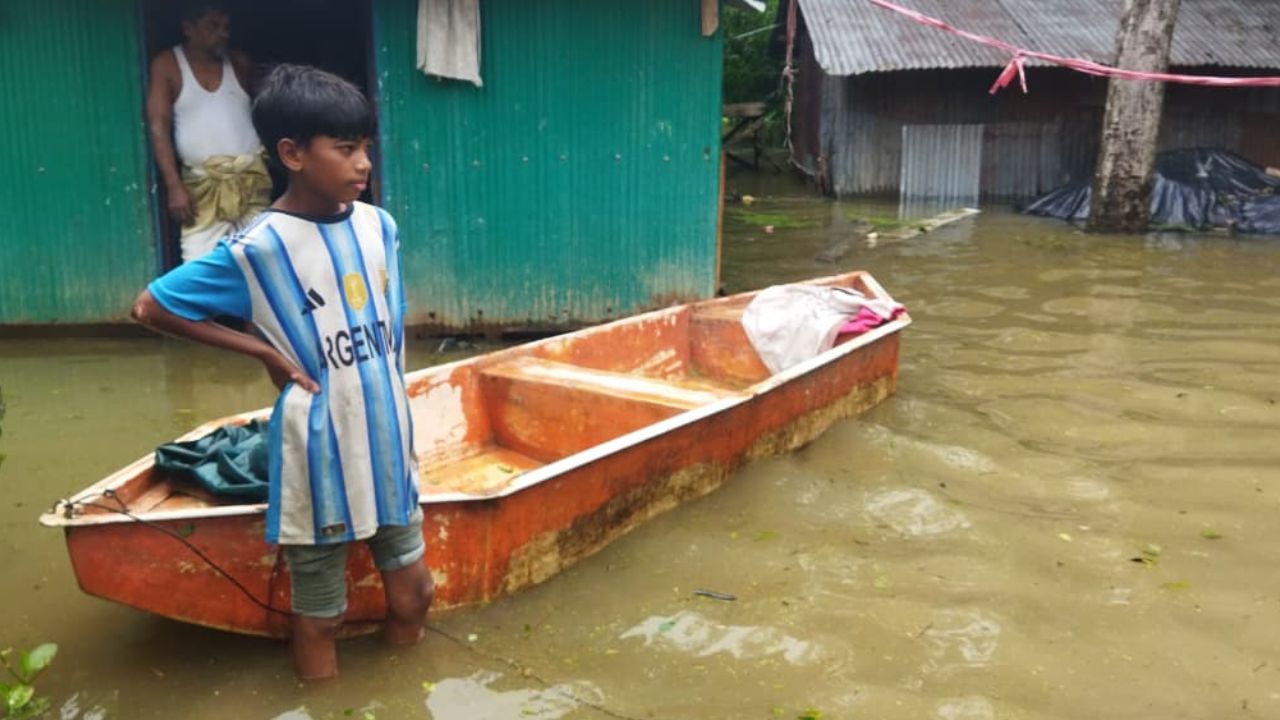





The Buriganga River was once the lifeline of Dhaka. It linked the city to the entire country. It carried boats, goods, fish and lives. Today, the river is sick. The water is black, and the smell burns the nose. Fish and plants struggle to live. The river no longer feels alive.
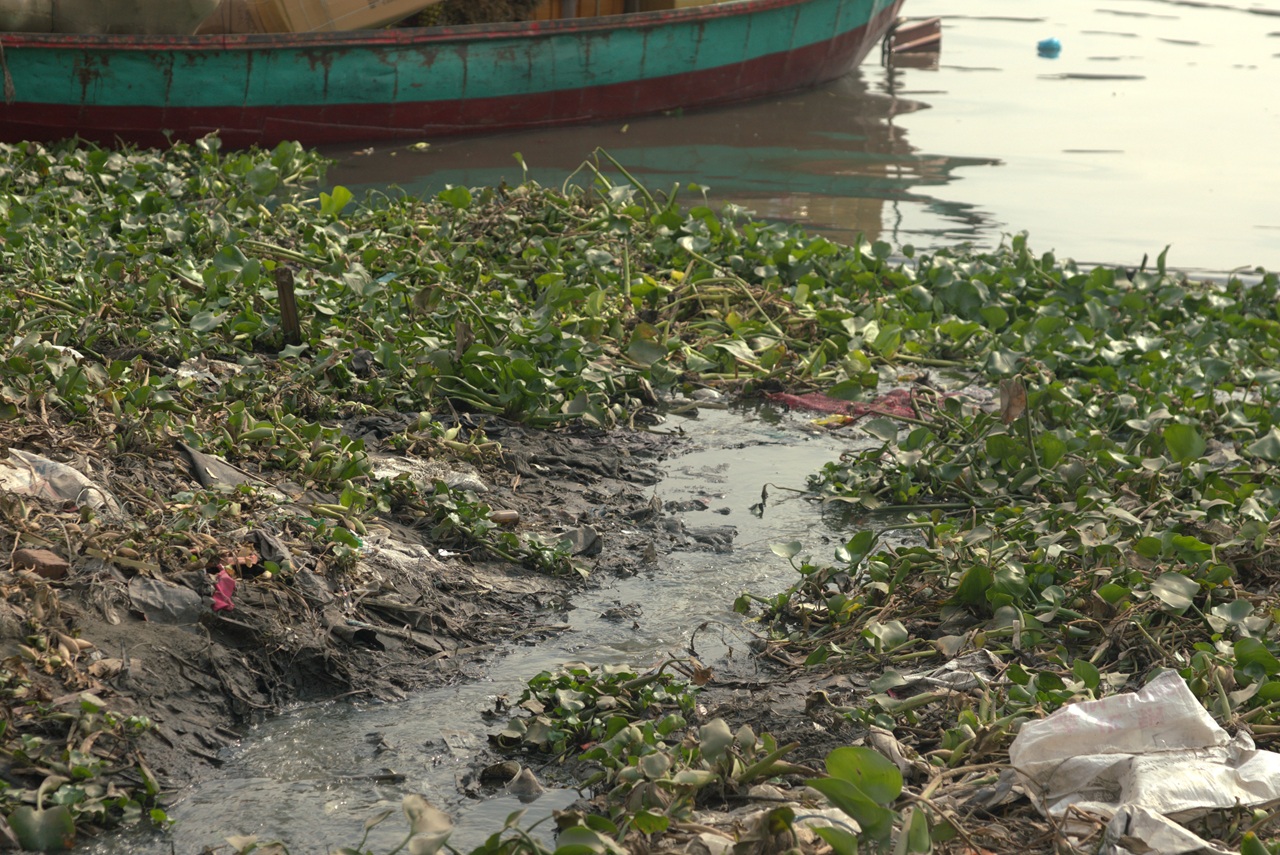
People dump waste straight into the water. Homes and markets throw garbage and plastic into the river. Toilets and drains carry human waste into the water.

Industries are big polluters. Many factories sit on the riverbank. They send chemicals, dyes and toxic liquids into the river. Tanneries, textile and dyeing plants are major offenders. Most do not treat their waste before release.

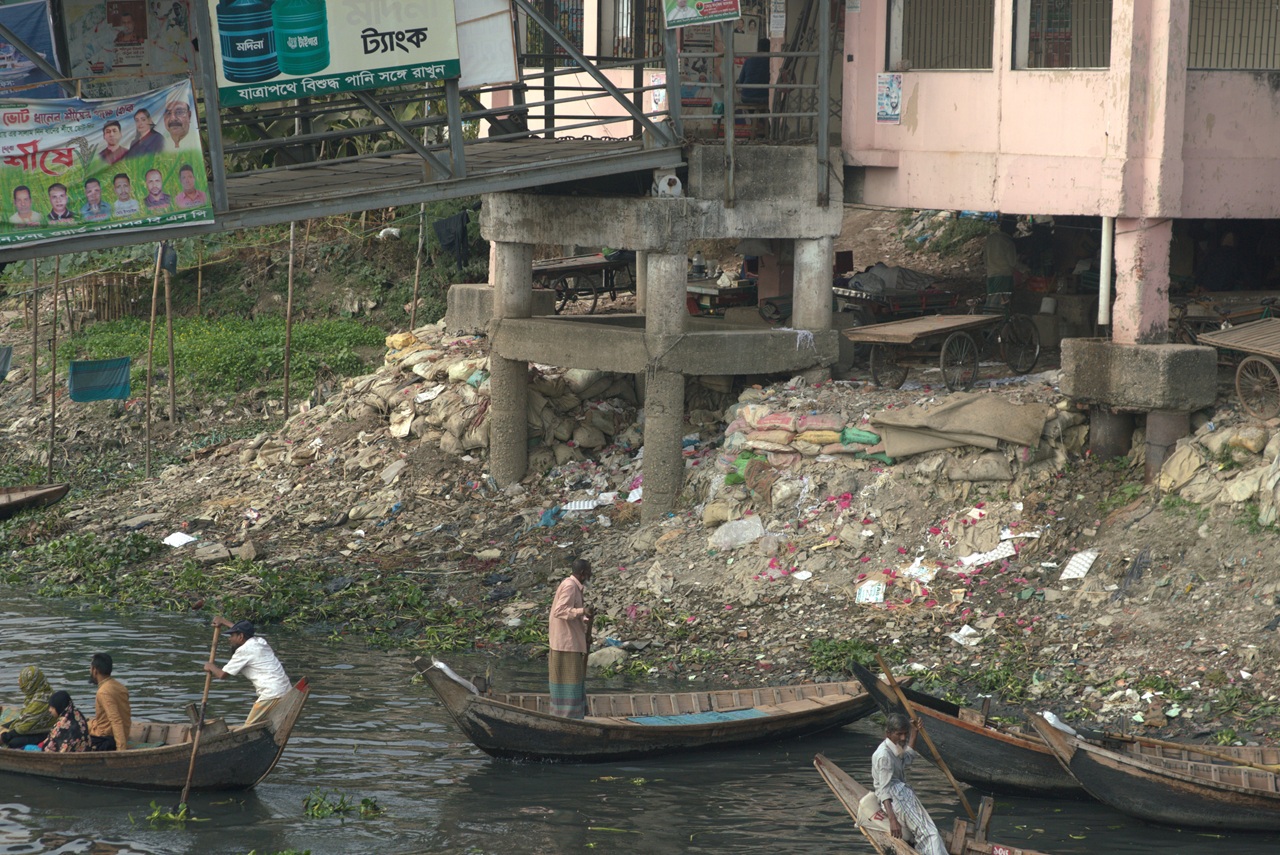
Riverbank residents suffer the consequences. Skin diseases like rashes, itching and painful sores that do not heal are common. Children fall sick more often. They suffer from diarrhoea, dysentery and stomach infections.
Many families use nearby water sources linked to the river. The contamination spreads quietly through washing, bathing and daily contact. Fishermen are at constant risk. They stay in polluted water for hours. Minor cuts on their skin get infected.
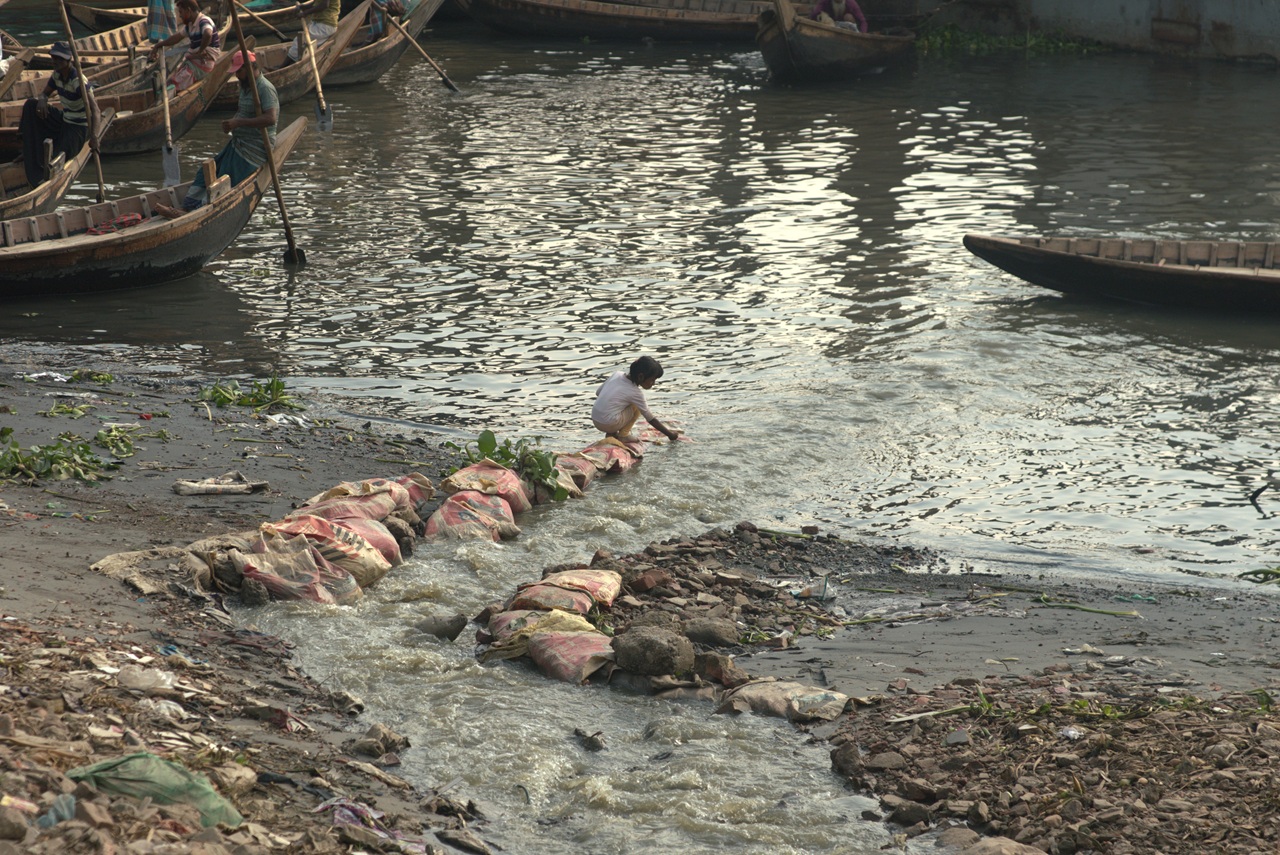
Doctors warn about long-term dangers. Heavy metals like chromium and lead are present in the water. These enter the body slowly. They damage the liver and harm the kidneys which in turn increase cancer risk. The air near the river is also unsafe. Rotting waste releases toxic gases. Breathing becomes difficult. Headaches are common, and nausea follows.
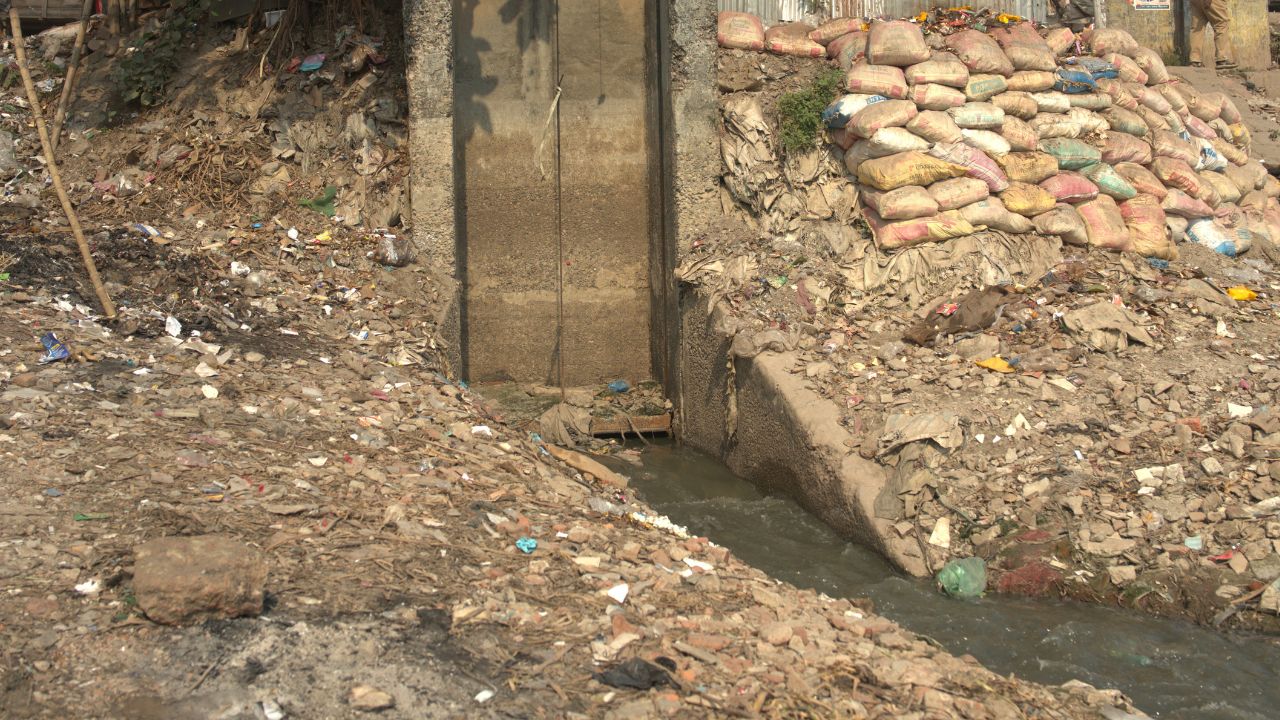
Yet the dumping continues. The river is treated like a drain. Not a living body or a source of life. Every day, thousands of tonnes of solid waste flow into the river. Dhaka alone produces about 4,500 tons of solid trash each day. Many canals carry this waste directly to the Buriganga.
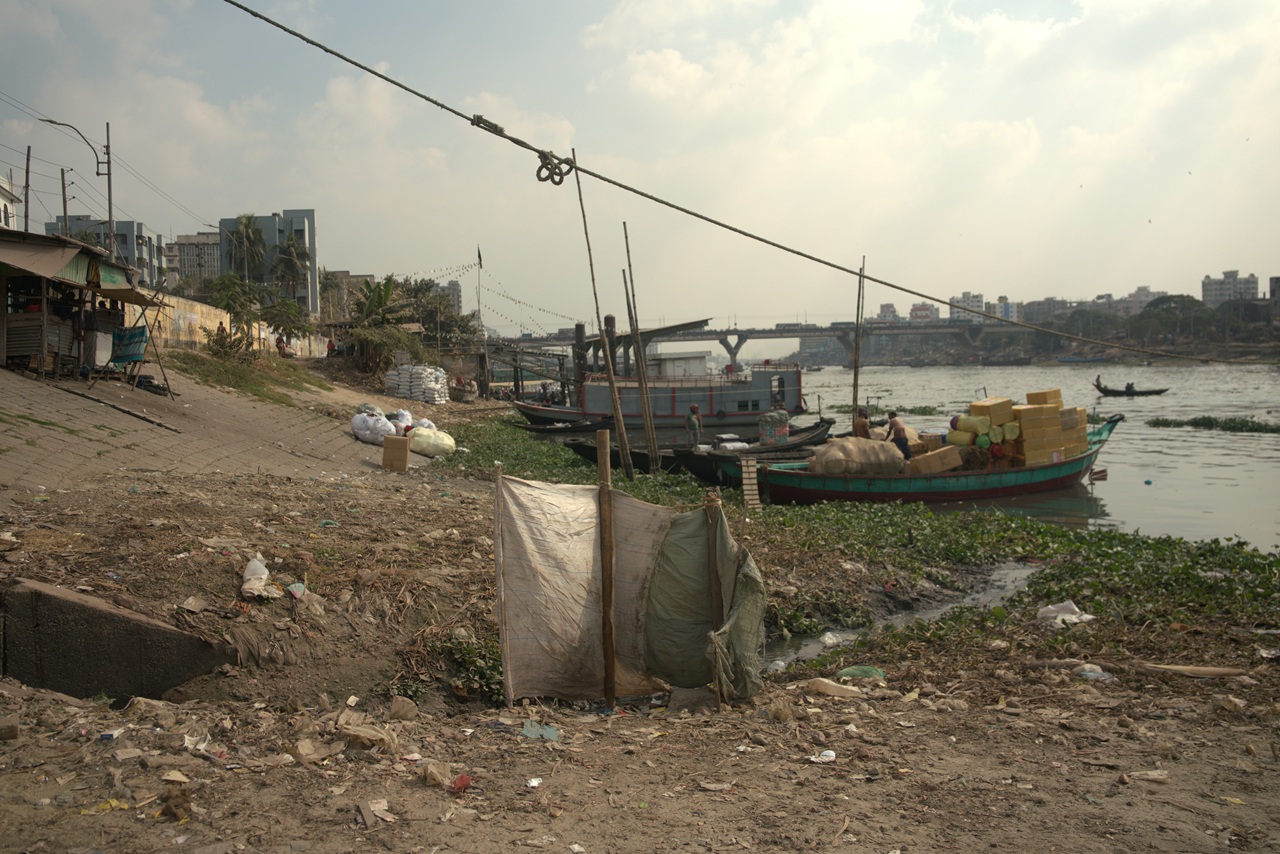
Riverbanks are shrinking because of illegal construction. Houses and markets have pushed into the riverbed. This reduces the river’s flow and worsens pollution. The government, social and environmental groups have made efforts to clean the river, but pollution continues. Laws remain weak, and enforcements are weaker.
The Buriganga still matters. Millions depend on it. It feeds livelihoods and culture. But unless people stop dumping waste, the river will keep dying silently.


