




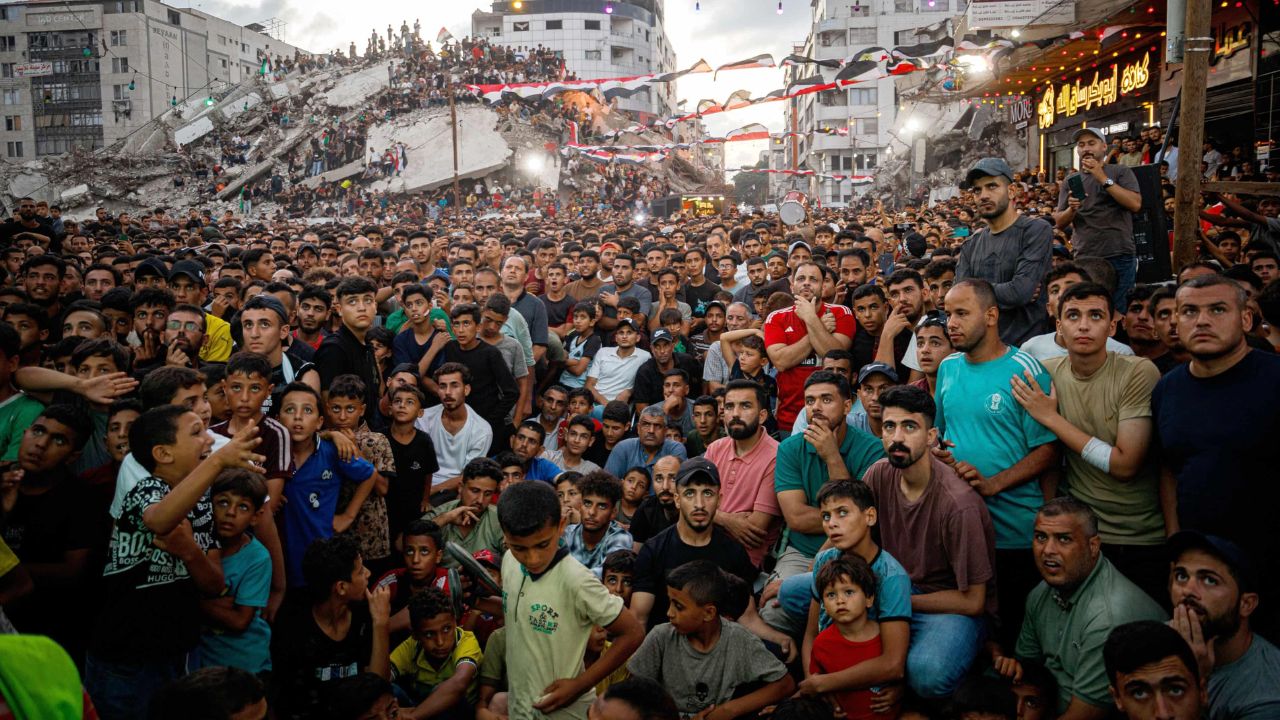
As the world remains transfixed by the drama of the 2026 World Cup, the “beautiful game” takes on a hauntingly different form in the Gaza Strip. Here, there are no neon-lit fan zones or climate-controlled stadiums.
Instead, hundreds of fans gather amidst the jagged ruins of shattered buildings to watch each match, their eyes darting between the flickering screen and the sky, where the hum of Israeli drones remains a constant companion.

For Palestinians in Gaza, this tournament is less a celebration and more a desperate, albeit dimmed, escape from a reality defined by displacement and death. The spirit of the game was dealt a devastating blow just days ago with the killing of 65-year-old Mohammed al-Wahidi.

An English teacher turned humanitarian figure, al-Wahidi had become the “door to hope” for many, organising public screenings of matches in displacement camps to offer children a brief respite from the war. He was killed when an Israeli missile struck the taxi he was traveling in, only hours before Egypt’s last-16 clash against Argentina.
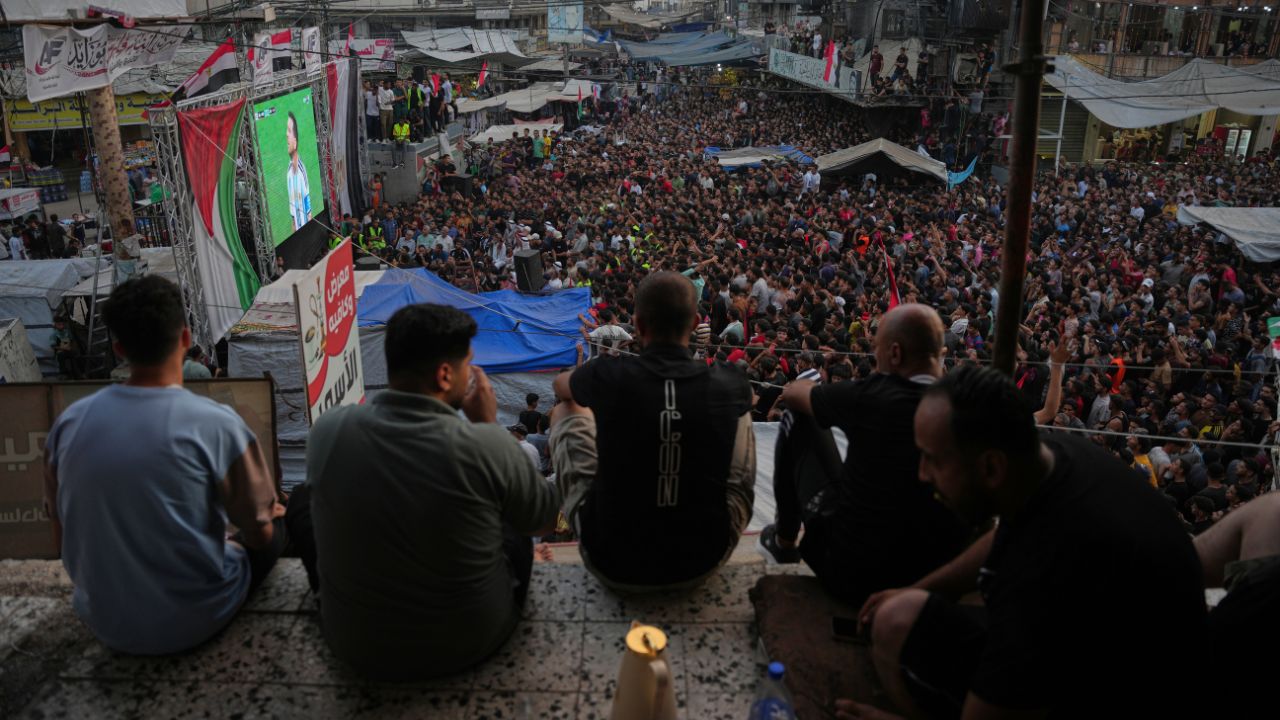
The match itself, which ended in a 3-2 victory for Argentina, was watched by fans waving Egyptian flags from the rubble, a poignant display of regional solidarity in a war-torn enclave.
Yet, the joy was hollow. “The real passion is gone,” says 21-year-old Yousef al-Nuaizi, who now lives in a tent inside Gaza City’s Yarmouk Stadium. Once a place of local sporting triumph, the stadium has been repurposed into a crowded shelter for the displaced.
The logistical hurdles of being a football fan in Gaza are Herculean. Frequent internet and electricity outages mean fans like 43-year-old Sameeh Totah often watch highlights of games whose results they already know.
“It’s nothing like before the war,” Totah recalls, reminiscing about the 2022 World Cup in Qatar when his family lived in their home in the Zeitoun neighborhood, surrounded by snacks and loved ones.
Now, he watches matches on a mobile phone outside a makeshift tent, trying to ease the stress of a war that has killed over 73,000 Palestinians since October 2023.
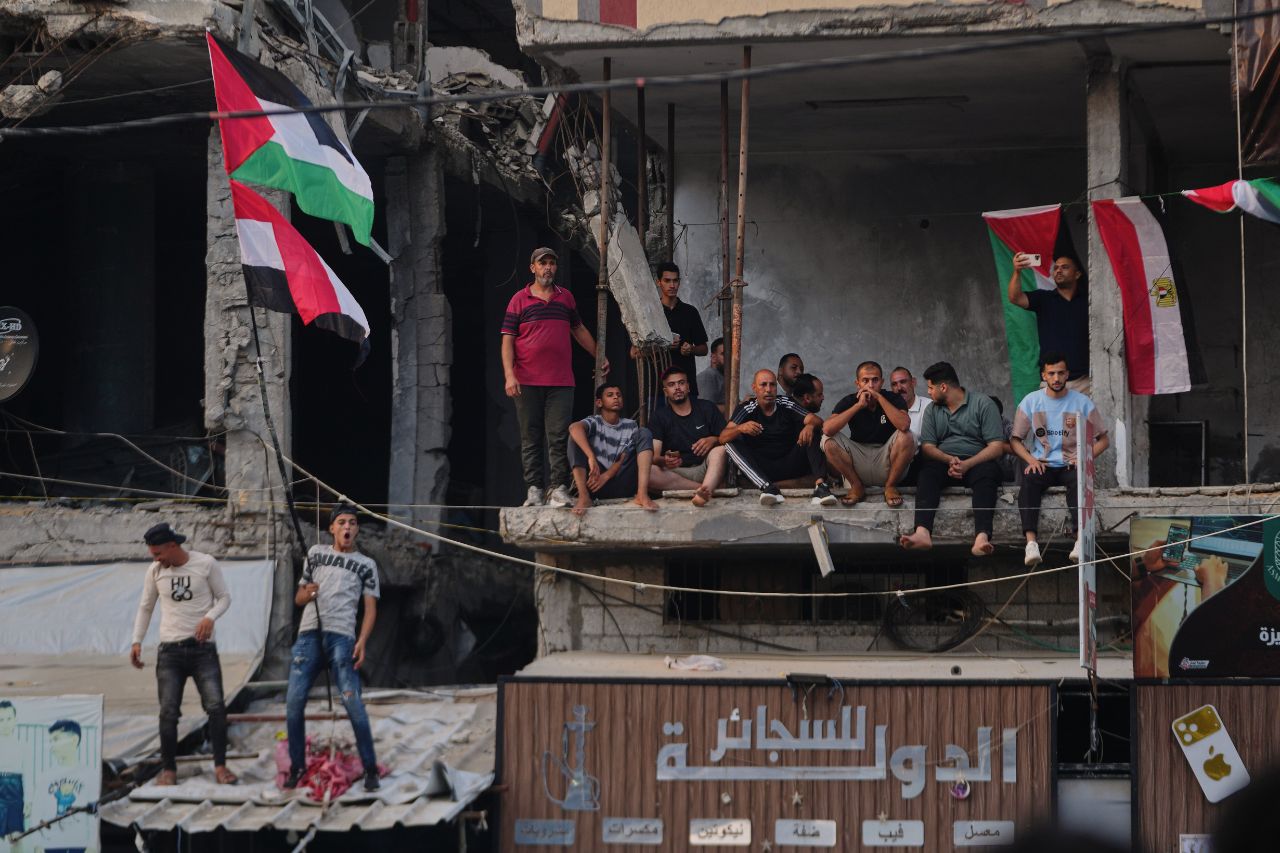
The threat of violence remains omnipresent, even during the rare moments of recreation. Tareq al-Jadba, 26, who operates a makeshift cafe built from tarpaulins, notes that fans watch in fear.
“Especially during matches played late at night… there is always fear of nearby bombardment,” he says. This fear is grounded in a grim reality; even during the current ceasefire, strikes continue daily. Just this past Sunday, Israeli fire killed six people, including 9-year-old Tala Abu Matar, who was struck in a displacement camp.
As the World Cup 2026 progresses toward its finale, the contrast between the global festival and Gaza’s struggle for survival remains stark. In the words of one activist mourning al-Wahidi, while the goals may be celebrated elsewhere, in Gaza, even those who dedicate their lives to hope are not spared.
For the displaced fans in Yarmouk Stadium, the tournament is a fleeting reminder of a life that once was, played out in the shadow of a life that is currently being lost.


