


Israeli President Isaac Herzog on Wednesday accepted the certified results of last week’s parliamentary election and began consultations with political parties on the formation of a new government.
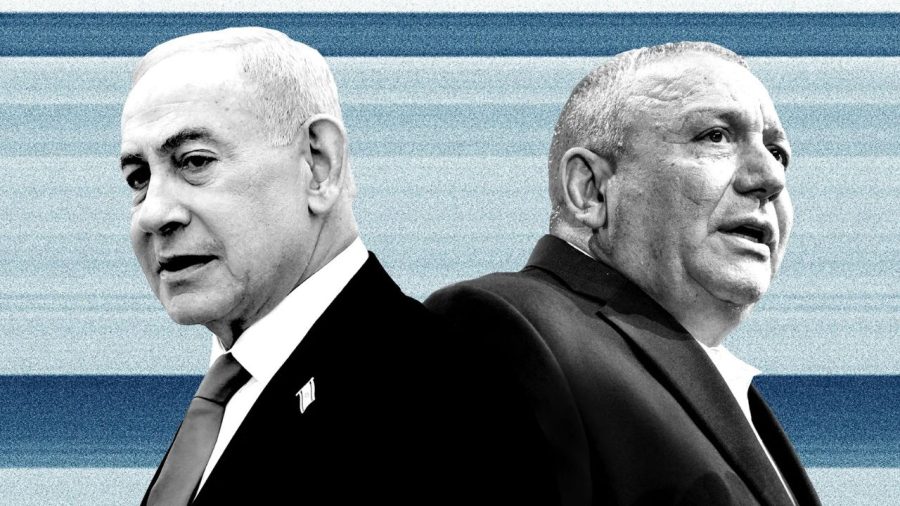
Neither the bloc led by Prime Minister Benjamin Netanyahu nor that of his main challenger, former military chief Gadi Eisenkot, secured the parliamentary majority required to form a government.
Both sides are now negotiating with smaller parties to gather sufficient support.
The certification came after Israel’s election commission found no evidence of fraud, dealing a blow to Netanyahu’s attempts to challenge the results.

Netanyahu and his supporters had repeatedly claimed, without evidence, that Arab-led parties had stolen the election, possibly with foreign assistance, reports Associated Press.
“The review found no evidence of irregularities that compromised the integrity of the election or affected its results,” the commission said in a statement.
Acting election committee director Dean Livne said investigators had examined every complaint individually and thoroughly but found no evidence to support allegations that the election results were invalid.



He added that the certified results accurately reflected voters’ choices.
A separate investigation by Israel’s Shin Bet intelligence service into allegations of foreign interference remains ongoing, according to an election committee spokesperson.
The commission has said that even if suspicions of foreign interference are substantiated, there is no indication that such activity affected the overall election results.
Following the certification, Herzog began meeting representatives of the parties elected to parliament.

After two days of consultations, he will nominate the candidate he believes is best positioned to form a coalition government, most likely Netanyahu or Eisenkot.
The nomination will set the stage for weeks of negotiations to secure parliamentary support.
The election results showed Netanyahu’s religious-nationalist bloc losing its parliamentary majority, while Arab-led parties made substantial gains, potentially positioning them as kingmakers in the coalition negotiations.
Possible scenarios include an alliance between Eisenkot and some Arab-led parties or an agreement between the two main rivals. If neither candidate succeeds in forming a government, Israel could hold another election early next year.