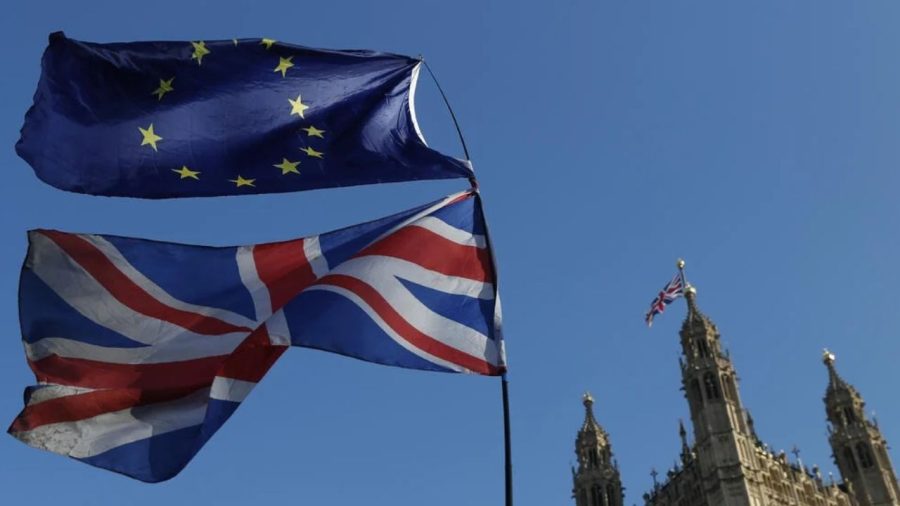



UK and EU have agreed on a draft deal to remove post-Brexit checks on food and agricultural exports ahead of a UK-EU summit scheduled for later this month. The 200-page draft text for sanitary and phytosanitary (SPS) agreement has been circulated to EU member nations in Brussels for consideration at a meeting of EU ambassadors last Wednesday.
Described as the most significant element of Brexit reset agreed so far, the deal aims to eliminate checks and red tape that have hit exporters since Britain exited EU single market. As a result of the agreement, UK government claims the domestic economy will eventually see £5.1bn worth of annual benefits, reports BBC.
Under the terms of the deal, exports to the EU of domestic fresh sausages, burgers, shellfish, and seed potatoes will be able to resume. The agreement will remove requirements for £200 Export Health Certificates and £25 Phytosanitary certificates, while also eliminating inspector fees, organic certificates, port fees, and other export-import checks.
Moreover, pet passports for British pets travelling into EU will be reinstated. In return, UK is expected to commit to dynamic alignment by observing and adapting to existing EU regulations on plant, animal, and food trade standards.
Alongside the SPS agreement, draft texts covering emissions trading, a youth travel and work scheme, and a 15-page draft joint statement for top UK and EU leaders have also been circulated. The draft agreements include references to UK involvement in defence co-operation schemes, access to law enforcement databases, and reassurances regarding EU’s “Made in Europe” plans.

Specific participant numbers for Youth Experience Scheme are scheduled to be finalised at a political level in coming days, whereas discounts on full foreign student fees for EU students and plans to reconnect electricity markets are expected to be pushed to next year.
The proposed food trade agreement holds particular significance for Northern Ireland by radically reducing impact of the post-Brexit Irish Sea border. Because Northern Ireland’s post-Brexit arrangements kept it within EU single market for goods, food products arriving from elsewhere in UK required paperwork and physical checks at local ports .The new agreement will ultimately end those border requirements.


The draft elements were previously under discussion under Sir Keir Starmer, former Labour leader, with the summit delayed following Labour’s decision to replace its leader in July. Under Andy Burnham, Labour leader, Britain’s approach to post-Brexit relations with EU has shifted significantly.
While Sir Keir said the UK would not rejoin the bloc in his lifetime, Burnham has said he would like to see Britain back in EU in his lifetime. Burnham said national public opinion has changed since the 2016 referendum, but added that he would not run ahead of public opinion on the issue.
He added that the public need to be the boss regarding whatever happens with Brexit, clarifying that he has not proposed restoring freedom of movement between UK and EU.
While supermarkets and farmers’ representatives have backed food trade plans, the deal has faced criticism from pro-Brexit campaigners regarding the reapplication of EU rules. The original post-Brexit trade deal signed under Boris Johnson, former prime minister, prioritised regulatory freedoms over avoiding new red tape, checks, and delays.
Jon Walsh, chief executive and co-founder of Bio&Me, told BBC 5 that the draft deal sounded like really good news. Walsh explained that as a small manufacturer of granolas, mueslis, and yoghurts, paying £140 for vet inspections caused financial losses that forced him to stop yoghurt exports.
He added that inconsistent form processing caused shipments of granola and overnight oats to be returned, leading to frustration and financial losses.

William Bain, head of trade policy at the British Chambers of Commerce (BCC), told BBC Today that business overall considers following common rules a price worth paying to secure lower costs, reduced delays, and increased market access. Bain said existing Export Health Certificate requirements add thousands of pounds of costs per truck alongside severe port delays, which depresses export volumes.
Political opponents have expressed strong opposition to the draft agreement. Asked by BBC about UK-EU relations, Kemi Badenoch, Tory leader, said while closer working relations are desirable, dynamic alignment is a red line that would take the country backwards.
Al Pinkerton, Liberal Democrat Europe spokesperson, said the draft deal is a patch, not a fix, adding that the real solution requires rejoining the single market and establishing a customs union with EU.
Meanwhile, Richard Tice, Reform UK business spokesman, said a key benefit of Brexit was ending adherence to EU rules, adding that returning to any form of alignment would crush competitiveness, surrender trade policy sovereignty, and endanger trade deals worth hundreds of billions of pounds.