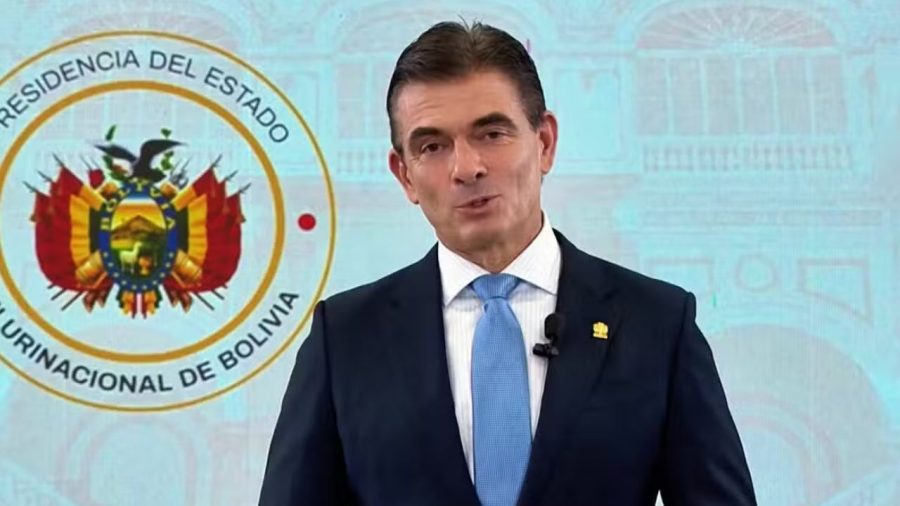



Bolivian President Rodrigo Paz declared a state of emergency on Saturday to mobilise resources to tackle the widespread impact of the El Niño weather phenomenon.
The decree also calls for deploying additional rescue teams to the worst-affected areas as Bolivia faces both flooding and drought linked to El Niño, Paz said in an address to the nation.
“This will be a phenomenon that will have very severe impacts in terms of drought and floods, and we need the cooperation of all institutions,” Paz said.

Drought is affecting 78,000 families in six of the country’s nine departments and has led to the loss of more than 75,000 head of cattle, according to a government report this week.




El Nino warms surface temperatures in the central and eastern equatorial Pacific Ocean, bringing worldwide changes in winds, pressure and rainfall patterns.
The United Nations warned this week that the current El Nino could have “unprecedented” strength that would bring havoc to Latin America, eastern and southern Africa, Asia and the Pacific.
Among Bolivia’s neighbors’ Peru has seen increased temperatures and wildfires, which have already claimed the lives of at least 12 people.

Chile has experienced the rainiest October ever recorded in Santiago, the capital.