


From prolonged school closures during the Covid-19 pandemic to economic hardship caused by Russia’s war on Ukraine, the 2024 mass uprising and subsequent unrest, students who sat this year’s HSC examinations have endured repeated disruptions to their education over the past six years.
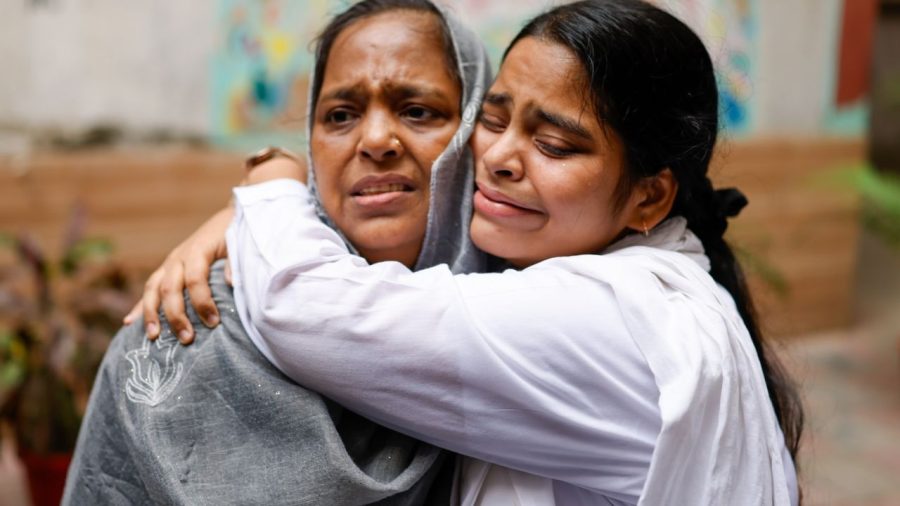
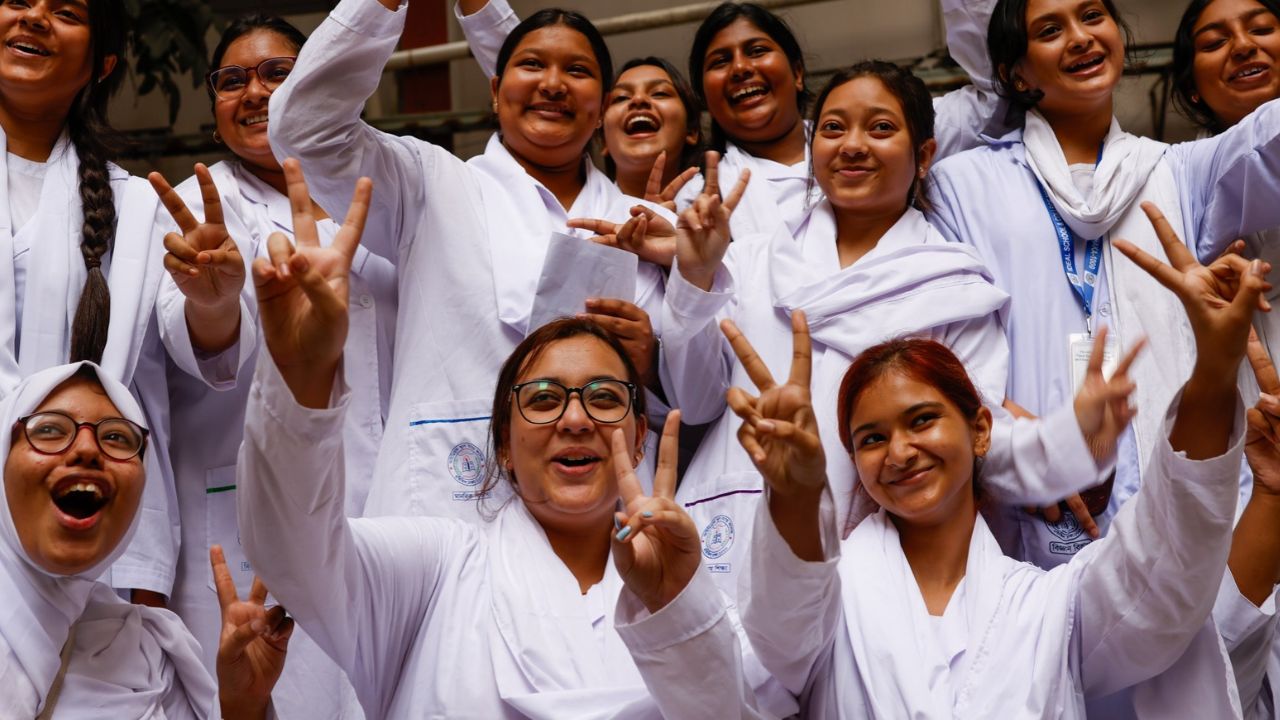
The consequences have become starkly visible in this year’s Higher Secondary Certificate and equivalent examination results, with nearly one in two candidates failing and the pass rate falling to its lowest level in 22 years.
TIMES spoke to college teachers, educationists, economists and education board officials to understand what went wrong.
They identified a combination of pandemic-related learning losses, declining interest in studies, prolonged disruption in educational institutions, excessive social media use and financial pressures on families.
Long-standing weaknesses, particularly teacher shortages and inadequate teaching skills outside major urban centres, have compounded the problem.
The government, however, has maintained for the past two years that stricter assessment standards have contributed to lower pass rates. No grace marks were awarded this year, meaning students who fell short by even one or two marks in a subject could not pass.
Professor Siddiqur Rahman Khan, former director of Dhaka University’s Institute of Education and Research (IER), rejected that explanation.
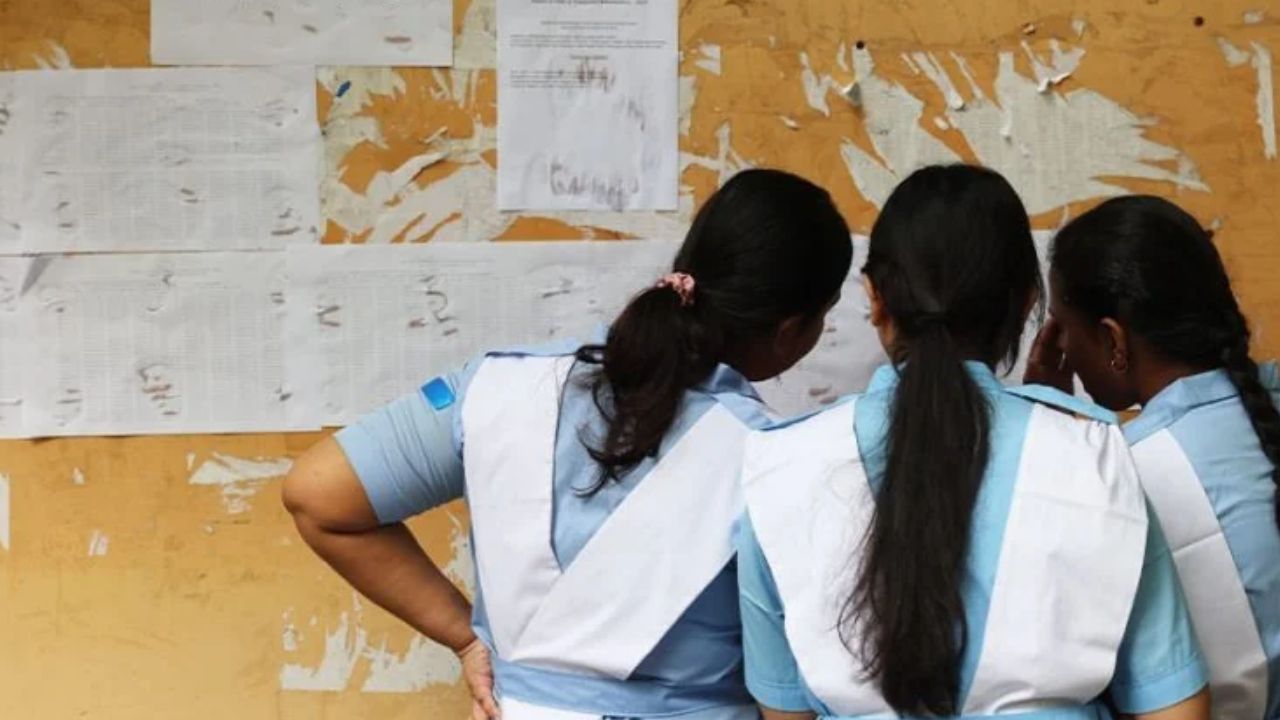
“Whether you call it difficult questions or strict evaluation of answer scripts, failure is unacceptable under any circumstances. A student passes the selection examination, completes the form-filling process and then prepares for another three months. How is it possible that the student then fails in one or more subjects in the board examination?” he told TIMES.
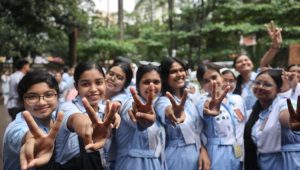
Of the 12,70,583 candidates who sat the examinations nationwide, 6,46,685 passed, with the reported pass rate standing at 52.12 per cent.
The last time the pass rate was lower was in 2004, when the BNP was also in power and 47.74 per cent of candidates passed.
This year’s pass rate was 6.71 percentage points below last year’s. The number of GPA-5 achievers also fell from 69,097 to 40,084.
Education Minister ANM Ehsanul Hoque Milon acknowledged the setback. “The results have not been satisfactory. The ministry and education boards will work to overcome this problem,” he said.
Professor Syed Akhtaruzzaman, chairman of the Dhaka Education Board and president of the Inter-Education Board Coordination Committee, said policy changes over the past two years had affected the results.
“If the trend of assessment based on actual merit continues, the pass rate will gradually increase,” he said.

Pandemic leaves lasting learning gaps
This year’s HSC candidates were in class VI when the pandemic struck in 2020.
Lockdowns lasted 66 consecutive days and a total of 120 to 125 days, while schools remained closed for one and a half years.
Annual examinations were cancelled in 2020. The following year, students sat examinations only in Bangla, English and general mathematics.
Online classes offered some continuity, but studies found that children from low-income families were often unable to participate.
Educationists warned of widening learning gaps, yet the government failed to take effective measures to address them.
Professor Mohammad Mojibur Rahman of IER, DU said students faced further disruption before recovering from the pandemic.
“Before students could overcome the learning losses caused by the pandemic, they had to go through the July 2024 mass uprising and the situation that followed. These experiences also affected their education,” he said.
Economic pressures added another burden.
The war in Ukraine, which began in 2022, contributed to economic difficulties in Bangladesh as inflation began to outpace wage growth.
According to a World Bank assessment cited in the report, at least 80 lakh people have fallen below the poverty line over the past four years, while another 6.20 crore remain at risk because of inflation, declining real incomes and insufficient employment opportunities.




Professor Muhammad Shahadat Hossain Siddique of Dhaka University’s Department of Economics said declining purchasing power had affected families’ ability to support their children’s education.
“Because of declining purchasing power, many families are finding it difficult to spend as much on their children’s education as before. Financial hardship is also forcing many students to enter the workforce. At the same time, families are paying less attention to education,” he told TIMES.
Students in Bangladesh depend heavily on private tuition, particularly in English, mathematics and information technology, subjects that are often inadequately taught in classrooms.
Reduced household spending on education can therefore undermine examination preparation.
English and information technology recorded the highest numbers of failures in this year’s HSC examinations.
Campus unrest erodes learning environment
Changes to the national curriculum brought further disruption.
The Awami League government introduced a new curriculum in 2023, but the interim government scrapped it after the August 2024 mass uprising and abruptly returned to the 2012 curriculum.
For students already struggling with learning losses, the reversal created further difficulties.
Educational institutions remained unsettled for at least one and a half years after the uprising, with teachers struggling to maintain discipline among some students who had participated in the movement.
During that period, allegations against teachers and heads of institutions were followed by demands for their resignation at several establishments.
Teachers faced collective harassment, confinement and forced resignations. Reported incidents included physical assaults, teachers being forced to perform sit-ups while holding their ears and being paraded with garlands of shoes around their necks.
These incidents severely damaged the relationship of trust and mutual respect between teachers and students.
Teachers said some students had been absent from classes for prolonged periods and had shown little interest in their studies. Absenteeism among teachers also disrupted lessons.

Md Kamruzzaman, acting principal of Itna Government College in Kishoreganj, said efforts to improve attendance had failed.
“Although various initiatives, including meetings with guardians, were taken at different times over the past two years, we could not increase student attendance. Their attention to studies was also comparatively low,” he told TIMES.
Abdul Gani, acting principal of Bir Muktijoddha Abdul Haque Government College in neighbouring Mithamoin, reported a similar trend.
Another teacher, speaking on condition of anonymity, described growing difficulties in maintaining discipline.
“We now have to be afraid when dealing with students. They often behave aggressively and do not want to listen,” the teacher said.
Professor Mohammad Ali Zinnah of DU IER, who is also pro-vice-chancellor of the National University, linked the deterioration to the post-uprising environment.

“These circumstances after the movement had a negative impact on students’ studies. There was instability after the movement. Then came mob culture, students staying away from education and growing distance between teachers and students. All these affected learning,” he told TIMES.
Mobile phones, social media and shortcut learning
Teachers and education officials also blamed excessive mobile phone and social media use, inadequate parental supervision and reliance on guidebooks, coaching and shortcuts in exam preparation.
Cumilla Education Board Controller of Examinations Shafiqul Islam cited mobile phone addiction and poor parental supervision, while Belal Hossain, a lecturer at Chak Uli Degree College in Naogaon, said students’ growing attraction to social media was undermining their studies.
Ashraful Alam, associate professor at Naogaon Government Women’s College, and Ashish Kumar Biswas of Banshree Rabindra Smarani College in Magura pointed to dependence on guidebooks, shortcuts and AI-assisted learning at the expense of thorough textbook study.
Shaker Ahmad Chowdhury, assistant professor of political science at Government Ashek Mahmud College in Jamalpur, said students who focused on understanding lessons, building strong fundamentals and studying textbooks performed better than those relying on memorisation and coaching.
Unequal opportunities deepen divide
While results deteriorated nationwide, leading institutions largely maintained their record of strong performance.
Government colleges at district headquarters generally performed better than those at upazila level, exposing significant differences in educational opportunities.
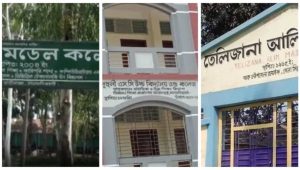
At Gurudayal Government College in Kishoreganj Sadar, more than 80 per cent of candidates passed.
The pass rate was 58 per cent at Karimganj Government College, 51 per cent at Katiadi Upazila Government College and just 34 per cent at Bir Muktijoddha Abdul Haque Government College in Mithamoin’s haor region.

The disparity was also evident between education boards. Dhaka recorded the highest pass rate at 61.80 per cent, while Barishal had the lowest at 44.84 per cent.
Examination centres abroad maintained their record of relatively strong performance. Since 2001, their pass rate has never fallen below 82 per cent and has exceeded 90 per cent for 16 consecutive years.
Professor Zinnah said differences in teacher quality, institutional facilities and students’ socioeconomic backgrounds contributed to unequal outcomes.
“The quality of teachers is not the same everywhere, nor are the facilities. Students also could not prepare equally because of differences in their socioeconomic backgrounds. These factors also played a role,” he said.
Professor Siddiqur pointed to poor teaching standards, inadequate training and a lack of professional commitment among teachers.
“First, the curriculum is followed only in name. Second, there is a severe shortage of teacher training. Teachers cannot conduct classes to the required standard. Finally, because teachers receive low salaries and benefits, they pay less attention to their profession,” he said.

Professor Mojibur described the teacher shortage as severe, saying fewer talented people were entering the profession and opportunities for training after recruitment remained limited.
Unless these weaknesses were addressed, similar results could recur, he warned.
Prof Shahadat called for accountability in institutions where most students had failed.
“At good colleges, 98 to 99 per cent of students pass. Yet there are institutions where 80 to 90 per cent of students fail. There must be accountability in such a situation. I am a teacher, I receive my salary, my students are failing, yet I have no accountability. Such an educational environment should not exist,” he said.
Rakibul Hasan Rokel in Kishoreganj, Majfuj Nanto in Cumilla, Saimum Sabbir Shovon in Jamalpur and Rifat Hossain Shobuj in Naogaon contributed to this report.