


Low-value e-commerce shipments from China to the European Union by air fell 50 per cent year-on-year in September after new import charges raised the cost of the ultra-cheap fashion model, according to aviation consultancy Aevean.
The shift could alter competition in a market where Chinese platforms have built their business around sending €5 tops and €10 dresses directly from factories to consumers in millions of small parcels.
Since 1 July, the European Union has imposed a temporary €3 customs duty on low-value e-commerce imports of up to €150. The measure is scheduled to remain until 1 July 2028, while a separate handling fee on small imported parcels is due to take effect by 1 November.
The fixed charge weighs most heavily on the cheapest products. A €3 duty on a €5 item would raise its cost by 60 per cent if passed fully to the buyer, while the increase would be 30 per cent on a €10 item, according to Bangladesh Apparel Voice.
“For a business model built on €5 tops and €10 dresses shipped straight from a factory to a consumer’s door, small fixed charges hit hard,” Bangladesh Apparel Voice Founder and CEO Mohiuddin Rubel said.

He said shoppers could soften the impact by bundling orders, but the extremely low landed costs that helped make such platforms competitive were being eroded.
The 50 per cent fall in parcel-based air shipments, however, does not necessarily mean sales declined by the same amount.




Platforms can respond by moving inventory into warehouses inside Europe and importing goods in larger consignments before distributing them locally. That could reduce direct parcel traffic from China without an equivalent fall in overall sales.
“Part of this 50 per cent drop may be a change of route rather than lost sales,” Rubel said.
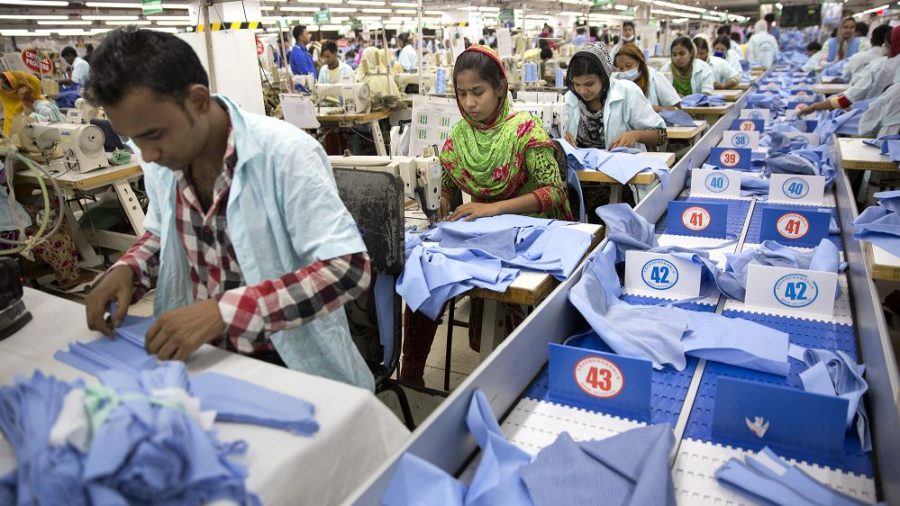
For Bangladesh, the change matters because its garment export model is different.
Bangladeshi manufacturers typically ship in bulk to international brands and retailers rather than sending millions of individual low-value parcels directly to European consumers.
“Our exporters ship in bulk through brands and retailers, not in millions of small parcels, so we are not the target,” Rubel said.
That means the new parcel-based charges pose less direct exposure to Bangladesh’s conventional readymade garment exports.

The bigger opportunity could come from a shift in how European buyers assess value if ultra-low prices become harder to sustain.
“A market that stops rewarding the lowest possible price shifts attention toward reliability, compliance and value,” Rubel said. “That is ground where Bangladesh can compete.”
Bangladesh Apparel Voice said exporters would still need to strengthen production capability, product diversity and quality to benefit from any such shift.
Reduced parcel traffic from China, Rubel cautioned, should therefore not be interpreted as an automatic transfer of business to Bangladesh.