


Several proposals have emerged regarding the structure of the next election-time caretaker government following discussions by the Constitution Amendment Committee and political parties. However, none has been finalised. Opposition parties have expressed concern that the proposals could revive past political confrontations. They insist that any formula must remain within the framework of the July National Charter and the referendum, warning of street protests if this is ignored. Political analysts fear that the country could once again face the instability that preceded the 2007 state of emergency.
Without political consensus on a mutually acceptable caretaker government, public confidence in the national election could deteriorate further, potentially triggering another constitutional crisis. The failure to implement the referendum verdict delivered on election day has already widened the divide between the government and opposition. Fearing that the BNP and its allies might unilaterally amend the Constitution, opposition parties have stayed away from the reform process.
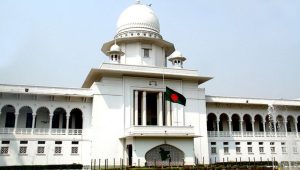
In 1996, following a mass movement, the BNP amended the Constitution to introduce the caretaker government system. In 2004, raising the retirement age of Supreme Court judges made former Chief Justice KM Hasan eligible to lead the caretaker government. The Awami League-led alliance strongly opposed the move, and Hasan eventually declined to take responsibility. The ensuing political crisis culminated in military intervention on January 11, 2007. In May 2011, the Supreme Court’s Appellate Division declared the 13th Amendment unconstitutional, and the Awami League government abolished the system through the 15th Amendment in June that year.

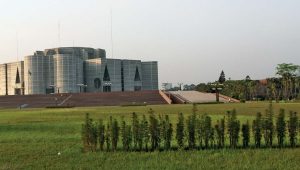
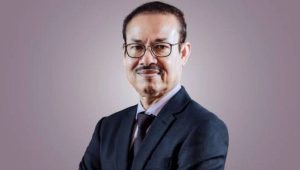
Last Saturday, the Constitution Amendment Committee met constitutional experts, law teachers and senior Supreme Court lawyers. Committee chief Salahuddin Ahmed disclosed a proposal to involve parliament’s upper house in forming the caretaker government. Under one formula, the upper house speaker, selected with the consent of the government and opposition, could head the government, with other advisers also chosen by mutual agreement. Another proposal involves creating a vice-president’s post and appointing the vice-president as upper house speaker.
However, disagreements remain over the upper house’s composition. The BNP wants it formed in proportion to parliamentary seats, which would give it a two-thirds majority. Such disputes raise questions about whether the proposed structure can secure the neutrality and confidence essential to a credible election.



Experts emphasise that a caretaker government must be non-partisan. Debate also continues over whether the president and judiciary should be excluded from the formation process. The BNP’s election manifesto promises to restore a non-partisan caretaker system through parliamentary discussions based on the July National Charter, proposing an elected vice-president while excluding the president and judiciary from the process.
We believe the primary purpose of a caretaker government is to resolve the crisis of trust between the government and opposition. If its formation creates another crisis of confidence, the entire reform effort will lose its meaning. The government and opposition must therefore reach a consensus through inclusive dialogue, guided by the July National Charter and referendum verdict.
Discussions on the upper-house-based model, Article 70 and other constitutional reforms may continue, but no decision should be imposed unilaterally. Political parties must prioritise national interests over partisan advantage.

The people want no further electoral confrontation, violence or bloodshed. They expect credible elections and peaceful transfers of power. Only a broadly accepted, neutral caretaker government can help restore public confidence and protect Bangladesh’s democratic future.