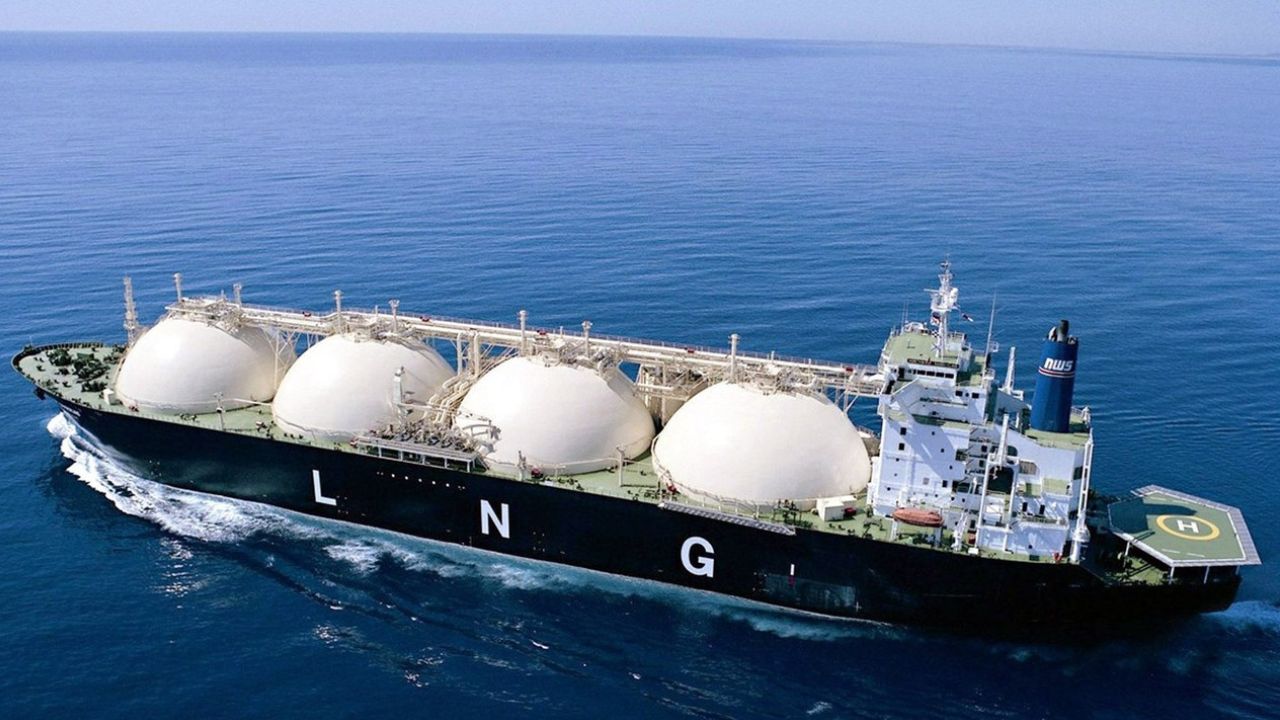
Government warnings and enforcement measures have failed to rein in liquefied petroleum gas (LPG) prices, with consumers continuing to pay well above the official rate since September.
A 12kg cylinder, priced at Tk1,837 by the Bangladesh Energy Regulatory Commission (BERC) for October, is selling for Tk2,200–2,300 in shops across the capital, while some consumers report paying Tk500–700 extra, depending on supply and location.
For Badda resident Nazmul Shikder, whose only source of income is private tuition, the inflated price is adding to the strain of meeting household expenses.
Nazmul said he paid Tk2,300 for a 12kg LPG cylinder at the beginning of the month, Tk463 above the official rate.
“Who pockets the extra money?” he asked.
“Vegetables in the market cost at least Tk80. Things have been like this since oil prices went up a few days ago. Gas prices have also risen so much over the past five or six months. It is becoming increasingly difficult for people like us to make ends meet,” he said.

Dhanmondi resident Sadia Akter had a similar experience, paying Tk2,200 for a 12kg cylinder on 17 October.
“I saw in the news that the government had instructed deputy commissioners in every district to take action against overcharging for LPG. If this is what enforcement looks like, there is nothing more to say,” she said.
Visits to different parts of the capital found 12kg LPG cylinders selling for Tk2,200–2,300, or Tk363–463 above the government-fixed price. Consumers said they sometimes had to pay even more, depending on supply and location.


LPG retailers and importers have offered differing explanations for the price surge. Retailers allege that companies are failing to supply cylinders in line with demand. The LPG Operators Association of Bangladesh (LOAB), which represents importers, maintains that the country has imported sufficient LPG to meet demand and that supply shortages cannot justify charging above the official rate.
Mohammad Sohel, owner of Anas Enterprise, an LPG shop in Hatirpool, said he receives less than half the number of cylinders he orders from companies.
“I have to take my vehicle there and wait in a queue for five days. Even then, I receive only half of what I order. Transport and employee costs are all high. How can I sell at the fixed price?” he said.
Sohel said LPG had sold for less than the government-fixed price in June and July because supply exceeded demand. The situation changed after companies reduced supplies, he added.
Retailers also allege that companies are cutting supplies while selling gas at higher prices than those recorded on invoices. Asked about the allegations, Abu Sayeed Raza, chief marketing officer of Fresh LP Gas Ltd, said only 10–13 companies were currently supplying LPG to the market, although around 50 companies were listed.
“As the remaining companies are not supplying gas, their cylinders are lying idle. Naturally, this puts greater pressure on the companies that are continuing to supply the market,” he said.
Raza said distributors and retailers might be manipulating prices by taking advantage of supply shortages. However, he argued that businesses alone should not be held responsible for the market crisis.
He said BERC last fixed commissions for LPG businesses in 2021 and should review whether those rates remain consistent with current costs, including transportation.
LOAB, meanwhile, has rejected allegations of an LPG supply shortage. In a press release issued on 1 October, the association said 158,000 tonnes of LPG had been imported in August and 156,000 tonnes in September.
According to LOAB, despite adequate supplies, any operator, distributor, dealer or retailer selling cylinders above the fixed price or storing them in violation of regulations would be committing a clear breach of the law.
On 30 September, Energy Minister Iqbal Hassan Mahmood instructed deputy commissioners to take strict action against excessive pricing. The government warned that those selling LPG above the fixed rate or engaging in irregularities would face punitive action under existing laws. Consumers, however, continue to complain that they cannot buy LPG at the official price.
Earlier, the LPG Business Cooperative Association Ltd announced a nationwide suspension of LPG sales on 15 and 16 October, citing several demands, including an end to harassment of LPG businesses. The association later withdrew the programme following the minister’s warning and BERC’s assurance that it would hold a public hearing.
The businesses are demanding higher distributor commissions, an end to companies raising prices multiple times a month at their discretion, and mandatory compliance with BERC decisions on price adjustments. They have also called for gas refilling to resume at cylinders belonging to companies that have remained inactive for a long time and for an end to what they describe as unreasonable fines imposed by the Directorate of National Consumer Rights Protection.
Since April 2021, BERC has been setting prices for LPG supplied by both public and private sectors. As private-sector LPG depends on imports, prices are adjusted monthly based on international propane and butane prices, the dollar exchange rate and other costs.