



Bangladesh’s media landscape may have witnessed a remarkable breakthrough: the arrival of a new form of journalism where uncomfortable questions are no longer considered news. The real story is the person who dares to ask them.
A particular television outlet appears to have mastered this innovative approach, but it is hardly alone. Across the media landscape, a new competition seems to be emerging — not over who can investigate deeper, but who can praise power more elegantly.
The race is simple: the first outlet to turn a difficult question into a patriotic achievement wins the day.
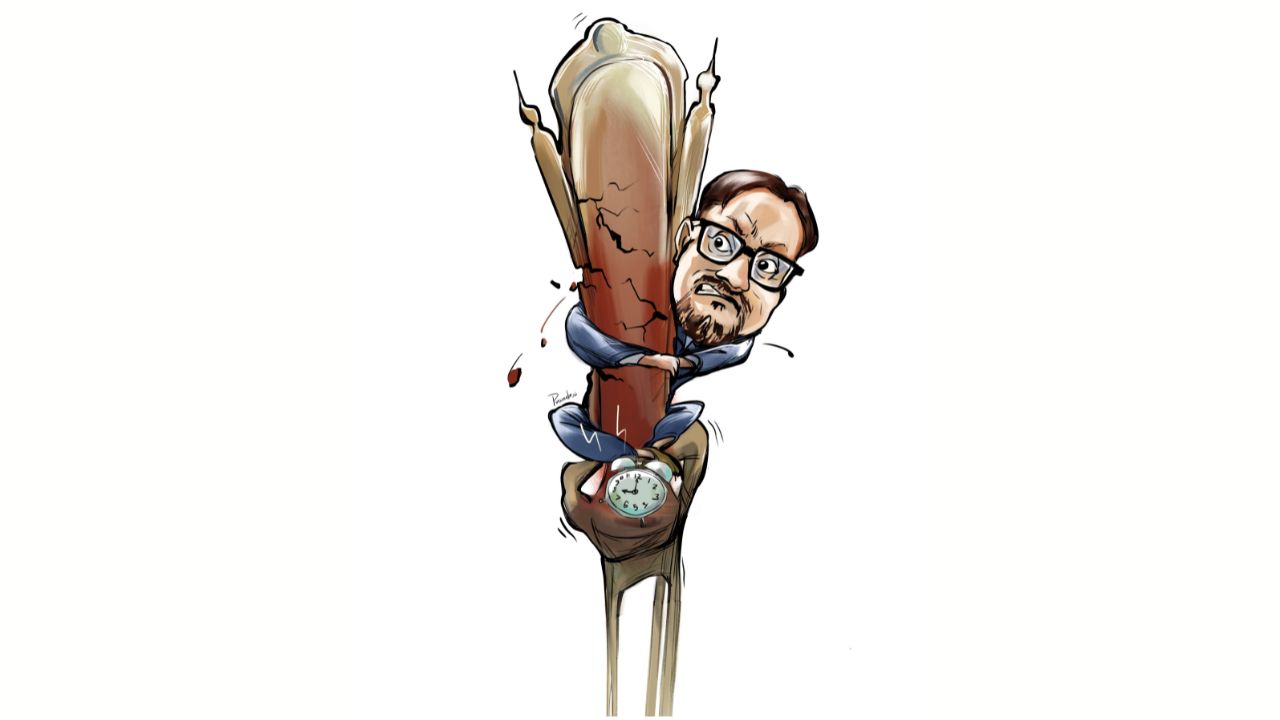
When the state minister for foreign affairs faced a straightforward question about dual citizenship and responded, “Which newspaper? Who is so troubled?”, the moment could have become an opportunity for clarification.
Instead, it became a masterclass in modern journalism: transforming an unanswered question into a celebration of leadership.
A newspaper seeking answers was presented as a jealous and frustrated force allegedly standing in the way of national progress. The minister, meanwhile, emerged as a heroic figure who had sacrificed the comfort of London to dedicate himself to building the nation.
Who needs constitutional debates when there are inspiring personal stories?
After all, what matters more: whether a public official meets legal requirements or whether viewers feel proud while watching television?
This is the future of responsible journalism — where facts remain important, but only after receiving approval from the national image department.
The traditional newsroom question used to be:
“Is this true?”
But under this upgraded model, the question has evolved:
“Will this make someone powerful uncomfortable?”
If the answer is yes, then perhaps the problem is not the issue. Perhaps the problem is the person who raised it.
There is, of course, nothing wrong with highlighting government achievements. A country needs optimism, confidence and stories of progress.

But why stop at positive coverage?
Why not remove the burden of criticism altogether? Why waste valuable airtime discussing contradictions, unanswered questions or uncomfortable facts when every official statement can simply be packaged as a historic achievement?
Accountability, under this philosophy, becomes an unnecessary inconvenience. It creates pressure on decision-makers and risks damaging carefully prepared images.
A truly modern media outlet understands that power should not be disturbed by difficult questions.
It should be protected from them.
Under this model, a journalist asking whether a public official meets constitutional requirements is not performing journalism — they are creating discomfort.
A newspaper demanding explanations is not strengthening democracy — it is disturbing the national mood.
A minister avoiding an answer is not a moment requiring scrutiny — it is an opportunity to highlight patience, confidence and leadership under pressure.
This is the new formula:



Praise the answer. Ignore the question. Criticise the questioner.
Simple, efficient and perfectly suited to the age of image management.
But why should only one outlet receive credit?
The competition is much bigger.
Other media houses have also discovered the benefits of a softer approach. Investigative journalism is difficult, time-consuming and occasionally uncomfortable. Celebratory journalism is much easier.
Why chase documents, verify claims or challenge powerful figures when a flattering headline can achieve the same result with far less effort?
The modern newsroom’s success metric may soon change.
Not:
“How many questions did we ask?”
But:
“How many powerful people did we make feel appreciated today?”
Imagine if every media house adopted this approach.
Bangladesh would finally achieve the dream of a completely positive news cycle.
No embarrassing reports.
No uncomfortable investigations.
No difficult debates.
Governments would always be successful. Ministers would always be visionary. Every policy would be historic. Every criticism would automatically become jealousy.
Every powerful figure would receive the media treatment usually reserved for national heroes.
The Constitution would remain safely preserved — printed beautifully, displayed proudly and consulted only when convenient.
The country’s image would shine brighter than ever.
Not because every problem had disappeared, but because fewer people would be allowed to mention them.
This would be the ultimate achievement of modern journalism: a nation where nothing goes wrong because nothing inconvenient gets reported.
A healthy democracy, however, depends on a different principle.
Questions are not attacks.
Scrutiny is not hostility.
Accountability is not a threat to national interest.
A government confident in its decisions does not need protection from questions. It needs questions to prove that its decisions can withstand examination.
The danger begins when criticism is portrayed as disloyalty, accountability as disruption and independent journalism as an inconvenience.
When media outlets compete to become the most loyal defenders of those in power, journalism risks losing its most important responsibility — serving the public.
Under the perfect media model, the ideal newsroom would not challenge power.
It would simply ensure that power always looks good on screen.
Perhaps the future of journalism is finally clear:
Fewer questions.
Fewer investigations.
Fewer uncomfortable truths.
More flattering headlines.
More carefully designed praise.
More stories explaining why those in power are always right.
The perfect media environment will have no bad news, no difficult conversations and no accountability.
The only remaining question will be: