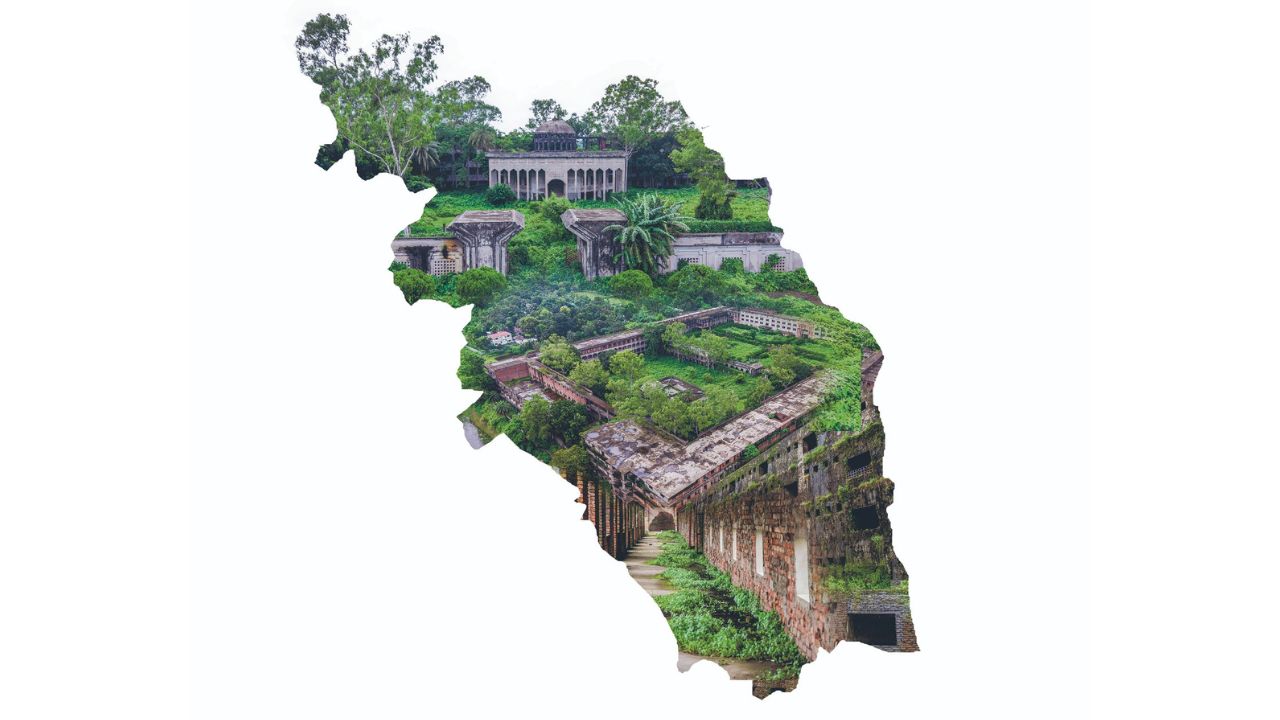

The dream was to build a modern, specialised cancer hospital. A sprawling four-storey building. Three wide entrances. Open spaces all around. One could imagine ambulances arriving one after another, patients on stretchers rushing to the emergency department, doctors in white coats walking briskly through the corridors toward the operating theatres.
But the moment you reach the gate, the vision shatters. Businessman and industrialist Khan Mohammad Iqbal built this vast hospital complex in Dhaka’s Dhamrai with the goal of ensuring modern cancer treatment for ordinary people.
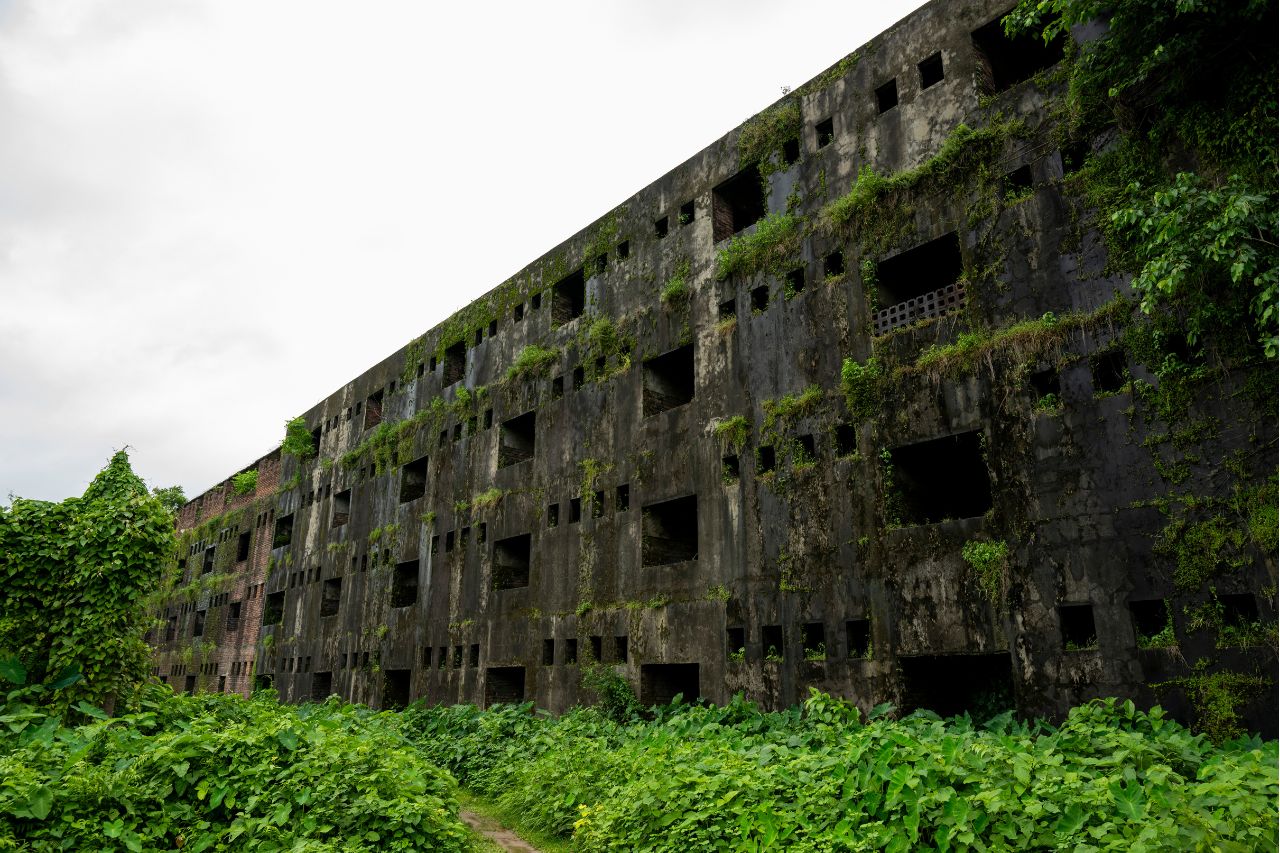
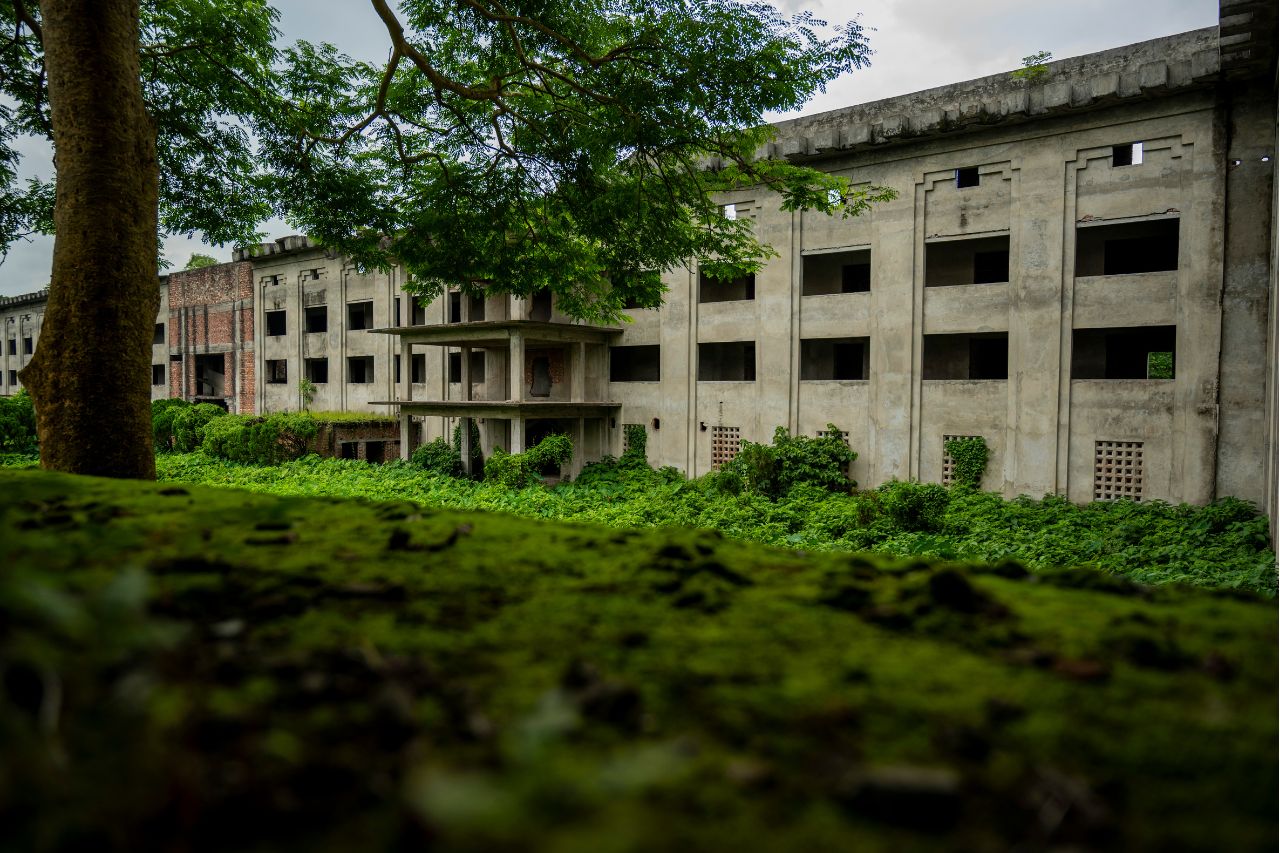
Today, it stands as a monument of unfulfilled promise. Construction was in its final stages when Iqbal passed away in 2017. After his death, due to a financial crisis and a lack of initiative from his successors, the hospital never opened. Years of neglect have left the project abandoned.
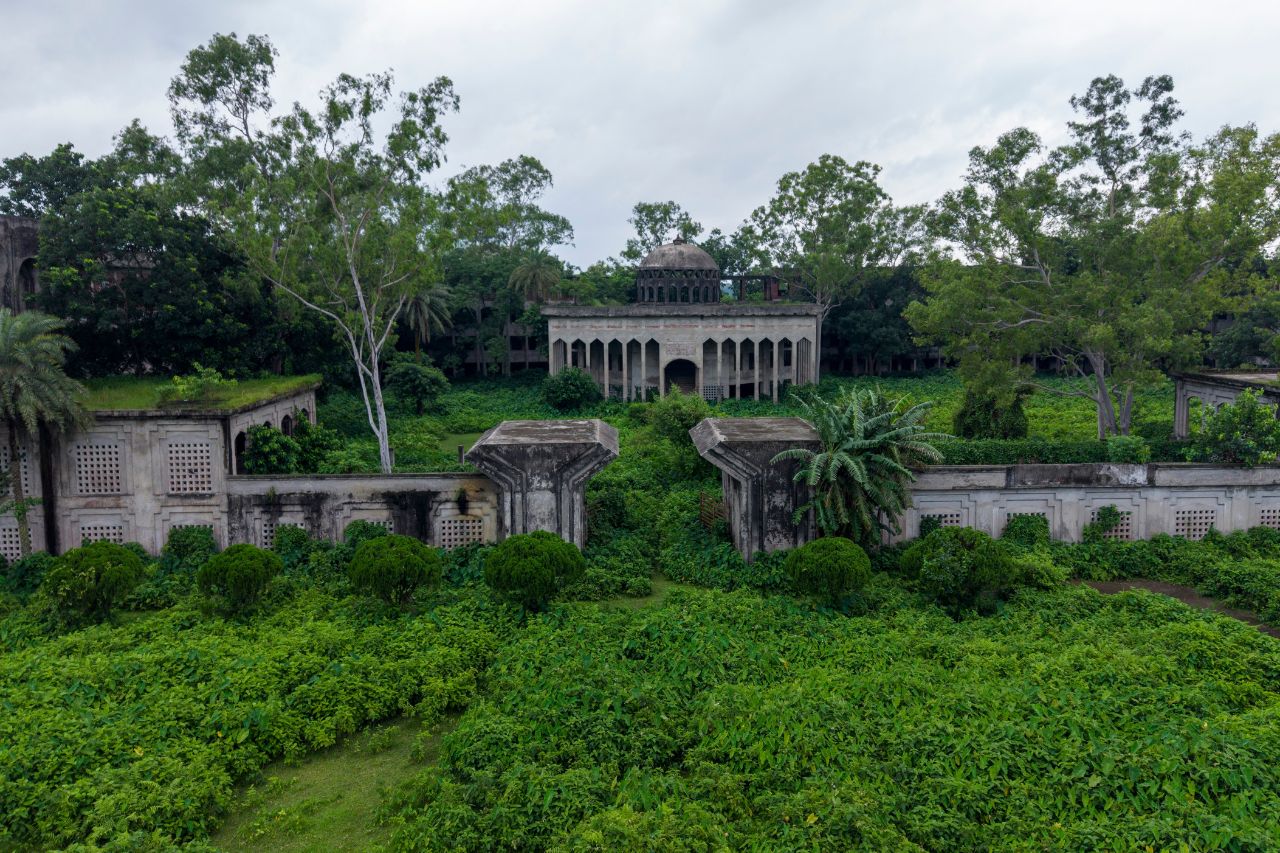
On the wall beside the iron gate, the only identification reads “Hospital Complex.” Moss has grown over the letters, the paint has peeled away – as if no one has even uttered the name for years. Pushing open the gate, you are met with knee-high weeds. The path where patients’ relatives were meant to walk is now reduced to a narrow trail carved through the thickets.

Plaster has crumbled from the walls due to rain. Windowpanes are missing, countless openings staring out like empty eyes. Iron grilles have been installed on the open ground floor – not to protect patients, but as a last attempt to prevent drug addicts from roaming freely.
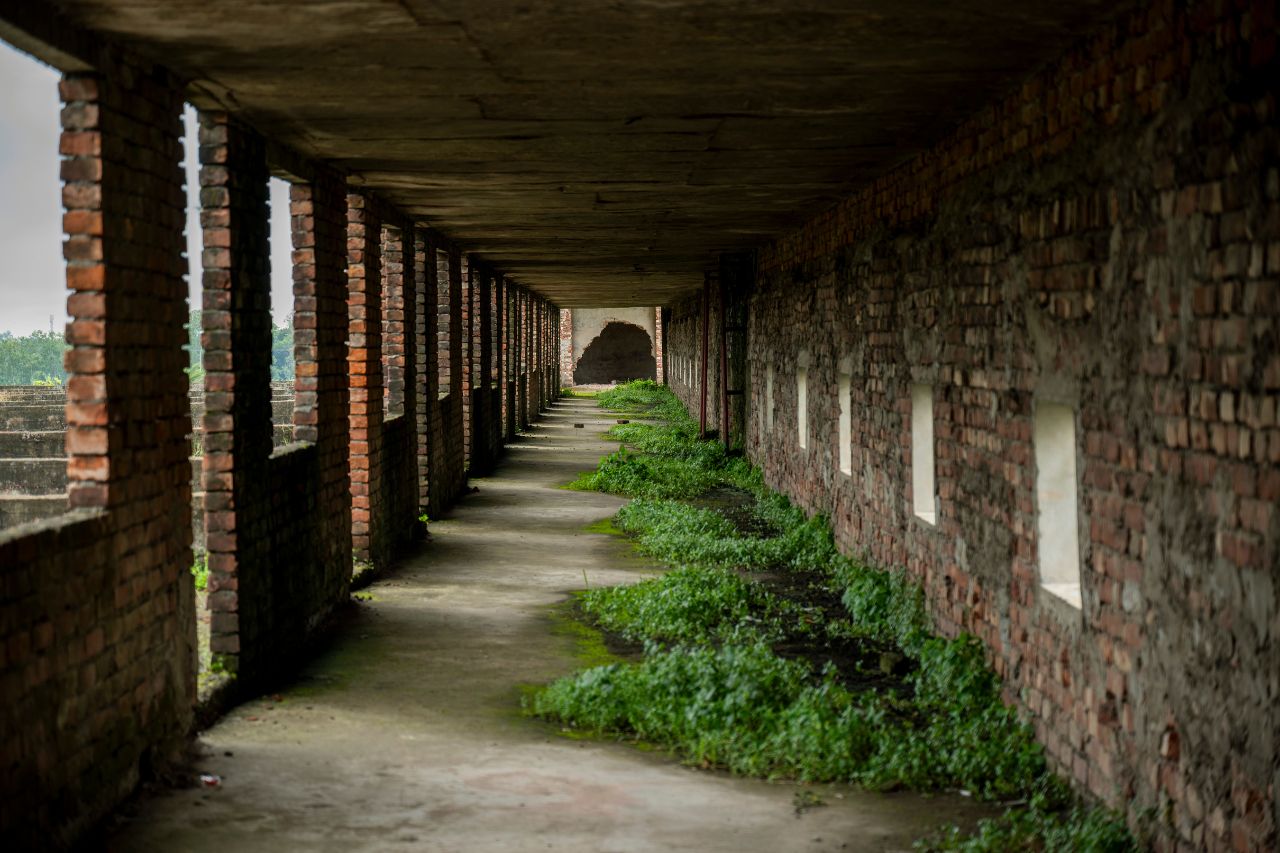
On the second, third, and fourth floors, air flows in and out unobstructed. No patients in the wards. No lights on in the cabins. No sound of nurses walking down the corridors. Only the echo of your own footsteps returns to you. For a moment, you might think you are on the set of a horror film.
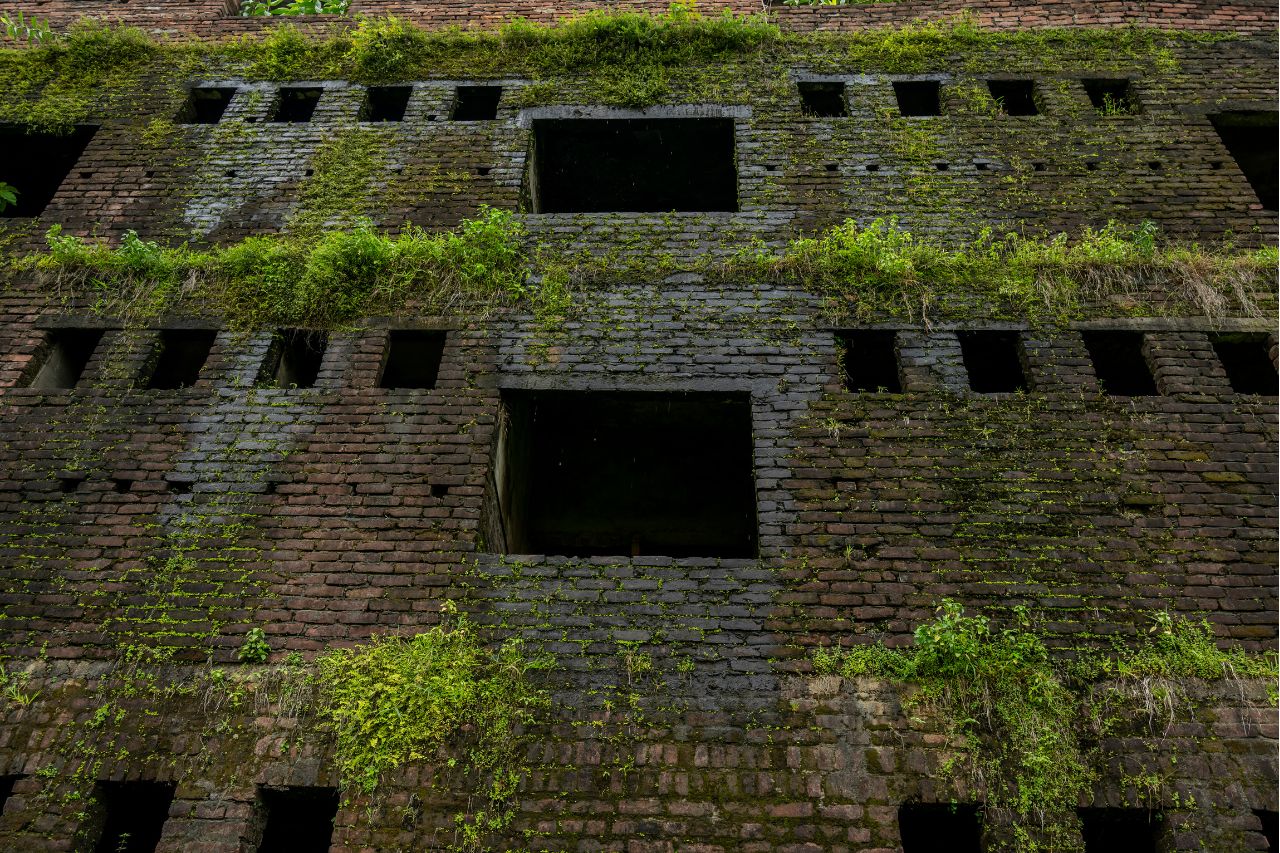
This is a hospital building that, in four decades, has never treated a single patient. The hospital complex stands on about 16 acres of land between the villages of Worshi and Paikpara in Chauhut Union, Dhamrai. Where it should have been bustling, there is now only jungle, weeds, and silence.



Local resident Mahbubur Rahman Sajal told TIMES of Bangladesh, “Young people from the area go inside to do drugs.” That his words are not an exaggeration becomes clear upon entering. In the deserted corridors, dusty rooms, and corners of abandoned staircases, traces of drug use are visible everywhere.
The story of the hospital begins much earlier. In the early 1980s, businessman Yunus Khan was diagnosed with cancer. His son Iqbal took him to hospitals at home and abroad but could not save him.
Before dying in London, his father said, “Allah has given us a lot of wealth. The people of this country should not be forced to go abroad for cancer treatment. Build a hospital.”
Taking those words as his life’s mission, Iqbal began construction of the Yunus Khan Cancer Medical College Hospital in 1989. On a total of 16 acres – combining ancestral land and land purchased from locals – a full medical complex was planned, including a medical college, dormitories, doctors’ residences, a mosque, and a pond.
According to the Iqbal Ahmed Foundation, the cost was approximately Tk315 crore. But time stopped in 2017.
Morshed Chowdhury, the establishment’s manager, said Iqbal had completed most of the structural work before his death that year.
“Several initiatives were taken in the past to open the hospital. Talks were held with India. Discussions with the government are ongoing. If the government takes the initiative, the project has a high chance of being implemented,” Morshed said.
Currently, the founder’s wife oversees the property. However, according to Morshed, she is not interested in speaking to the media.
“If positive steps are taken regarding this hospital, the people of the entire area will benefit from healthcare services,” Morshed said. Local residents have not lost hope. Since the building’s main structure still stands, they dream that it can be revived.
Local resident Akbar Ali said, “If this hospital opens, people here will not only get jobs, but we won’t have to suffer going all the way to Dhaka for treatment.”