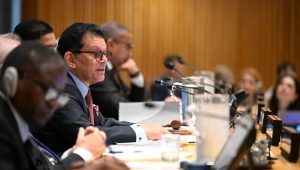
Two bills, the “Alcohol and Gambling (Prohibition) Act, 2026” and the “Code of Criminal Procedure (Amendment) Act, 2026,” were withdrawn shortly after being moved in Parliament on Thursday.
Opposition Member of Parliament (MP) Shahajahan Chowdhury withdrew the bills following a request from the Law, Justice and Parliamentary Affairs Minister Md Asaduzzaman. During the session, the law minister said the objectives the MP sought to achieve are already encompassed within existing legislation.
He highlighted that the “Gambling Prevention Act, 2026” was passed during the current session and that various provisions of the “Narcotics Control Act, 2018” already address the control of alcohol and narcotics.

Consequently, he argued there was no need for new laws on the same subjects and requested the withdrawal.
Upon the law minister’s remarks, Shahajahan consented to the withdrawal. Deputy Speaker Barrister Kayser Kamal, who was presiding over the session, subsequently announced that as the proposer had decided not to move the bills, the matter would not be put to a vote.




The statement of objects and reasons for the proposed “Alcohol and Gambling (Prohibition) Act, 2026” underscored the need to protect the public, especially the youth, from harmful effects of alcohol and gambling. It said prohibition is necessary to prevent social and familial decay and to safeguard public health and moral values.
The statement further added that addiction to these activities damages the morality, self-control, and productivity of young people, potentially leading them toward criminal behaviour or causing them to deviate from their education and careers.
It also cited Article 18 of the Constitution, which mandates improvement of public health and morality as a justification for the proposed ban.
According to the Rules of Procedure of Parliament, any MP who is not a minister may move a bill as a proposal for legislation in the public interest, provided they receive the House’s permission.
While there have been instances of such bills being raised in the country’s parliamentary history, very few have ultimately been enacted into law.