



The roads are as narrow as the lanes of Old Dhaka. Rows of fabric shops line both sides, and people move through crowds and handcarts loaded with goods. This busy road is Islampur, an area known as the country’s largest wholesale cloth market for more than two and a half centuries.
Ahead of Eid, Durga Puja or other festivals, the market becomes crowded with traders from different parts of the country.
That picture has gradually changed over time. With the expansion of information technology, the growth of e-commerce and the emergence of new wholesale markets at district level, the way business is conducted in Islampur has also changed. Buyers no longer need to spend several days in the market selecting products as before. Many now place orders after viewing photographs on their mobile phones, while traders send goods across the country through courier and parcel services.
For decades, Islampur dominated the country’s cloth trade. That exclusive position has now eased due to online business, district-level wholesale hubs and direct sales by importers. Even so, the 253-year-old traditional market remains one of the country’s main textile trading centres because of its wide variety of fabrics, competitive prices and extensive supply network. Traders say that although the crowds have reduced, the importance of Islampur has not; only the method of doing business has changed.

Historical records show that Islampur began its journey as a wholesale cloth market in 1773 during the British East India Company period. However, the area was named and settled after 1610 following Mughal Subahdar Islam Khan Chishti. The market expanded further after Bangladesh’s independence. It now has several thousand small and large shops. Traders estimate an annual turnover of around Tk25,000–30,000 crore. The market becomes busiest before Ramadan and the two Eids, when trading continues from dawn until late at night.
Islampur offers a wide range of fabrics, including Rajshahi silk, jamdani and katan, as well as imported fabrics from India, China and Pakistan. It also has extensive collections of sarees, three-piece suits, burqas, lungis, unstitched fabric, panjabis, shirting materials and children’s clothing fabrics.
Md Mamun Islam, who has been in the cloth business for about 40 years, told TIMES of Bangladesh: “At one time, during the Eid season, there was no room to stand inside the shop. Business is still good now, but there are not as many crowds as before. Traders still come from different districts of the country. However, many now place orders online. The nature of business has changed.”



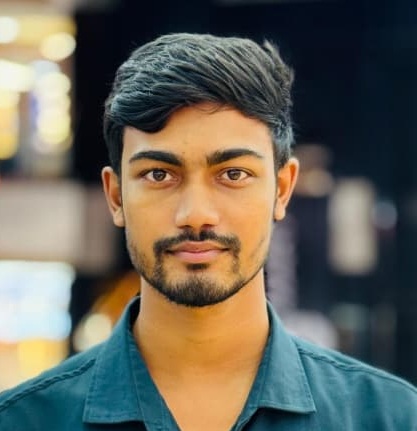
Three-piece trader Ibrahim Sheikh described the changes more clearly. He said, “Previously, a buyer would stay in Islampur for three or four days to purchase goods. Now they place orders after viewing photographs on their mobile phones. Some complete all their purchases in a single day, while others buy goods without coming to Dhaka at all. We deliver the products to them through courier services.”
A trader from Gulshan Ara City told TIMES that Islampur is still the country’s largest cloth market. However, as major wholesale centres have developed in different districts, many traders are now sourcing goods from their local markets.
Trader Tahmid Hasan said that simply sitting in a shop is no longer enough to run a business. He said, “We are using Facebook, live videos and online platforms. Because of courier services, we can quickly send products anywhere in the country. This is also creating new customers.”
Traders said the shift to digital systems has reduced many of the risks associated with wholesale trade. Earlier, buyers from distant districts had to stay in Islampur for several days to select goods, negotiate prices and arrange transport, often carrying large amounts of cash. Now, transactions are increasingly completed through mobile phones, online payments and courier delivery.
Md Mamun Islam also said, “When buyers from the districts had to stay in Dhaka for several days. They carried large amounts of cash, which also involved risks. Now we can show fabrics on mobile phones, take orders, receive payments through bKash or banks, and then send the goods by courier.”
Ibrahim Sheikh told TIMES that “Now we communicate with most buyers by mobile phone. There is no longer any need to come to Islampur repeatedly as before.”
However, the biggest complaint from both local and visiting traders is infrastructure and traffic congestion. Transporting goods into and out of the market takes excessive time, and vehicles often struggle to enter the area. Traders expect that if traffic congestion is reduced, modern warehouse facilities are developed and the necessary infrastructure is improved, Islampur will regain momentum and strengthen its position as the country’s textile trading centre.
Irfan Reza, a trader who came from Narsingdi to buy fabric, said, “Coming to Islampur means being stuck in traffic for hours. So now I come less often unless it is necessary. Many times I place orders online. Sometimes I also buy fabric from the wholesale market in Khulna.”
On the other hand, Shahjahan Ali, a trader from Kushtia, still considers Islampur his first choice. He said, “All types of fabric are available in one place. There is much more scope for bargaining. So whenever necessary, I still come to Islampur.”