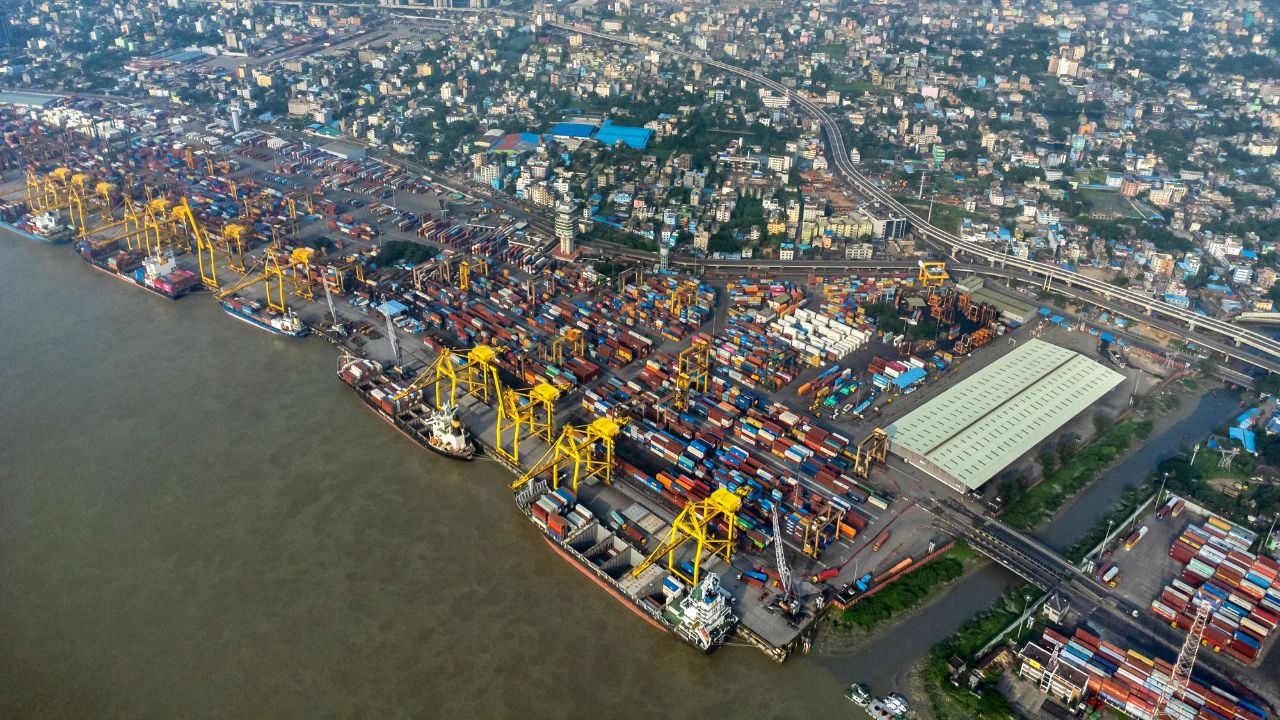
Concerns are mounting over an initiative to relocate the head office of Bangladesh Petroleum Corporation (BPC) from Chattogram to Dhaka, with energy sector insiders warning that such a move could severely disrupt the country’s fuel supply chain, weaken operational efficiency, and expose the sector to significant financial and strategic risks.
Officials, consumer rights activists, and members of civil society argue that the proposed relocation is being driven more by the personal preferences of a handful of senior officials than by institutional necessity. They fear the move could undermine the very purpose for which BPC’s headquarters was shifted to Chattogram more than three decades ago.
The issue resurfaced recently after Comilla-6 lawmaker Monirul Haque Chowdhury submitted a notice under Rule 71 of the Rules of Procedure in Parliament, calling for the relocation of BPC’s headquarters to Dhaka and the construction of a separate office building there.
Following the proposal, the Energy and Mineral Resources Division sought opinions from BPC on an urgent basis.
This development has triggered strong reactions within the corporation and among business and civic groups in Chattogram. On May 18, a group of BPC officials, employees, and representatives of Chattogram civil society submitted a protest letter to the Home Minister opposing the move.
They noted that BPC’s headquarters had been shifted to Chattogram in 1990 as part of the government’s decentralisation policy because the country’s petroleum import, refining, and distribution operations are heavily concentrated in the port city.

According to the protest letter, almost the entire fuel supply chain of Bangladesh is connected to Chattogram. Imported crude and refined petroleum products are unloaded through Chattogram Port, processed at Eastern Refinery Limited, and distributed nationwide through the storage and transmission facilities at Patenga.
Furthermore, the headquarters of all eight BPC subsidiaries and affiliated companies are located in Chittagong.
Key national energy infrastructures, including the Single Point Mooring (SPM) project, oil installations in Patenga, and the Matarbari deep-sea port project, are also based in the greater Chittagong region. Officials estimate the value of these energy-related infrastructures at approximately Tk 10,000 crore.
Sector insiders warn that relocating the headquarters away from these operational hubs would create a disconnect between policymakers and field operations, resulting in slower decision-making, weaker monitoring, and increased operational inefficiency.



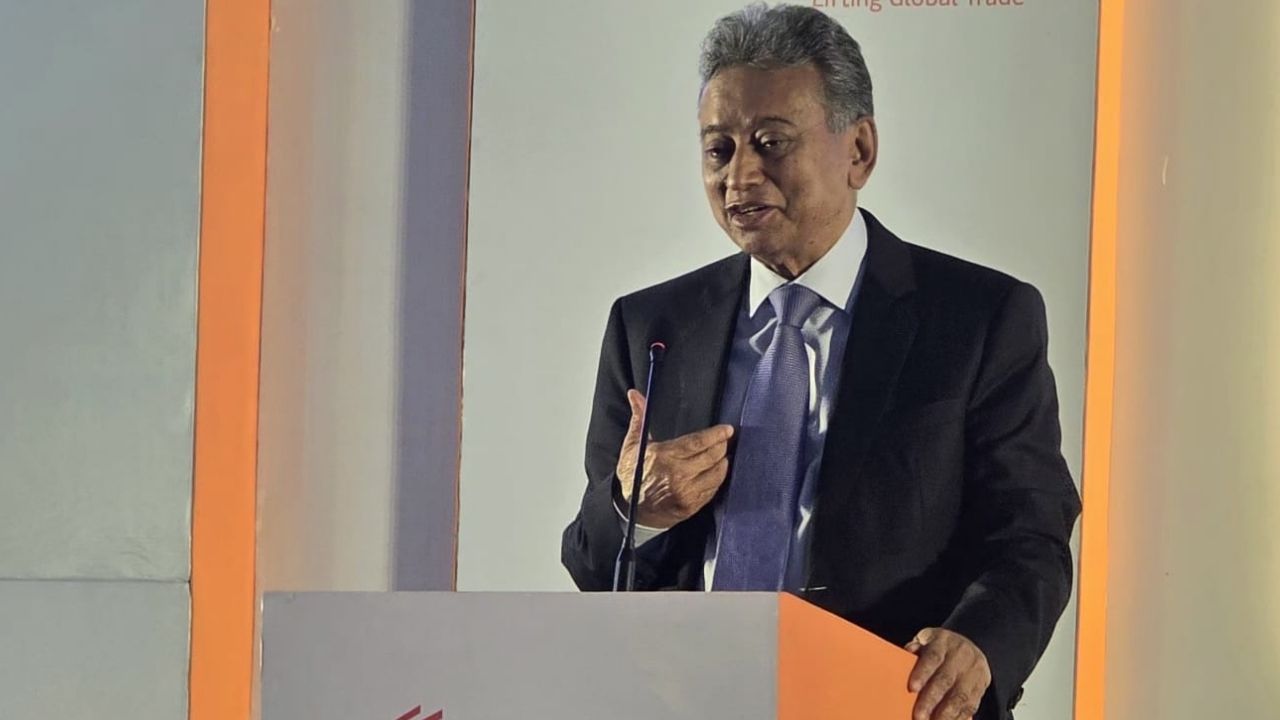
A senior BPC official, speaking on condition of anonymity, told Times of Bangladesh that Chattogram remains the operational nerve centre of the corporation.
“Everything from unloading imported fuel oil to handling emergency supply management is controlled from Chattogram. During the recent fuel crisis, quick decisions and direct monitoring from the port city helped stabilise the situation. Managing such emergencies from Dhaka would be far more difficult,” the official said.
He added that any delay in operational decisions could create supply disruptions, increase transportation and coordination costs, and ultimately raise the financial burden on the state-owned corporation.
Critics also fear that moving the headquarters to Dhaka could increase the country’s energy security risks during emergencies or global supply disruptions. They argue that BPC officials need to remain physically close to ports, refineries, storage terminals, and marine installations in order to respond quickly during crises.
The controversy has also highlighted what many describe as a growing “Dhaka-centric culture” among BPC’s top officials.
Although the corporation’s official headquarters is located on Saltgola Road in Chattogram, many senior officials reportedly spend most of their time at BPC’s liaison office in Karwan Bazar, Dhaka. Some officials posted in Chattogram are also accused of unofficially operating from the capital for extended periods.
According to BPC sources, Director (Finance) Nazneen Parveen attended office in Chattogram for only one day during Ramadan, while Director (Marketing) Md. Sabet Ali, Director (Operations) AKM Shamsul Haque, and Director (Planning) Muhammad Asadul Haque reportedly visited Chittagong only briefly earlier this month as part of the chairman’s official tour.
Consumers Association of Bangladesh (CAB) Senior Vice-President SM Nazer Hossain termed the proposal “suicidal” and “completely irrational.”
“The country’s principal seaport, the only state-owned refinery, and most private oil companies are located in Chattogram. Removing BPC’s headquarters from the city would create administrative stagnation and delay operational activities,” he said.
“In any fuel crisis, immediate decisions are crucial. Those decisions cannot be effectively taken sitting in Dhaka,” he added.
Nazer Hossain further alleged that the relocation proposal is largely motivated by the unwillingness of some top officials to stay in Chattogram due to personal and family considerations.
Meanwhile, BPC Secretary Shahina Sultana said the corporation is currently collecting opinions from various departments following the parliamentary query.
“We are compiling information and feedback from all divisions before sending our observations to the ministry,” she told Times of Bangladesh. She added that differing opinions exist within the organisation regarding the proposed transfer and no final decision has yet been made.
Repeated attempts to contact BPC Chairman Md. Rezanur Rahman for comments were unsuccessful, as he did not respond to phone calls or WhatsApp messages.