The army is set to return to barracks after nearly two years of deployment across the country, following a decision taken at a meeting of the law and order-related core committee on Tuesday.
Officials said the final phase of troop withdrawal would begin on 6 June, with all army personnel expected to be removed from field-level duties within the month.
According to decisions taken at the meeting, troops stationed in remote districts will be withdrawn first, followed by personnel in divisional cities and larger districts in phases.
The meeting was the first held by the reconstituted core committee after BNP formed government following the 13th parliamentary election.
The committee was reorganised on 21 April, with Home Minister Salahuddin Ahmed appointed as its chairman to oversee assessments of law and order and internal security issues.
The meeting, chaired by the home minister, was attended by Inspector General of Police, Dhaka Metropolitan Police Commissioner, Border Guard Bangladesh Director General and senior officials from several other agencies.
The nearly two-and-a-half-hour discussion focused on the final withdrawal of army personnel from the field, the country’s law and order situation, extortion across the country and proposed changes to police uniforms.

The army was first deployed nationwide on 19 July 2024 after the then-Awami League government imposed a curfew amid mass protests.
Following the fall of the government during the movement, army personnel continued to remain deployed under the interim administration in support of the civil administration.
Army officers were also granted magistracy powers during the period.
The military also played a key role in maintaining security during the national election held on 12 February.
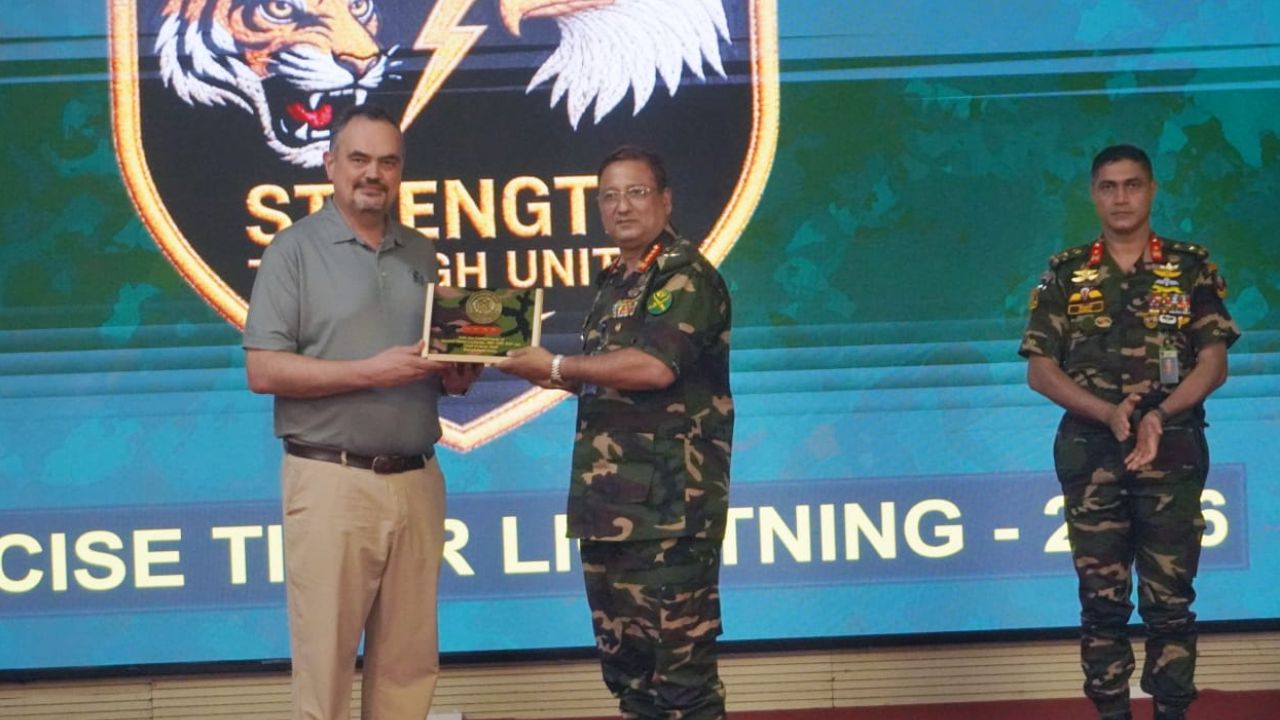


Officials said around 17,000 army personnel are still deployed across the country at field level.
The Ministry of Defence had repeatedly requested the Home Ministry to complete the final withdrawal of army personnel from field operations, citing fatigue among troops after prolonged deployment and the need for rest.
Army Chief General Waker-Uz-Zaman said as early as August 2024 that the military wanted to return to barracks once the police force had been reorganised.
He said army personnel would then return to their regular duties.
Some troops began to be withdrawn from field-level deployment from November last year.
However, army personnel remained deployed across the country during the parliamentary election, as in previous elections.
Following the polls, the army chief said on 16 February that the military would return to barracks once an elected government assumed office.
No opposition to bail unless charges are serious
The meeting also discussed journalists arrested following the July mass uprising.
According to officials familiar with the discussions, it was decided that authorities would not oppose bail for journalists unless they were accused of serious crimes.
Law enforcement agencies were also instructed not to harass journalists seeking to travel abroad.
The committee further decided to provide gunmen for the administrators of Dhaka North City Corporation and Dhaka South City Corporation.
The meeting also discussed proposed changes to police uniforms.
Sources said the Inspector General of Police requested that khaki trousers not be included in the redesigned uniform.
However, the request was not accepted, meaning the police uniform will remain a combination of navy blue shirts and khaki trousers under the government’s approved plan.
The law and order-related core committee also discussed the outcome of the West Bengal legislative assembly election in neighbouring India.
Officials were instructed to strengthen security measures in border areas in anticipation of possible changes in the regional situation following the political transition.