The government plans to reduce dependence on bank borrowing and promote equity-based industrialisation by encouraging businesses to raise capital from the stock market, said Prime Minister’s Economic Affairs Adviser Rashed Al Mahmud Titumir.
He made the remarks on Sunday at a seminar titled “Challenges and priorities for the new government in the capital market”, organised by Capital Market Journalists Forum (CMJF) at a hotel in the capital.
According to Titumir, policies will be introduced to determine which businesses should rely on bank loans and which should raise funds from the capital market, adding that reform measures will be reflected in the upcoming national budget.
He also outlined plans to shift the capital market away from the influence of a small group towards broader ownership and participation.
A dedicated investment gateway for expatriates is under consideration to facilitate easier investment in the domestic market.
Bangladesh, he noted, also has scope to expand Islamic finance instruments in the capital market to attract investors from Muslim-majority countries.

To enhance transparency and security, technologies such as blockchain will be introduced in market operations, he added.
Greater accountability will be ensured among auditors, asset valuers and credit rating agencies, as investors often rely on audit reports when making decisions, he said.
Restoring investor confidence will require strengthening regulators such as the Ministry of Finance, Financial Reporting Council (FRC) and Bangladesh Securities and Exchange Commission (BSEC), Titumir added.
He also argued that the country’s previous consumption-driven economic model was not sustainable and Bangladesh must move towards an investment-driven framework.




The government has set a target of building a $1 trillion economy by 2034 and is working to upgrade the stock market from frontier to emerging market status.
Market capitalisation currently stands at only 12 per cent of gross domestic product, far below levels seen in neighbouring countries.
Presenting regulatory actions, BSEC Chairman Khondker Rashed Maqsood said the commission conducted 126 investigations over the past 18 months and imposed fines totalling Tk1,488 crore for market irregularities.
So far, about Tk5.23 crore has been recovered, he said, noting that legal appeals and the nine-month payment window allowed for fines often delay collection.
In addition, BSEC has referred 16 money-laundering-related cases to the Anti-Corruption Commission, as financial penalties alone were insufficient in some cases.
To prevent fraudulent bank statements used to mislead investors, back-office software has been installed in 280 brokerage houses at Dhaka Stock Exchange (DSE), he added.
Reflecting on market policy, DSE Chairman Mominul Islam said the capital market had received little policy attention over the past 15 years, though the current government appears more focused on reforms.
Bringing more state-owned enterprises to the market will require stronger inter-ministerial coordination, he said.
Chittagong Stock Exchange Chairman AKM Habibur Rahman said a stable banking system, sound macroeconomic conditions and rule of law are essential for building a strong capital market.
National Board of Revenue Chairman Abdur Rahman Khan said Bangladesh has many laws but weak implementation remains a major challenge.
Tax incentives alone cannot guarantee market stability, he warned, adding that companies unable to deliver dividends should not be approved for listing.
In a keynote paper, DSE Brokers Association of Bangladesh Senior Vice-President Moniruzzaman said Bangladesh’s financial system faces structural imbalance as banks are forced to provide both short- and long-term financing.
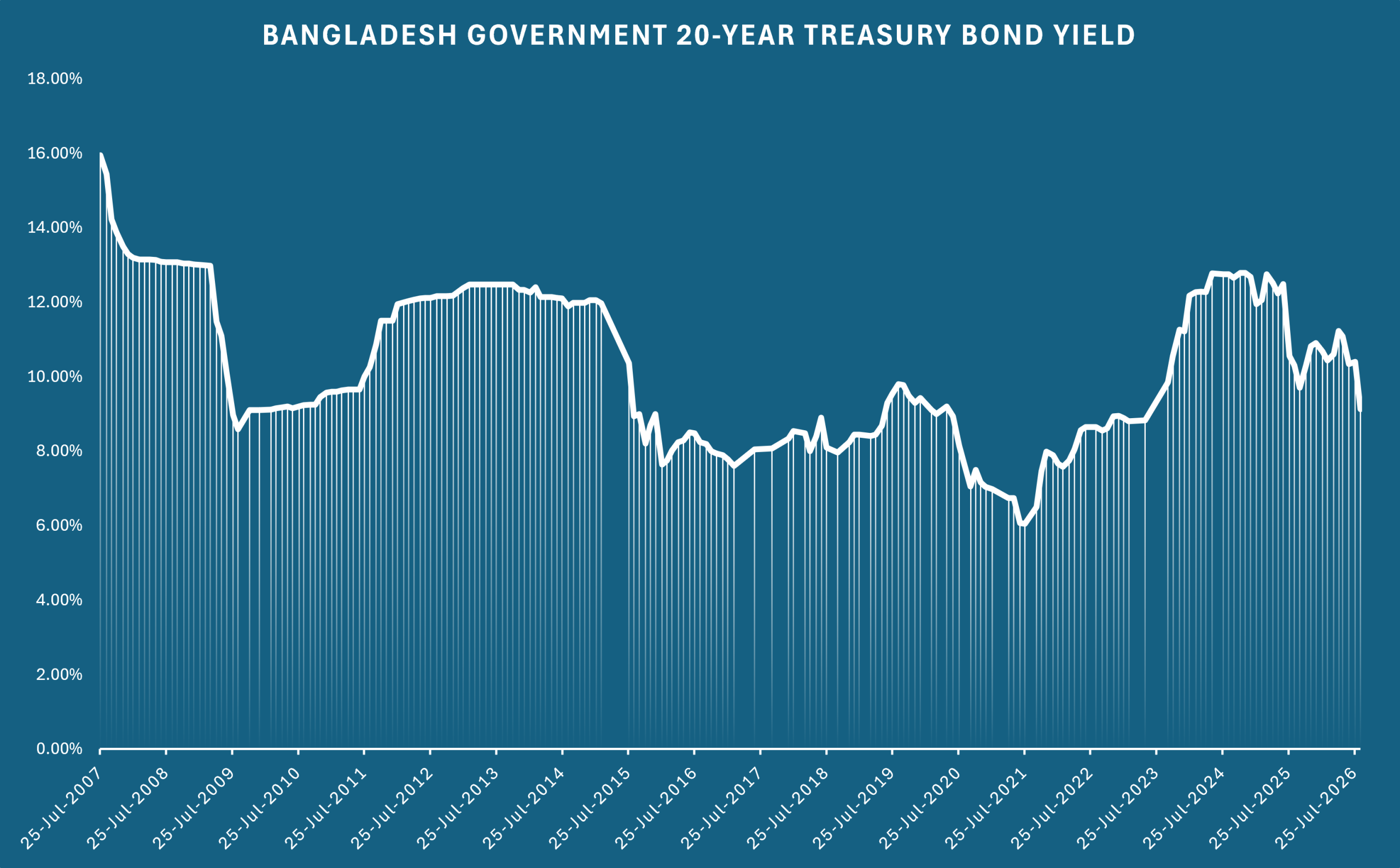
Expanding the bond market and encouraging strong companies to list would help deepen the capital market, he added.
CMJF President Monir Hossain chaired the seminar while General Secretary Ahsan Habib moderated the session.
Speakers said reducing dependence on bank financing and strengthening the capital market would help build a more balanced financial system and support long-term economic growth.