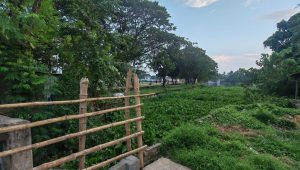
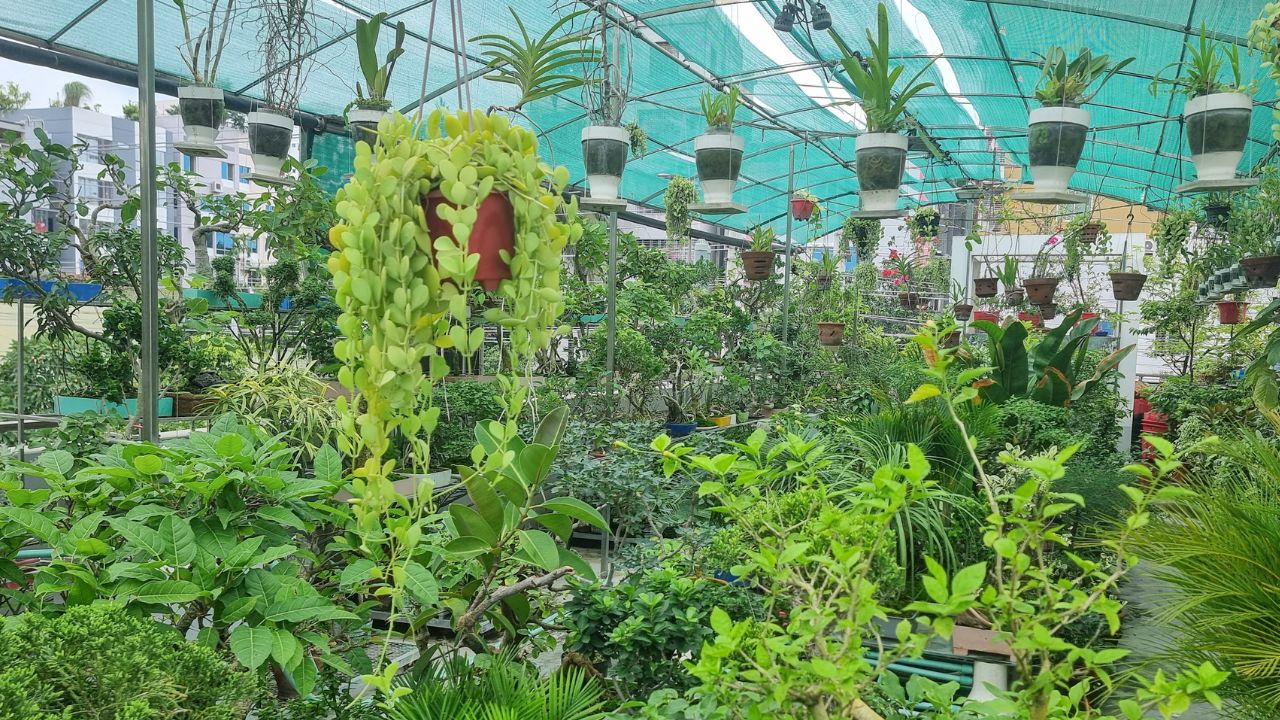
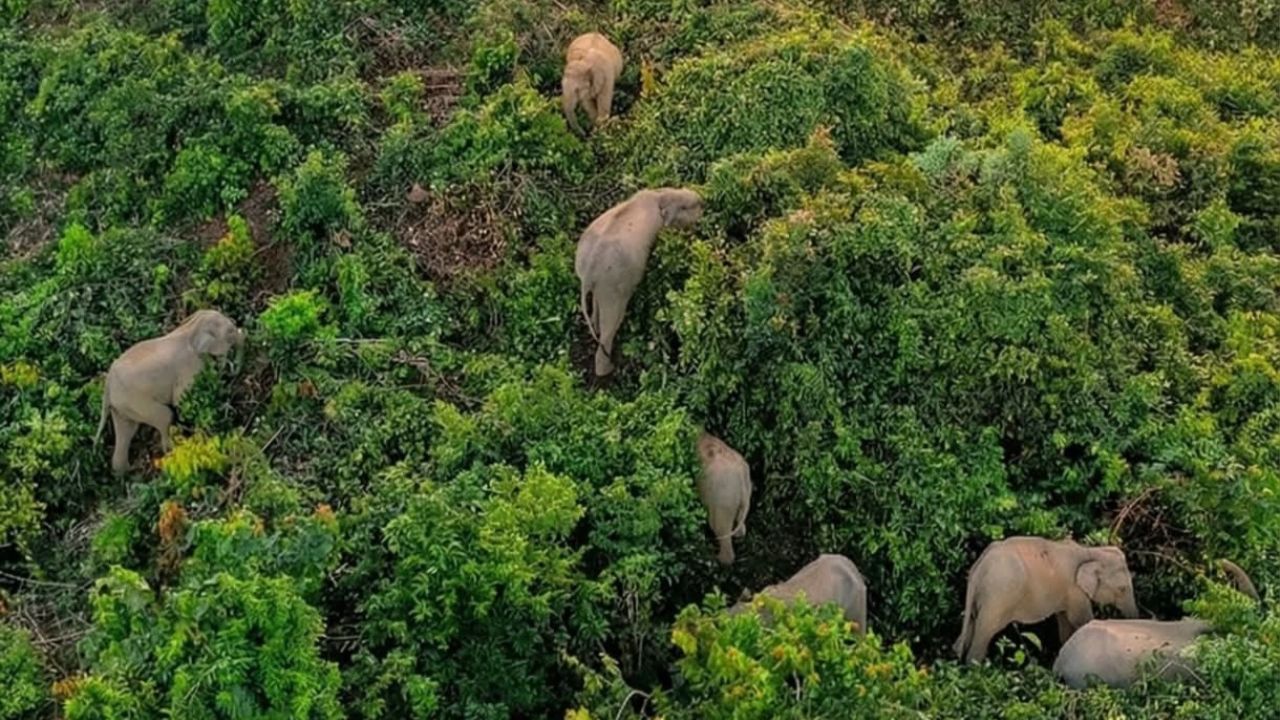
Three European experts in sustainable development have completed a 160-kilometre cycling expedition from Barishal to the Sundarbans to promote nature-positive construction and mangrove conservation.
The journey, which took place from 27 to 30 January, served as a prelude to exploring the world’s largest mangrove forest.
The group comprised Wolf Bierens, a Dutch biologist; Niels van den Berge, an ecologist and former Member of Parliament from the Netherlands; and Raphaël Ascoli, a French architect specialising in bamboo housing.

Bierens and van den Berge lead Easy Housing, a social business providing carbon-neutral homes in Uganda and Kenya, while Ascoli leads Housing NOW, which focuses on sustainable architecture in Myanmar. Despite their varied backgrounds, the trio shared a common goal of building in harmony with nature.
Upon reaching their destination, the group stayed at the WildTeam Conservation Biology Centre, where they transitioned from bicycles to boats to observe the forest’s biodiversity. During the expedition, they spotted saltwater crocodiles, dolphins, monkeys, and a wide variety of birdlife.


“As a biologist, seeing this ecosystem’s resilience firsthand is humbling,” said Wolf Bierens. “It’s a living laboratory for why we must integrate nature into our built environment, not replace it”.
Beyond the ecological survey, the participants experienced local hospitality in nearby villages, including a surprise invitation to a community wedding, which highlighted the link between the forest and its inhabitants.
The experts spent significant time learning from WildTeam, expressing praise for the organisation’s conservation strategies. Niels van den Berge commended the EK Sundarban Museum and Interpretation Centre as a “brilliant tool for awareness” that inspires protection through storytelling.
From an architectural perspective, Raphaël Ascoli noted that the Sundarbans serves as a reminder that modern structures must be as adaptive as mangrove roots. The group reflected on how traditional landscapes can inform eco-friendly design while staying at a local guesthouse.
While the 160-kilometre ride has concluded, the organisers stated that the collaboration between these pioneers is set to continue as they apply the “spirit of the Sundarbans” to their respective projects in East Africa and Southeast Asia.