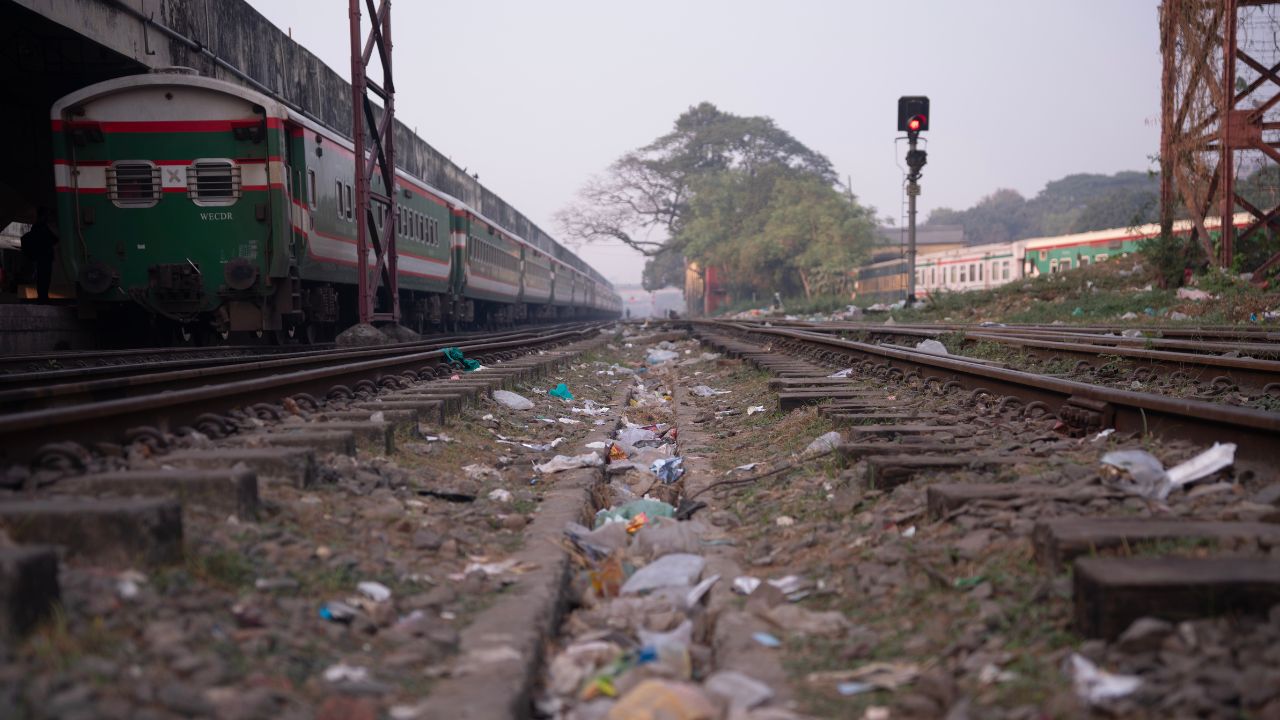



Kamalapur Rail Station is meant to be a gateway. Every day, thousands of people arrive here carrying hopes, fatigue, excitement and return tickets. It is the first and last impression of rail travel for many. Yet between the steel lines that connect the country, another reality lies exposed, piles of waste quietly rotting in plain sight.
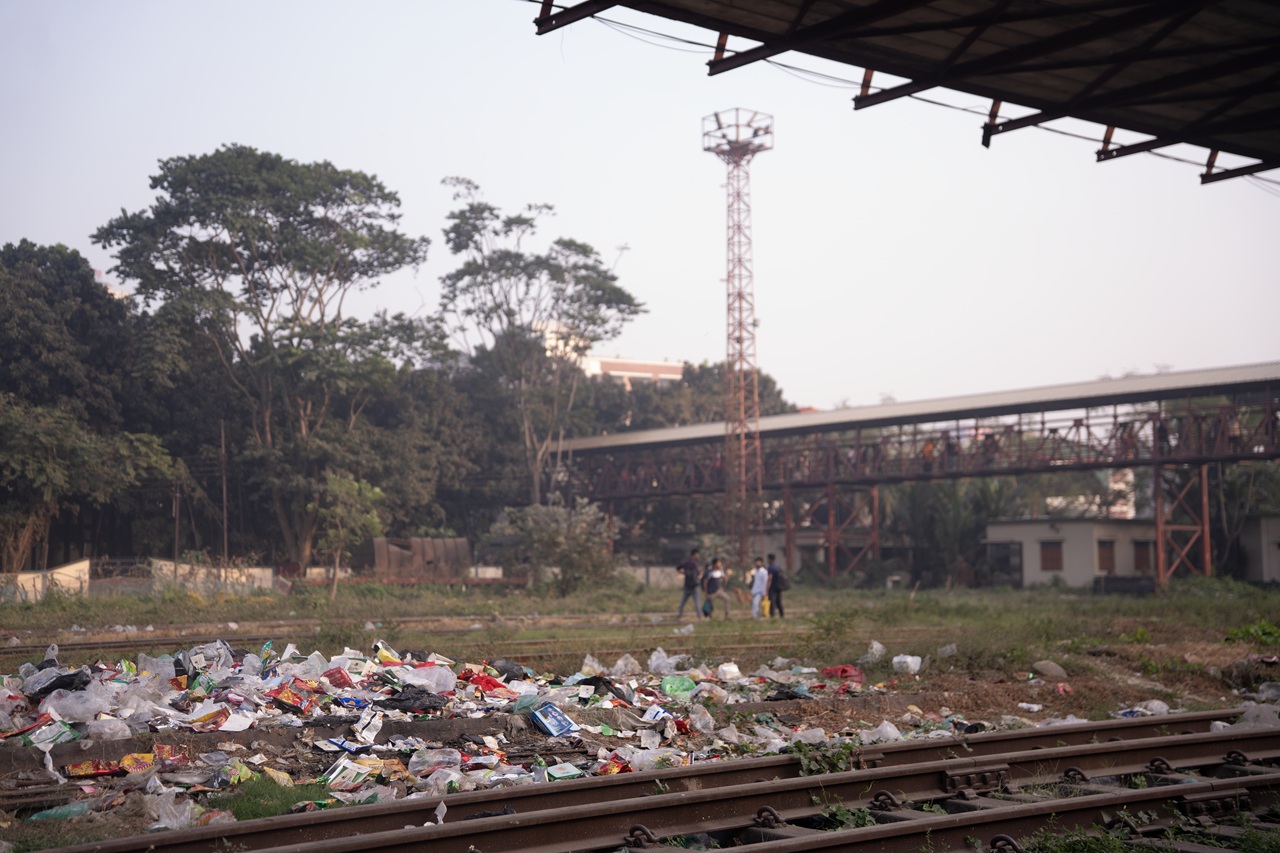
Plastic bottles, food wrappers, polythene bags, discarded clothes and household garbage sit between the tracks as if they belong there. Some are pressed flat by passing trains, others are trapped under sleepers, slowly breaking down into dirt and dust. The smell grows stronger on warm days. When it rains, the waste mixes with water and spreads further along the rails.
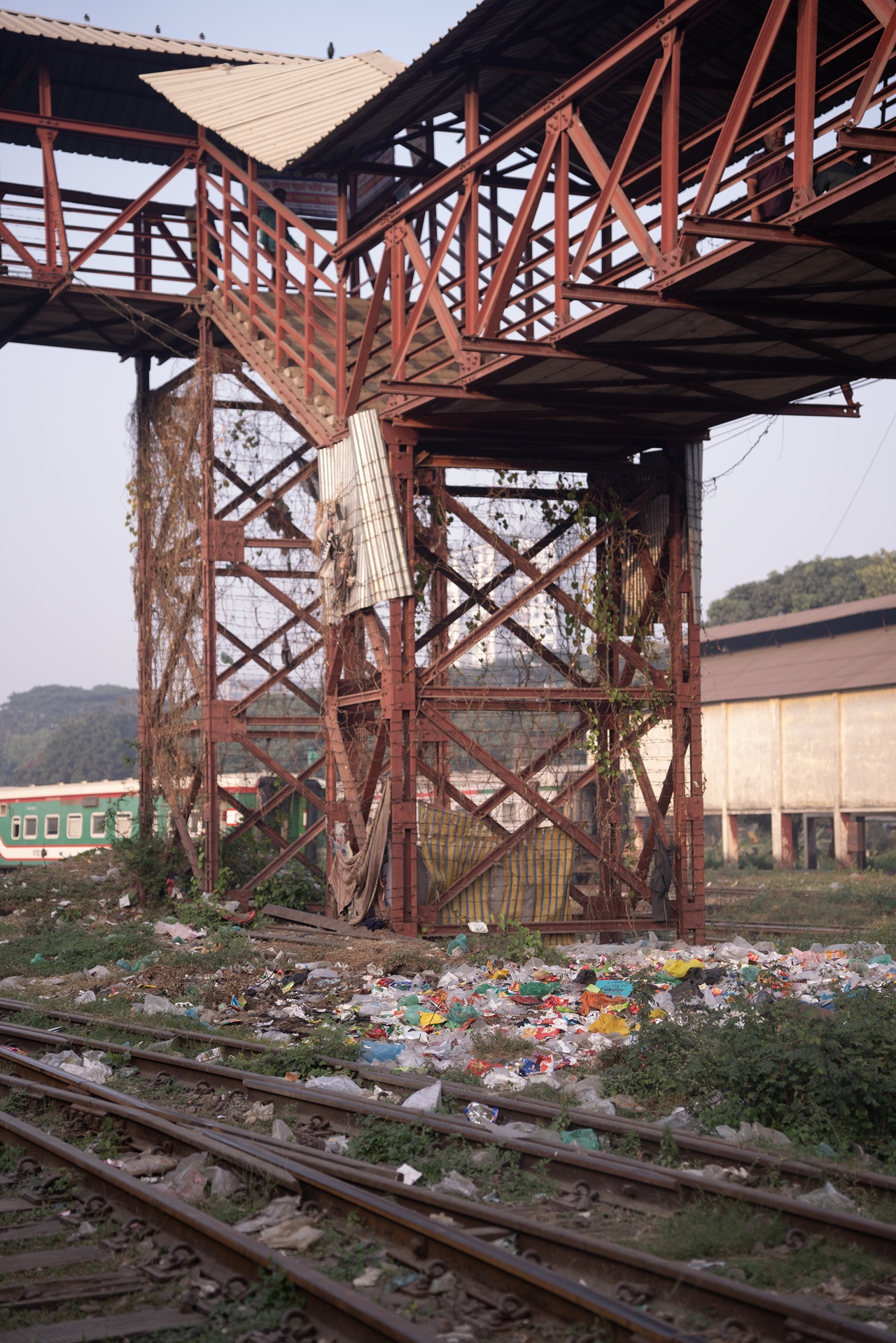
This is not just an issue of cleanliness. It is a sign of deep mismanagement. A major national rail hub should not look like an open dumping ground. The waste tells a story of neglect of cleaning systems that fail, of responsibility passed from one authority to another, of rules that exist only on paper.

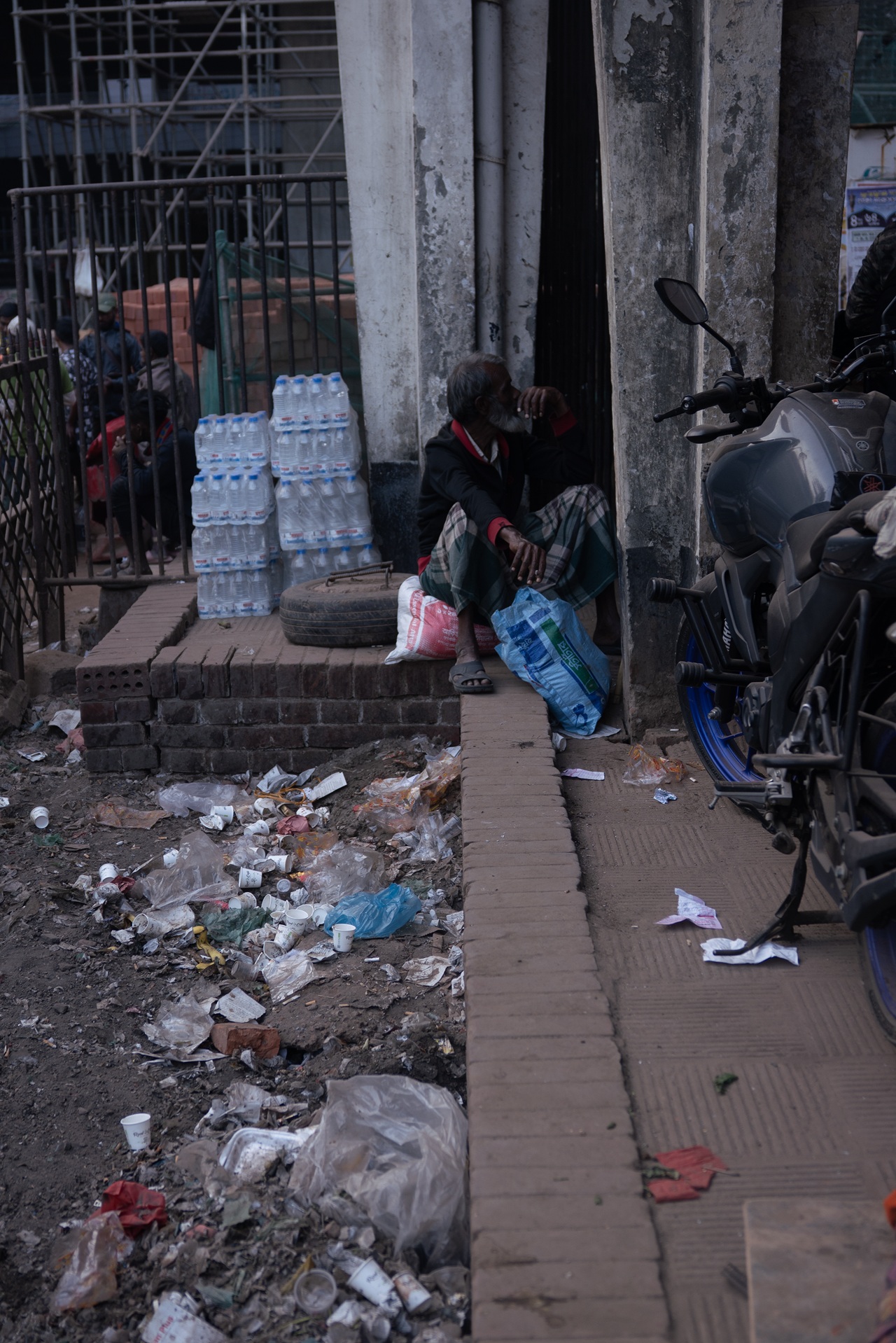
Passengers move through the mess every day. Some cover their noses; others step carefully to avoid slippery patches. Many have grown used to it, and that may be the most alarming part. When neglect becomes normal, it stops provoking action. Vendors and commuters add to the waste, often because bins are scarce or overflowing, and rules are rarely enforced.




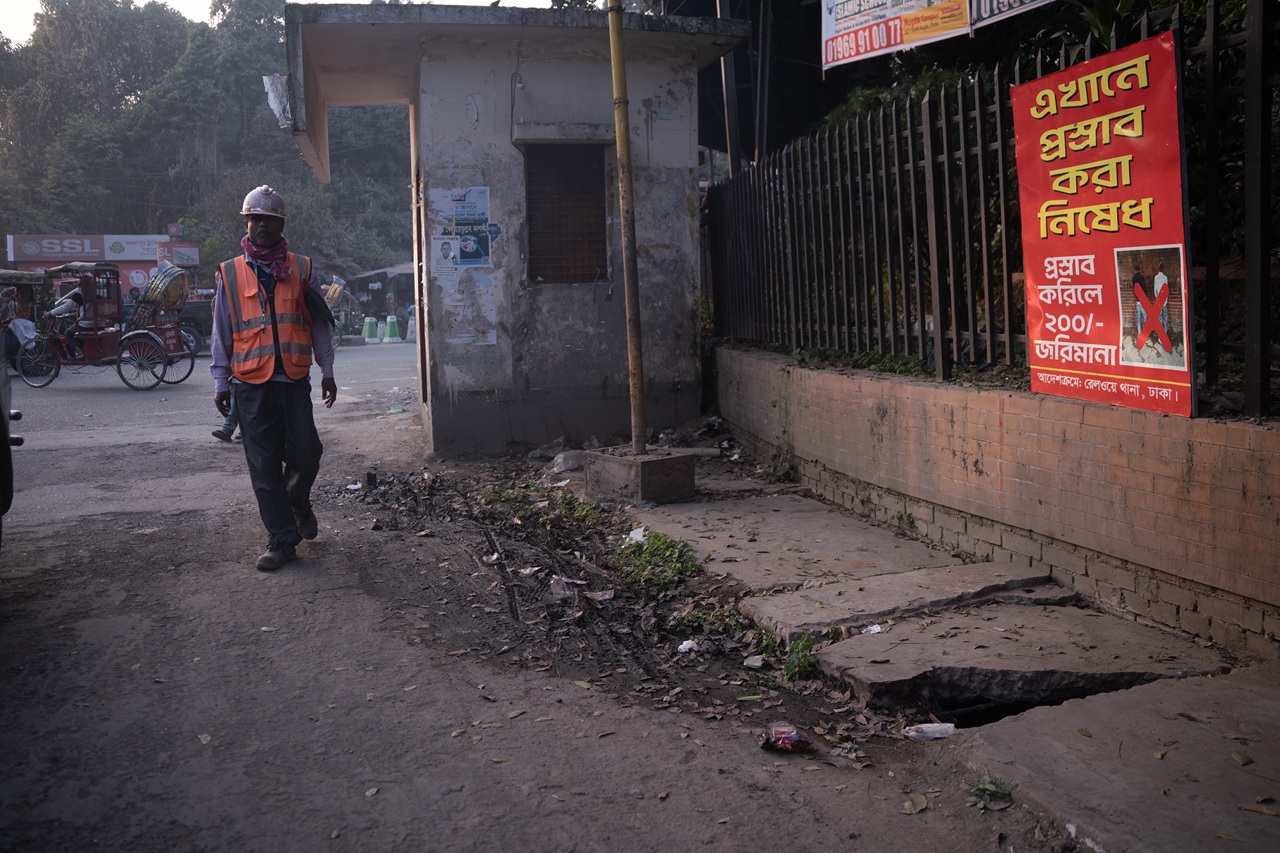
The impact goes beyond appearance. Accumulated waste attracts insects and diseases. It blocks drainage lines, increasing the risk of waterlogging during the monsoon. It also creates safety hazards for maintenance workers who must walk along these tracks to keep trains running.
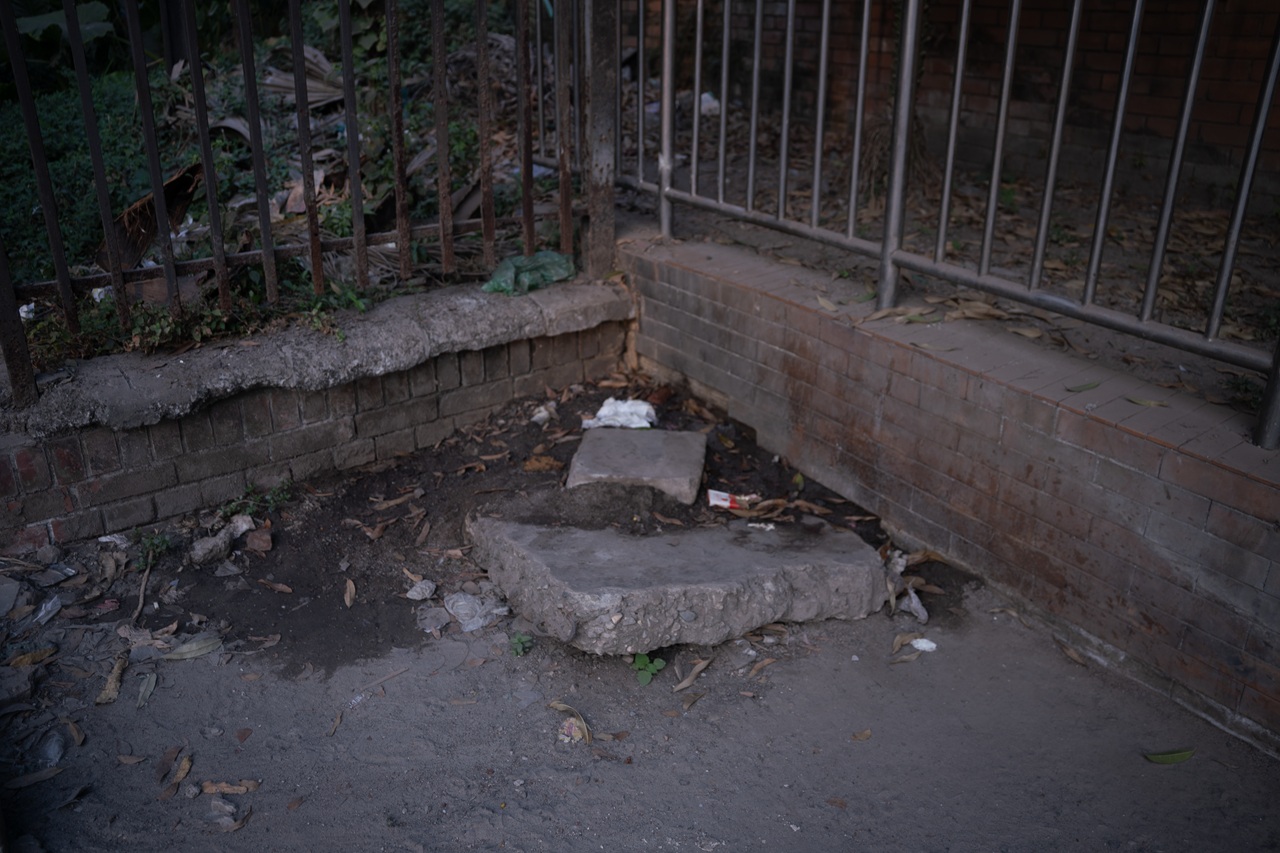
Kamalapur Rail Station deserves dignity. Clean entry points, proper waste management, regular monitoring and public responsibility are basic expectations, not ambitious demands. A station that connects the nation should not be drowning in its own neglect.
Until waste is removed from its tracks and gates, Kamalapur will remain a symbol of how mismanagement can stain even the most important public spaces.