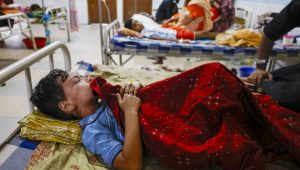
Excessive and indiscriminate antibiotic use in Bangladesh has sharply accelerated antimicrobial resistance (AMR), according to a new national survey by the Institute of Epidemiology, Disease Control and Research (IEDCR).
The study found that 41 per cent of ICU patients are not responding to any available antibiotics, a trend experts warn poses a severe public-health threat.
The findings, released Monday at IEDCR’s Mohakhali headquarters by Director Dr Tahmina Shirin and Chief Scientific Officer Dr Zakir Hossain Habib, are based on surveillance of more than 96,000 patients from July 2024 to June 2025. Samples from five ICUs were tested against 71 antibiotics, and a large share of patients showed resistance to all of them.

Dr Habib said reckless antibiotic consumption is accelerating microbial resistance and urged the public to use these medicines responsibly.




The survey shows that 57 per cent of the country’s antibiotics are consumed in Dhaka, driven by a high concentration of hospitals and patients following Rajshahi, Chattogram, Khulna, Barishal, Rangpur, and Sylhet divisions. High antibiotic use was also found among UTI patients.
The most commonly used antibiotics include ceftriaxone, cefixime, meropenem, ciprofloxacin, azithromycin, amoxicillin, metronidazole, cloxacillin, piperacillin–tazobactam, and vancomycin raising concern about overuse of broad-spectrum drugs.
IEDCR reports that rapidly rising resistance among WHO-priority pathogens, with carbapenem-resistant Enterobacteriaceae (CRE) showing 50–70 per cent resistance in many cases and methicillin-resistant Staphylococcus aureus (MRSA) continuing to increase.
Experts warn that unregulated antibiotic sales, self-medication, misuse in livestock, and weaknesses in the health system are deepening the crisis. Without immediate intervention, they caution, even common infections could become life-threatening in the future.