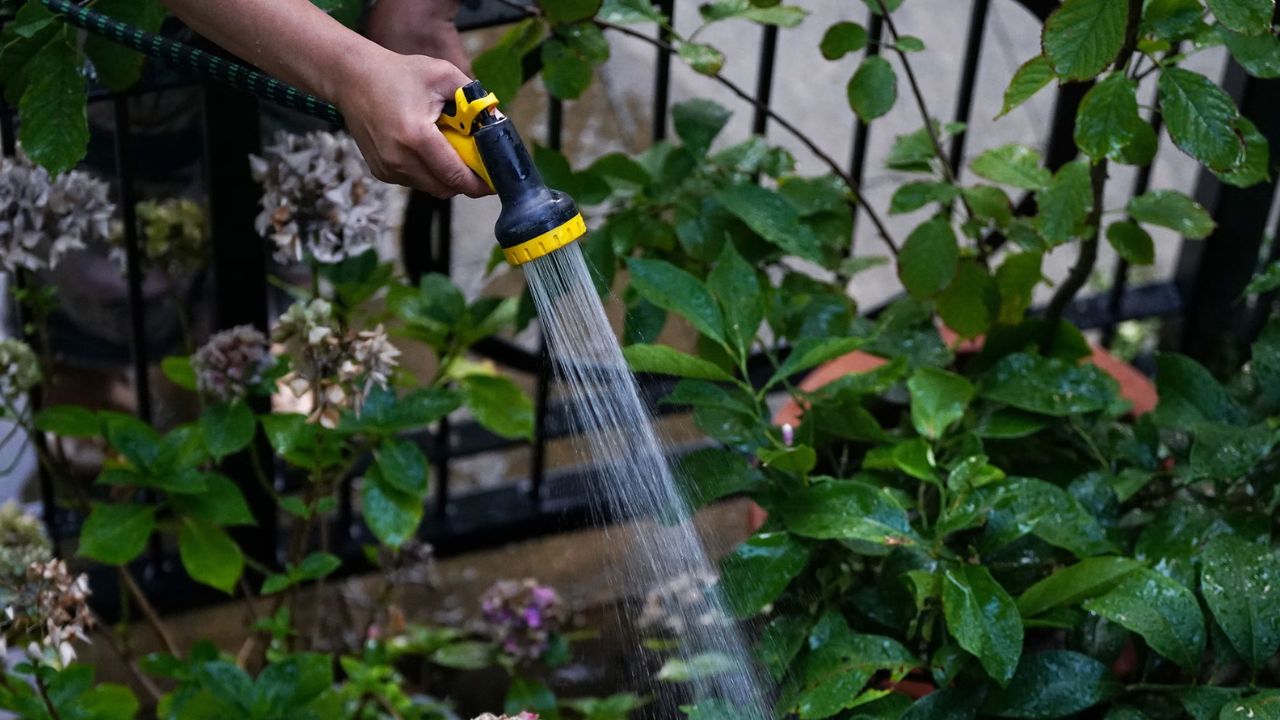



Approximately 23 million residents in England and Wales are set to be under hosepipe prohibitions by the end of the week as the region edges toward official drought status.
Thames Water, which serves over 10 million people across London and the Thames valley, became the latest utility to announce restrictions on Tuesday. While the ban officially commences this Thursday, the company has urged its customers to begin conserving water immediately, reports Guardian.
The move follows a Monday announcement from South East Water, which is extending its existing ban in Kent to cover an additional 2.4 million customers in Sussex, Surrey, Hampshire, and Berkshire starting Saturday.
Five other providers, Affinity Water, Anglian Water, Cambridge Water, Southern Water, and South West Water, have already enacted similar measures.

Supplies have been severely depleted following months of high temperatures, including three unprecedented heatwaves and the driest spring ever recorded in England and Wales.
On Tuesday, the National Drought Group (NDG), comprising government officials, water firms, and meteorologists, confirmed that eight areas are now in the “prolonged dry weather” phase.
These regions include the West Midlands; East Anglia; Devon, Cornwall, and the Isles of Scilly; Lincolnshire and Northamptonshire; Thames; Wessex; Hertfordshire and London; and Solent and the South Downs.



Thames Water revealed that its service area received just 40 per cent of its typical spring rainfall. Simultaneously, water demand rose by 7 per cent in London and 10 per cent in the home counties and Thames valley.
The company noted that the daily demand increase of 100 million litres (22 million gallons) is comparable to adding the entire city of Manchester to its supply network. Nevil Muncaster, the director of strategic resources at Thames Water, stated the ban is a necessary step to safeguard the environment and maintain supplies for all users.
Current data indicates that only 13 per cent of rivers are at normal seasonal levels, while national reservoir storage has dipped to 78.8 per cent, roughly 5 per cent below the long-term average.
Recent findings suggest that these climate extremes are becoming a new normal in the UK due to atmospheric carbon emissions.
The water shortage is also impacting agriculture and public safety. Paul Tompkins, deputy president of National Farmers’ Union, said farmers are working continuously to manage early harvests and livestock care. He warned of a potentially costly and difficult season following extreme weather events in 2024 and 2025.
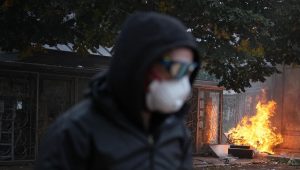
About 53 wildfires have been recorded across the country. Rob Gazzard, a wildfire advisor to the Forestry Commission, explained that the extreme heat has stripped moisture from vegetation and soil, reducing natural fire resistance and making blazes more intense and harder to contain.
While temperatures have moderated recently, the Met Office offers little hope for significant relief. Chief meteorologist Will Lang noted that July has been exceptionally dry, with some areas seeing almost no rain.
Although more unsettled weather may arrive in early August, Lang cautioned that any rainfall is unlikely to be widespread or substantial enough to alleviate the deficit in southern parts of the country.